

Pine Needles vs. Leaves: Choose the Right Gutter Guard for Your Trees and Cut the Cost to Repair a Downspout
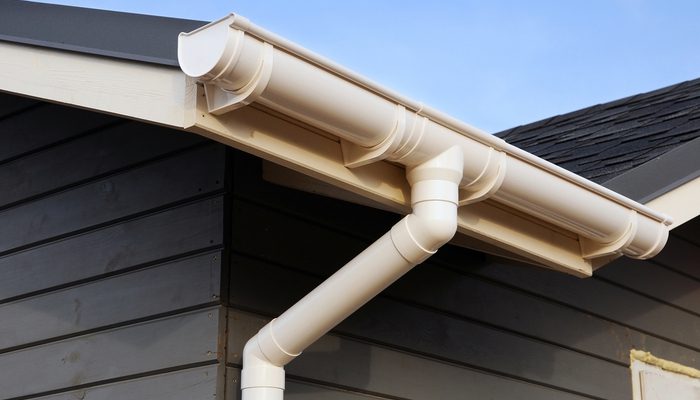
Albany and Upstate NY homeowners live with some of the country’s most dramatic seasonal swings—lush spring growth, a burst of fall color, and long, icy winters. Those same seasons also load your roof and gutters with debris. Whether it’s the fine, stubborn strands of pine needles from the Pine Bush and area evergreens, or dense mats of oak and maple leaves from older, tree-lined neighborhoods, the wrong gutter guard can actually make clogs worse. The right one, however, keeps water moving, safeguards your roof and foundation, and lowers long-term maintenance costs. Learn how the right system lowers the cost to repair a downspout and prevents damage.
If you’re unsure where to start, get clarity from a trusted, local pro. Homeowners across the Capital Region work with Oleg of United Gutters for honest, practical recommendations that fit Albany-area homes, budgets, and tree canopies.
Why Gutter Guards Matter
Gutter guards are more than a convenience product. Installed correctly, they are a structural protection system for your roof, fascia, and foundation. Here’s why they matter in Albany and across Upstate NY:
- Clog prevention: A quality guard keeps small and large debris out so gutters can funnel water away from your home—even during Nor’easters and spring thaws.
- Reduced maintenance costs: Fewer emergency cleanings, fewer ladder trips, and less frequent service calls.
- Ice dam mitigation: Clear, flowing gutters reduce standing water that refreezes at roof edges.
- Preserve property value: Healthy fascia, soffits, siding, and foundations help maintain curb appeal and appraisal value.
- Safety: Less ladder use in wet, icy, or windy conditions common in Upstate winters.
Understand Your Tree Debris Types
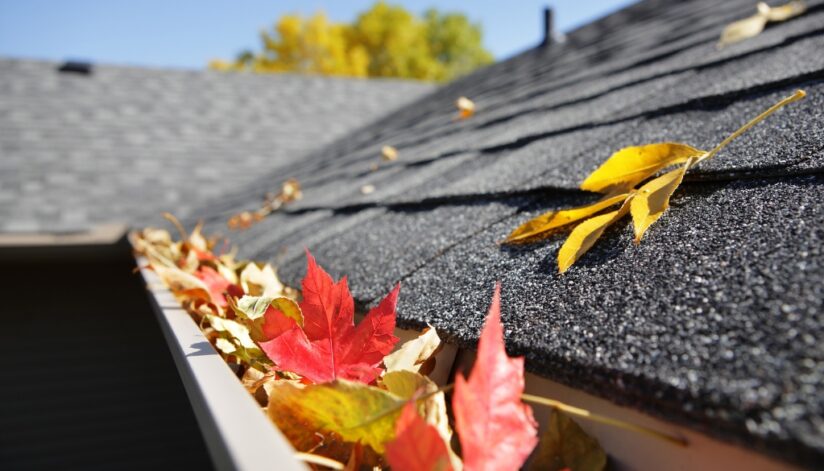
Pine Needles vs. Broadleaf Debris
Pine needles are thin, flexible, and often under 3 inches long. They clump, wick water, and slide into tiny gaps. In gutters, they form dense mats that slip beneath loose covers or through larger mesh. Needles also bridge over downspout inlets, creating stubborn clogs that are hard to flush.
Leaves from oaks, maples, birch, and beech are larger and flatter. They tend to blanket gutters, trap twigs, and break down into sludge over time. While big leaves are easier to block with standard screens, their edges can catch on guard lips and form dams. Once decomposed, the resulting silt can clog even open, unguarded downspouts.
Albany & Upstate NY Tree Trends
- Eastern white pine & spruce corridors: Common near the Albany Pine Bush, Guilderland, Clifton Park, and Saratoga suburbs. Expect year-round needle fall, peak shedding in late summer and fall.
- Mature oak and maple streetscapes: Center Square, Pine Hills, Delmar, and parts of Colonie and Niskayuna host large, older trees. Heavy leaf drop in October–November, plus helicopters (samara) in spring.
- Mixed canopies: Many neighborhoods have both evergreen belts and hardwoods. These homes need a solution that handles both needles and leaves without creating ice dams.
Before choosing a guard, look up and walk your lot line. Identify:
- Dominant tree species within 30–50 feet of the roofline
- Prevailing wind direction (which side of the roof collects debris)
- Downspout locations (are they near concentrated tree cover?)
Gutter Guard Types Compared
Not all guards behave the same way when faced with pine needles or broadleaf debris. Below is an at-a-glance comparison tailored to Albany-area conditions.
| Guard Type | Best For | How It Works | Pros | Cons | Maintenance |
|---|---|---|---|---|---|
| Basic Mesh Screens | Larger leaves, light debris | Perforated or screen panel blocks big debris | Affordable; easy to DIY | Needles and seed pods slip through; screens can collapse under snow | Seasonal brush-off; periodic removal to clear silt |
| Reverse-Curve (Surface-Tension) | Leaves, heavy fall drop | Water follows curve into gutter; debris sheds off edge | Good for big leaves; low visibility from ground | Can overshoot in heavy rain; needles and fine grit may enter; ice buildup possible | Occasional edge cleaning; monitor for overshoot |
| Micro-Mesh (Stainless) | Pine needles, seeds, shingle grit, leaves | Very fine mesh over rigid frame filters small debris | Excellent filtration; resists needles and grit; durable under snow load | Higher upfront cost; requires accurate pitch and install | Brush or rinse the top 1–2x/yr; minimal interior buildup |
| Foam Inserts | Budget leaf control | Porous foam fills gutter cavity | Low cost; easy DIY; immediate improvement | Can trap silt, grow algae/mildew; winter freeze can deform; needles embed | Frequent replacement (2–4 yrs) |
| Hybrid Mesh + Frame (Pro Systems) | Mixed debris canopies | Micro-mesh on a pitched, reinforced frame | High flow; sheds snow; excellent needle and leaf resistance | Pro install recommended; costlier than screens | Annual inspection; light surface cleaning |
Pros/Cons at a Glance
| Scenario | Best Match | Why | Watch Outs |
|---|---|---|---|
| Mostly pine needles | Micro-mesh or hybrid micro-mesh | Blocks needles and shingle grit without clogging | Ensure strong frame to handle snow load and ice |
| Mostly large leaves (oaks/maples) | Reverse-curve or quality perforated mesh | Leaves shed over the edge; mesh stops big debris | Reverse-curve can overshoot in downpours; leaf stems can hang on lips |
| Mixed: leaves + needles + seeds | Professional-grade micro-mesh | Handles both fine and large debris reliably | Needs precise pitch; pro assessment recommended |
Hidden Costs of Poor Gutter Protection

Clogs don’t just lead to water spilling over the edge. In our freeze-thaw climate, the downstream damage escalates quickly:
Infographic: Damage Progression Over Time
- Month 1–3: Clogs form at downspout inlets. Overflow stains siding and soaks soil at the foundation.
- Month 3–6: Water backs up under shingles. Fascia boards wick moisture and begin to rot. Insects find wet wood.
- First Freeze: Standing water becomes ice, expanding seams and loosening fasteners. Ice dams form along eaves.
- Winter: Weight of ice + snow pulls gutters out of pitch, causing leaks at joints and corners.
- Spring Thaw: Meltwater enters walls; peeling paint, interior stains, and mold risk rise. Soil erosion near foundation intensifies.
- Year 2+: Chronic clogs require repeated service calls; sections of gutter or downspout need repair or replacement.
Cost Considerations: Finding Value for Albany Homes
The right guard isn’t the cheapest sticker price—it’s the one that lowers total ownership cost over 5–10 years. For many Albany homes, the biggest recurring expenses are emergency cleanings, fascia repairs, and the cost to repair a downspout damaged by chronic clogs and winter ice.
Typical Local Cost Ranges (Estimates)
- Seasonal gutter cleaning (single-story, average linear footage): $150–$275 per visit; two visits/year is common.
- Basic mesh screens (installed): $4–$7 per linear foot.
- Foam inserts (DIY or installed): $2–$5 per linear foot; replacement every 2–4 years.
- Reverse-curve systems (pro installed): $12–$25 per linear foot.
- Professional micro-mesh (reinforced frame): $8–$16 per linear foot.
- Fascia board replacement (localized): $12–$22 per linear foot.
- Downspout repairs (per section or elbow): varies with material, access, and damage.
Note: These are planning ranges, not quotes. Roof pitch, stories, access, and system brand all affect final pricing.
Five-Year Cost Snapshot (Example Home, 180 LF of Gutter)
| Option | Upfront Cost | Annual Cleaning | 5-Year Extras (Repairs) | 5-Year Total | Notes |
|---|---|---|---|---|---|
| No Guards (2 cleanings/yr) | $0 | $300–$550 | $300–$900 (ice/fascia/downspout) | $1,800–$3,650 | Highest ongoing risk; emergency visits likely |
| Basic Mesh Screens | $720–$1,260 | $150–$300 | $200–$600 | $1,670–$3,360 | Helps with leaves, weaker vs needles and grit |
| Foam Inserts | $360–$900 | $200–$350 | $400–$1,000 (replacement + clog repairs) | $1,960–$3,650 | Lower upfront; higher mid-term replacement costs |
| Reverse-Curve | $2,160–$4,500 | $75–$150 | $200–$600 | $2,935–$5,850 | Good on leaves; watch heavy rain overshoot |
| Pro Micro-Mesh | $1,440–$2,880 | $50–$150 | $100–$400 | $1,990–$3,830 | Best all-around for needles + leaves + grit |
While micro-mesh isn’t always the cheapest upfront, it’s often the most cost-effective for Upstate homes with mixed debris. It minimizes emergencies and lowers the likelihood you’ll be paying the avoidable downstream expenses tied to clogs, including the labor and materials that go into downspout and fascia repairs.
How the Right Guard Reduces the cost to repair a downspout
Downspouts fail in predictable ways after repeated clogs and freeze-thaw cycles. A matched guard system interrupts the failure chain:
- Prevents choke points: Micro-mesh guards stop needles and helicopter seeds from forming plugs at the outlet or first elbow.
- Maintains pitch and flow: When gutters stay clear, they’re less likely to sag under ice. Correct pitch keeps water moving and out of seams.
- Protects joints and fasteners: Less standing water means fewer rusted screws, split seams, and loose brackets.
- Reduces ice weight: Clear gutters drain before freeze-ups, lowering stress on downspout straps and elbows.
Bottom line: A guard that matches your debris reduces clogs at the source, shortens maintenance visits, and helps you avoid repeat repairs on downspout sections and elbows.
Seasonal Considerations: When to Install in Albany
Fall installs capture the immediate benefit of stopping leaf drop; however, scheduling can be tight. Summer installs are ideal for setting your system before hurricane remnants and early fall winds hit—and before winter ice becomes an issue.
- See the full checklist in this summer gutter prep guide for Albany homes to get ahead of storms and leaf season.
- If you have older sections, compare your options with this gutter repair vs. replacement guide for Albany homeowners before adding guards.
Pro tip for Upstate winters: Ensure your guard choice doesn’t create an ice shelf at the roof edge. Systems with rigid frames and proper pitch help shed snow and keep meltwater moving.
DIY vs. Professional Installation
If you’re handy, some guard types are manageable. But for multi-story homes, steep pitches, or needle-heavy canopies, a professional install is safer and more reliable.
DIY Readiness Checklist
- Stable ladder and a spotter
- Comfort working at height and on uneven grade
- Basic sheet-metal skills (cutting, fitting, securing panels)
- Ability to assess and correct gutter pitch
- Willingness to perform seasonal maintenance on your chosen guard
What You Can DIY vs. When to Call a Pro
| Task | DIY-Friendly? | Risks | Pro Advantage |
|---|---|---|---|
| Install basic mesh screens | Yes, on single-story | Poor fit, gaps for needles; snow load collapse | Proper fastening and sealing; better product selection |
| Install foam inserts | Yes | Trapped silt; frequent replacement | Evaluate if short-term fix makes sense at all |
| Install reverse-curve system | Not recommended | Rain overshoot; ice hazards; roof shingle damage | Precise pitch; drip-edge coordination; warranty |
| Install pro micro-mesh | Rarely | Misaligned pitch; leaks; reduced flow | Exact fit to roofline, brackets, and downspout layout |
| Downspout repairs/replacements | Sometimes | Improper slope; leaky joints; unsafe ladder work | Seam sealing; correct hanger spacing; long-term reliability |
Choosing by Debris Type: Practical Scenarios
1) Pine-Dominant Lot (e.g., near Pine Bush)
- Primary concern: Needles and shingle grit entering downspouts.
- Recommended: Professional-grade micro-mesh with rigid frame and correct pitch.
- Maintenance: Light brushing/rinsing top surface 1–2 times per year.
2) Leaf-Dominant Lot (mature oaks/maples)
- Primary concern: Autumn leaf blankets, spring helicopters.
- Recommended: Reverse-curve or high-quality perforated mesh; evaluate roof pitch and rainfall patterns to minimize overshoot.
- Maintenance: Occasional edge cleaning; remove caught stems.
3) Mixed Canopy (common in suburbs)
- Primary concern: A little of everything, year-round.
- Recommended: Professional micro-mesh or hybrid systems designed for fine and large debris.
- Maintenance: Annual inspection; quick surface clean if needed.
Installation Quality Matters as Much as Product
A great guard installed poorly will clog and cause damage. Key install points for Albany homes:
- Correct pitch: Ensures runoff flows into the gutter under heavy rain without overshooting.
- Proper integration with drip edge: Prevents water wicking behind the guard and into fascia.
- Secure fastening: Withstands snow slide and ice expansion.
- Downspout placement: High-debris roof planes should feed to robust downspout runs, not undersized or long horizontal sections.
FAQs
How do I know which trees are causing most gutter debris?
Walk the perimeter after a windy day or rain. Check where debris piles collect on the roof and in the yard. Look for shed patterns: needles accumulate evenly and year-round; leaves pile in big clusters during fall. Also check your gutter corners and downspout inlets—what’s caught there (needles, stems, seed pods, grit) tells you what’s winning the clog war.
Do pine needles cause more clogs than leaves?
Often, yes. Needles slip through larger screens, bind together, and make tight plugs at outlets and elbows. In winter, those plugs freeze solid and can split seams or pop straps. Large leaves are easier to block, but once they decompose, the resulting silt can be just as troublesome if guards aren’t filtering fine debris.
Are there gutter guards that work for both?
Professional-grade micro-mesh systems are designed to handle fine and coarse debris: needles, helicopters, shingle grit, and leaves. For mixed canopies typical of Albany’s suburbs, micro-mesh on a rigid frame with correct pitch is usually the best all-around solution.
What’s the average cost to repair a downspout after clog damage?
Local factors vary, but homeowners commonly see labor and materials grouped by section or elbow. The average cost to repair a downspout depends on access (stories, landscaping), extent of seam separation, and whether straps, elbows, or outlets need replacement. Preventing the clog in the first place with a guard matched to your debris is nearly always cheaper over a 3–5 year horizon.
Conclusion
If your property is dominated by pines, choose a micro-mesh guard to block fine debris and grit. If you’re surrounded by oaks and maples, a reverse-curve or quality perforated guard can work—just confirm rain performance and ice behavior for your roof. For the many Albany homes with a mixed canopy, professional micro-mesh remains the most reliable, cost-effective path to clean gutters, protected fascia, and fewer service calls.
Want an expert eye on your home’s specific mix of trees, roof pitch, and drainage? Schedule a walkthrough with Oleg of United Gutters for tailored, local recommendations that help you avoid clog-related damage and keep your maintenance budget predictable.
Next steps
For the full walkthrough, read Gutter Guards from an Albany NY Gutter Contractor — Oleg’s complete guide for Capital Region homeowners. Ready to book work? Request a free on-site estimate on our Gutter Guards service page, or call (518) 928-4954.
