

Gutter Slope Guide: What to Ask gutter companies near me

When gutters are working correctly, you never notice them. Rain hits the roof, water moves into the troughs, and it quietly flows away from your home. But behind that simple process is a critical detail: gutter slope. If your gutters don’t tilt at the right angle, water stalls, pools, and eventually spills—leading to fascia rot, foundation issues, and winter ice problems common in Albany and across Upstate New York.
Many homeowners focus on gutter size, material, or guards, but overlook slope—the subtle difference-maker that keeps water moving. In this guide, we’ll break down what gutter slope is, how to check it, and why correcting it now saves major repair costs later. We’ll also share how gutter companies near me like United Gutters approaches slope with precision so Albany-area homeowners can trust their system to perform season after season.
What Is Gutter Slope and Why Does It Matter?
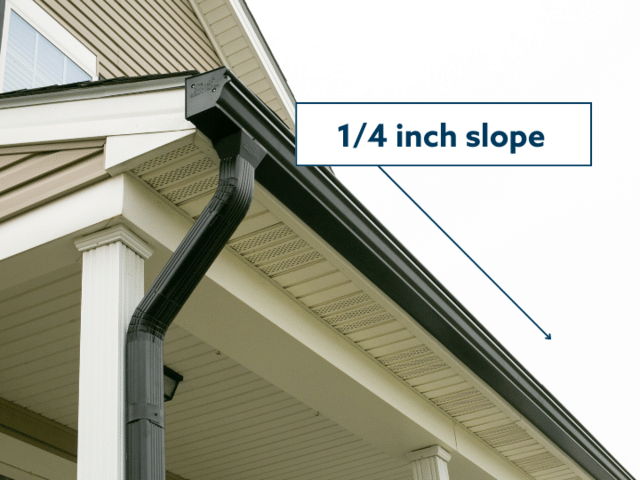
Gutter slope—also called fall or pitch—is the slight angle set along the length of your gutters so water flows toward the downspouts. Without adequate slope, water sits in the trough instead of draining. Too much slope, and water can rush past downspouts, splash, and create noise and wear.
Industry best practice for residential systems is typically about 1/4 inch of drop for every 10 feet of gutter run. That’s just enough to keep water moving without calling attention to itself aesthetically.
How Slope Works: A Simple Visual
  High end          Slight drop            Downspout
  |-------------------\---------------------->
  |                    \    Water flows this way
  |                     \
  |______________________\______________________
  0" drop                 1/4" per 10'             1" drop over 40'
Even a small deviation—an extra 1/4 inch in the wrong direction—can create a low spot where water stands. Over time, that standing water becomes a magnet for debris, pests, and ice.
Problems Caused by Incorrect Gutter Slope
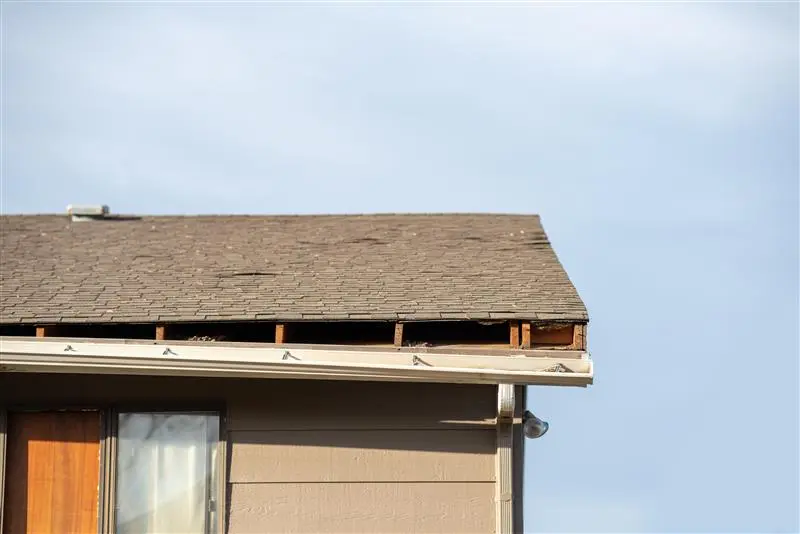
Standing Water
Pooling in low sections is the first red flag. You may notice water lines, algae, or sludge left after storms. Standing water accelerates metal corrosion, adds weight that can pull fasteners out, and breeds mosquitoes in warmer months.
Overflowing Gutters
When water can’t move efficiently, it backs up and spills over the front of the gutter—staining siding, saturating flowerbeds, and eroding soil. During heavy rains common in spring and fall, even properly sized gutters can overflow if slope is wrong.
Damage to Fascia and Siding
Chronic overflow and standing water soak the fascia board behind the gutter. Wood rot, peeling paint, and mold can follow. Once fascia is compromised, gutters loosen, making slope errors worse—a costly cycle.
Ice Dams and Winter Hazards in Upstate NY
In Albany’s freeze-thaw cycles, water that lingers in gutters freezes into heavy blocks and icicles. Incorrect slope contributes to this by letting water sit long enough to freeze. Ice dams can push meltwater under shingles, creating leaks and insulation damage.
Correct vs. Incorrect Gutter Slope at a Glance
| Feature | Correct Slope (✓) | Incorrect Slope (✗) |
|---|---|---|
| Water Movement | Consistent flow to downspout ✓ | Slow or stalled water ✗ |
| Debris Behavior | Debris carried along or captured by guards ✓ | Debris settles in low spots and clogs ✗ |
| Overflow Risk | Minimal during typical storms ✓ | Frequent spillover during rains ✗ |
| Structural Stress | Even load on hangers ✓ | Excess weight in pooled sections ✗ |
| Winter Performance | Less ice formation, fewer icicles ✓ | Ice dams and heavy icicles more likely ✗ |
| Appearance | Straight lines with subtle fall ✓ | Noticeable sags or uneven lines ✗ |
How to Measure Gutter Slope
You don’t need specialized tools to get a quick read on your slope. With safety in mind, you can spot many problems in minutes.
DIY Steps for Checking
- Safety first. Use a sturdy ladder on stable ground. Have a spotter if possible. Avoid climbing in wet, icy, or windy conditions.
- Visual check. Stand back from the house and sight along the bottom edge of the gutter. Look for sags, dips, or sections that appear level or bowed.
- Water test. With a hose, run water into the gutter near the high end. Watch how quickly it reaches the downspout. Note any pooling or slow spots.
- Measure drop. For a more precise check, place a 10-foot level inside the gutter; if you don’t have a 10-foot level, use a string line and a standard level. Aim for roughly 1/4 inch of drop per 10 feet toward the downspout.
- Check hangers and spikes. Loose or spaced-too-far hangers can create dips that negate proper slope.
- Inspect downspout entry. Ensure the end of the gutter near the downspout is slightly lower and that the outlet isn’t obstructed.
When to Call a Pro
Call a professional if any of these apply:
- You see multiple low spots or long runs with no visible drop.
- Your gutters were recently installed yet still overflow.
- You have tall, steep, or hard-to-access sections of roofline.
- You notice recurring ice problems each winter.
A seasoned installer can rehang sections, add or adjust downspouts, and verify slope with levels and laser tools. If you’re ready for expert eyes, consider reaching out to trusted gutter companies near me for a slope assessment and tune-up.
Cost of Fixing Gutter Slope vs. Long-Term Damage
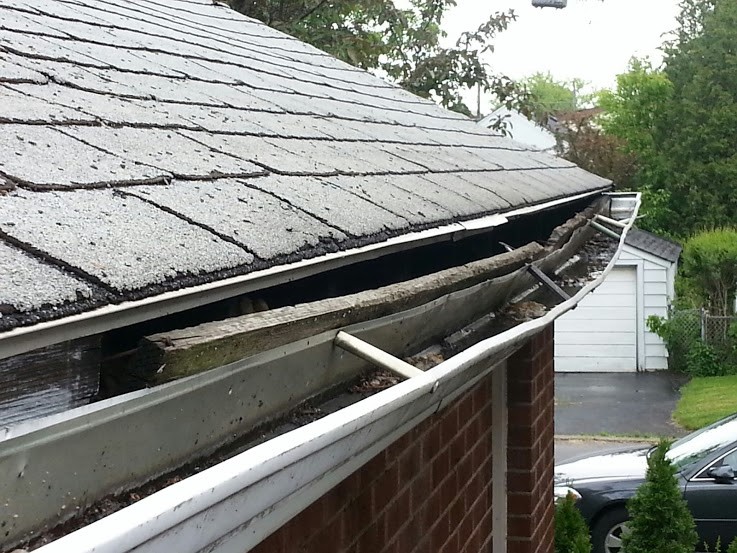
Adjusting slope is usually far less expensive than repairing damage from chronic water mismanagement. Here’s a high-level comparison to help you plan proactively.
| Item | Typical Cost Range (Albany/Upstate NY) | Notes |
|---|---|---|
| Gutter re-pitch (per run) | $150–$450 | Adjust hangers, realign slopes; depends on length/height |
| Replace hangers/spikes | $5–$15 each installed | Spacing improvements reduce future sag |
| Downspout reposition/addition | $150–$300 each | Shorter runs drain better with more outlets |
| Fascia repair (per 10 ft) | $200–$500 | Rot from overflow/standing water increases costs |
| Soffit/siding repairs | $300–$1,500+ | Water staining, mold, or wood damage |
| Ice dam remediation | $400–$1,200 per event | Emergency steaming/removal plus potential interior repairs |
| Foundation/drainage fixes | $1,000–$7,500+ | From grading to French drains if water pools near home |
Takeaway: Re-pitching gutters is one of the most cost-effective water management upgrades you can make. It helps avoid thousands in structural and cosmetic repairs.
Seasonal Gutter Concerns in Albany
Albany and Upstate NY experience dramatic seasonal shifts: spring rains, summer storms, leaf-heavy autumns, and icy winters. Each season puts pressure on gutter slope in different ways.
- Spring: Heavy rain tests flow capacity. Any flat or reverse-slope sections will overflow quickly.
- Summer: Intense downpours overwhelm poorly sloped sections; long dry spells can harden debris in low spots.
- Fall: Leaves and twigs accumulate, especially in sags. That added weight can deform slope further.
- Winter: Standing water freezes, forming ice dams and icicles. Freeze-thaw cycles loosen fasteners and create new dips.
If you’re planning a replacement or a significant upgrade, this guide to gutter installation in Upstate NY walks through materials, profiles, and sizing that pair well with proper slope design. And as you prep for colder weather, refer to this practical resource: fall prep from a Latham NY gutter contractor to get ahead of clogs and ice before temperatures drop.
When Hiring gutter companies near me Makes All the Difference
Correcting slope can be deceptively complex. A professional doesn’t just “tilt the gutter” and move on. They consider roofline geometry, gutter length, hanger type, thermal expansion, downspout placement, nearby landscaping, and even your home’s exposure to wind-driven rain.
What top installers do that DIY often misses:
- Measure and set consistent incremental drop across long runs, sometimes splitting runs to multiple downspouts for best performance.
- Use continuous hidden hangers at proper spacing (often every 24–36 inches) and reinforce high-stress areas near corners and outlets.
- Account for fascia irregularities and shingle overhangs that can visually mask slope errors.
- Verify pitch under flow, not just with levels—hosing down sections to observe real-life performance.
How Oleg Ensures Proper Water Flow
Oleg is known locally for a straightforward, methodical approach that prioritizes long-term performance over quick fixes.
Precision Slope Measuring
- Baseline assessment: He begins with a full perimeter review to map current high and low points, looking for subtle variations that cause pooling.
- Laser/level verification: Long runs get measured with extended levels and laser tools to set consistent 1/4 inch per 10-foot drop, adjusted for unique site conditions.
- Functional flow test: After adjustments, sections are water-tested to ensure real-world performance matches measurements.
Honest Inspections and Ongoing Maintenance
- Transparent findings: You’ll see photos and notes highlighting where slope was off and how it was corrected.
- Proactive add-ons: When slope alone won’t solve storm overflow, he’ll recommend strategic downspout additions, diverters, or splash blocks.
- Seasonal tune-ups: Small hanger adjustments and debris removal before winter can prevent big problems later.
Infographic: Do You Have Proper Gutter Slope?
Use this quick flow to evaluate your situation. Follow the Yes/No path.
- After a rain, do you see standing water in any gutter section?
— Yes: You likely have a low spot or reverse slope. Go to Step 4.
— No: Go to Step 2. - Do your gutters overflow during normal storms (not just extreme downpours)?
— Yes: Check for clogs first; if clear, slope may be insufficient. Go to Step 4.
— No: Go to Step 3. - In winter, do icicles form consistently along certain stretches?
— Yes: This often indicates lingering water; slope or insulation/ventilation issues may be present. Go to Step 4.
— No: Slope is likely adequate; continue with seasonal maintenance. - Perform a hose test from the high end. Does water move swiftly to the downspout without lingering?
— Yes: The issue may be capacity or clogged outlets; consider adding a downspout or larger outlets.
— No: Slope needs adjustment on the affected section(s). Consider calling pros.
FAQ: Gutter Slope, Pitch, and Practical Fixes
What is the ideal gutter slope?
For most homes, plan about 1/4 inch of drop for every 10 feet of gutter toward each downspout. Very long runs are often split to two downspouts (one at each end) to maintain a manageable slope while preserving aesthetics.
Is slope the same as pitch?
Yes—contractors often use “slope” and “pitch” interchangeably for gutters. Both describe the angle that moves water toward the outlet.
Can I adjust gutter slope myself?
Small sections can be DIY-adjusted by loosening hangers, resetting elevation, and retightening to create the proper fall. However, working at height is risky, and long runs can be tricky to set perfectly. If you see repeated pooling or multiple problem areas, it’s wise to bring in a pro.
How do I know if I need additional downspouts?
If a long run drains slowly even with proper slope, or if overflow occurs during average storms, adding a downspout or enlarging outlets can help. A professional will calculate square footage of roof area feeding each downspout to size the system correctly.
What if my fascia is not straight?
Uneven fascia is common, especially on older homes. Installers compensate with shims, careful hanger placement, and sometimes custom brackets to maintain a consistent slope despite wavy boards.
Will gutter guards solve slope problems?
Guards reduce debris, but they don’t fix poor slope. In fact, guards installed on sags can mask underlying issues. Always correct slope first, then add guards if desired.
How often should slope be checked?
Do a visual check every spring and fall. After major storms or any ladder work on the roofline, recheck. If you notice new sags or changes in performance, evaluate right away.
Homeowner Checklist: Spot Gutter Slope Issues Early
Use this quick checklist each season. If you check three or more boxes, your slope likely needs attention.
- I notice water lines or algae in sections of my gutters.
- Gutters overflow in average rain, not just heavy storms.
- Downspout areas are dry after rain, but mid-runs look wet.
- Icicles consistently form along certain stretches in winter.
- I can see dips or waves when I sight along the gutter from the ground.
- Hangers/spikes look loose, missing, or pulled out.
- Water pools near the foundation after storms.
- I hear dripping or gurgling long after rainfall has ended.
Maintenance Tips to Protect Proper Slope
- Clean twice a year (late spring and late fall), or more often if you have heavy tree cover.
- During cleaning, gently check hanger tightness and spacing; add or replace as needed.
- Use downspout strainers or outlet guards to prevent clogs at critical choke points.
- Add splash blocks or extensions so water exits at least 4–6 feet from the foundation.
- After any roof work, verify gutters weren’t disturbed and pitch remains consistent.
Real-World Scenarios: How Slope Issues Show Up
The “Perfectly Clean But Still Overflowing” Case
You’ve cleaned the gutters thoroughly, but overflow persists in a specific corner. With a hose test, water pools 15 feet away from the downspout before spilling over. Diagnosis: a subtle reverse slope caused by a slightly dropped hanger mid-run. Solution: re-pitch that section and add a hanger to stabilize the line.
The “Winter Icicle Farm” Problem
Every winter, large icicles form along the north-facing side of the house. Gutters are clean, but water remains after thaw cycles. Diagnosis: minimal slope combined with shaded exposure. Solution: increase slope by 1/4 inch over that 20-foot run and confirm attic ventilation/insulation to reduce meltwater volume.
The “Landscaping Erosion” Mystery
Mulch and soil wash out under a particular eave after moderate storms. The gutter looks straight to the eye, but water shoots past the downspout. Diagnosis: too much slope, causing fast flow to bypass the outlet. Solution: slightly reduce pitch and enlarge the outlet or reposition the downspout to meet the flow path.
Planning a Slope Correction: What to Expect
- Inspection and measurement: Identify problem runs, map current slopes, and confirm downspout capacity.
- Adjustment plan: Decide whether to rehang, add hangers, or split runs to additional downspouts.
- Execution: Carefully reset hangers, verify alignment, and test under water flow.
- Final review: Document before/after and provide maintenance recommendations.
If you want a second opinion or need help deciding on the right approach, consult experienced gutter companies near me who can evaluate your roofline and local weather patterns.
Wrap-Up: Protect Your Home by Getting Slope Right
Gutter slope is easy to overlook but critical to how your system performs. The right pitch prevents standing water, cuts down on clogs, reduces overflow and fascia damage, and helps minimize ice problems during Upstate winters. A seasonal check plus a targeted tune-up can save thousands in avoidable repairs.
For homeowners who want it done right the first time, schedule an expert assessment with United Gutters. Get clarity on your current slope, understand your options, and take confident steps toward a gutter system that quietly protects your home through every season.
For homeowners in the Capital Region weighing the same decision on their own house, our gutter installation in Albany, NY page covers the details from the practical side.
