

Safe Gutter Cleaning for Albany Homes: Biodegradable Cleaners vs. Bleach With a Trusted Gutter Cleaning Service
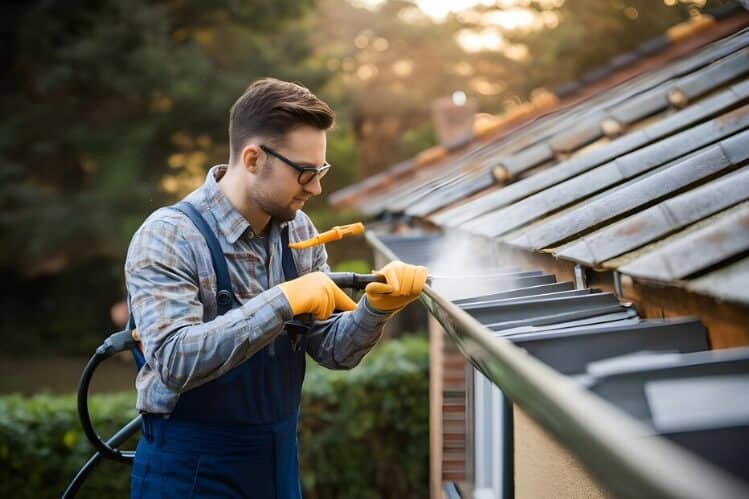
Your gutters protect your home from water damage. They move roof runoff away from your foundation, siding, and landscaping. When gutters clog or grow mildew and algae, they overflow and strain your roofline. That can lead to leaks, fascia rot, and basement moisture. Regular cleaning protects your investment and keeps your property safe.
Choosing the right cleaner matters for your home and family. Some products strip stains fast but can harm metal finishes, plants, and pets. Others clean effectively while keeping risks low. This guide explains how to clean safely, compares biodegradable cleaners with bleach, and outlines steps that Albany and Upstate NY homeowners can use with confidence. When you want expert help, Oleg of United Gutters brings proven methods and safe products to every job.
If you plan to DIY, you still benefit from professional standards. Use a simple plan, the right tools, and safe chemistry. If you prefer professional help, choose a gutter cleaning service that documents its process and uses products that protect your home.
The Role of Gutters
Gutters are part of your home’s drainage system. When clean and aligned, they limit water risk across several areas:
- Flood prevention: Gutters keep water off walkways and away from your foundation. That reduces basement moisture and slab heaving.
- Siding protection: Controlled water flow prevents streaking, paint failure, and premature siding wear.
- Roof health: Clear gutters keep water from backing up under shingles. That reduces ice dam risk and fascia rot.
Homes in Albany and Upstate NY see freeze-thaw cycles, wind-blown leaves, pine needles, and roof grit. That mix clogs gutters and downspouts. Regular cleaning and proper chemistry reduce those loads and extend gutter life.
Why Safe Cleaning Matters
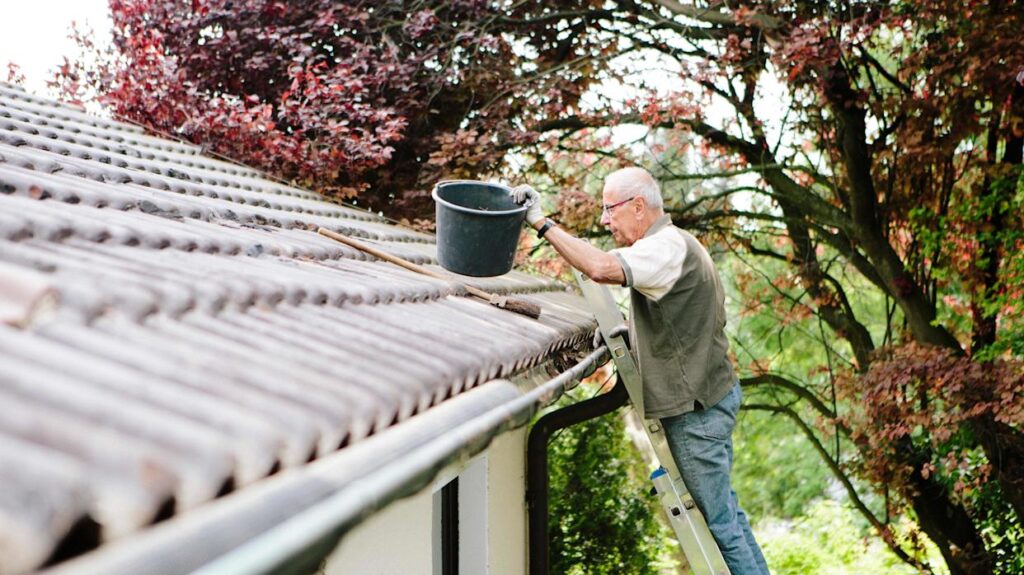
Impact on Landscaping
Runoff from harsh chemicals can burn lawn edges and shrubs. Acidic or highly alkaline splashes damage plant cells. Bleach can cause leaf whitening and root stress. Biodegradable products break down quickly and are formulated to reduce harm when used as directed.
Risks to Children and Pets
Kids and pets explore yards and patios. Residue from strong oxidizers can irritate skin, eyes, and paws. Fumes can trigger coughing. Safer products lower the chance of a reaction. Rinse zones well. Keep children and pets inside until surfaces dry.
Material Lifespan of Gutters
Bleach can dull anodized aluminum, stain coated steel, and dry out seals. It can pit some fasteners and reduce the life of paint on hangers. Biodegradable cleaners, used at the right dilution, protect finishes and sealants. Gentle chemistry preserves coatings and keeps gutters looking clean longer.
Comparison Table: Biodegradable Cleaners vs. Bleach
| Category | Biodegradable Cleaners | Bleach |
|---|---|---|
| Cost | Moderate. Concentrates dilute to many gallons. Cost per clean is reasonable. | Low upfront. Can seem cheaper per gallon. Hidden costs if it damages plants or finishes. |
| Safety | Low irritation when used as directed. Safer for plants, pets, and skin. | High irritation. Can burn skin and eyes. Fumes and splash risk. |
| Effectiveness | Strong on organic grime, algae, pollen, and dirt. May need dwell time and light brushing. | Fast stain removal on mildew and algae. Can strip color and etch coatings. |
| Environmental impact | Formulated to break down quickly. Lower runoff risk. | Can harm soil biology and nearby plants. Risk to storm drains if misused. |
| Ease of use | Stable foaming and longer dwell time. Clear labels for dilution. | Works fast but needs strict safety procedures and careful rinsing. |
Why a gutter cleaning service Should Avoid Using Bleach
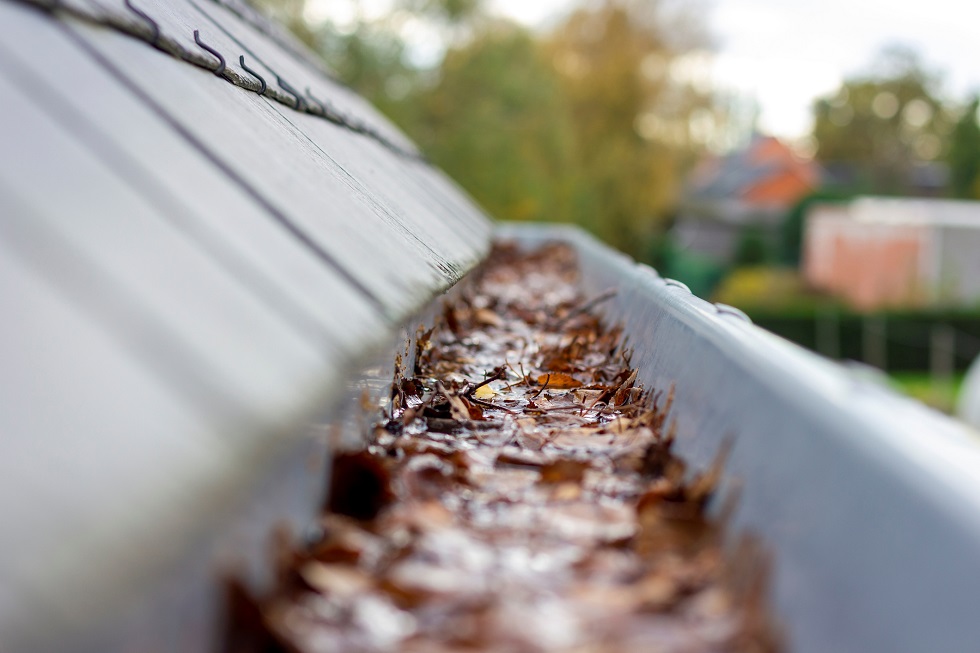
Bleach is a strong oxidizer. It can react with metals, sealants, and paints. While it kills mildew and brightens surfaces, the collateral damage can outweigh any benefit.
- Coating damage: Repeated bleach exposure wears the factory finish on aluminum and steel gutters.
- Seal failure: Splash or over-spray can degrade sealants at seams and end caps. That causes leaks.
- Hardware corrosion: Some fasteners and hangers corrode faster in high-alkaline conditions.
- Plant injury: Downstream rinse water can spot or burn leaves and flowers.
- Safety risk: Fumes and splashes increase risk for homeowners and workers.
Professional cleaners build systems that reduce risk. They select cleaners that lift organic growth without harsh oxidation. They use low-pressure rinsing. They protect landscaping and siding. That is what you should expect from any gutter cleaning service you hire.
FAQs
What cleaners are safest for pets?
Choose biodegradable, plant-based cleaners that are labeled as pet safe when used as directed. Look for products free of chlorine bleach and ammonia. Keep pets indoors during cleaning. Rinse work areas and let them dry before letting pets back outside. Store all concentrates out of reach. Do not mix cleaners.
How often should you clean gutters in Albany?
Plan on twice per year for most homes. Target late spring after pollen drop and late fall after leaf fall. If your roof has heavy pine needles, clean quarterly. If you see overflow, sagging, or staining, do not wait. Review common warning signs here: 7 critical signs your gutters need immediate repairs and learn when to call a specialist here: signs you need a gutter repair contractor.
Can bleach harm metal gutters?
Yes. Prolonged or repeated bleach use can dull finishes, cause spotting, and weaken sealants at joints. It can also contribute to corrosion on certain metals and fasteners. Avoid bleach on coated aluminum and galvanized steel. Use a biodegradable cleaner and a soft brush instead.
Case Study: Safe Cleaning That Protected an Albany Landscape
Problem: A two-story Colonial in Albany had overflowing gutters at the back patio. The homeowner reported algae stains on the outer gutter lip and streaks on the fascia. A previous attempt used household bleach, which left faded spots on nearby shrubs and visible streaking on the gutter finish.
Assessment: Oleg inspected the system from the ladder and ground. He documented debris load, gutter pitch, and downspout flow. He noted fragile plantings below the eaves. He found hairline leaks at two end caps and grit buildup from the roof shingles.
Plan: Oleg selected a professional-grade biodegradable cleaner designed for organic growth. He mixed it at the manufacturer’s recommended dilution for gutters and soffits. He set plant protection with a light pre-rinse of shrubs and laid breathable covers over sensitive plant beds. He used a soft-bristle brush for the outer gutter face and a scoop for internal debris. He flushed downspouts with a low-pressure hose and verified flow at the base. He sealed the two end caps with compatible gutter sealant and cleaned up all wash water.
Outcome: The algae lifted without damage to the finish. The shrubs showed no spotting. The seams stopped leaking. The homeowner received a simple care plan for seasonal maintenance and a reminder schedule. No bleach was used at any point. The gutter system stayed clear through the next storm cycle.
Seasonal Strategy for Albany and Upstate NY Homes

Spring
- Inspect after thaw. Look for separation at joints and loose downspouts.
- Clean out winter grit and late leaf debris.
- Use a biodegradable cleaner on algae and pollen stains. Let it dwell, then rinse.
- Confirm downspout discharge directs water at least 5 feet from the foundation.
Summer
- Spot clean algae on the outer gutter face.
- Trim overhanging branches to reduce debris load.
- Check for sagging sections after heavy rain. If you see impact damage or persistent leaks, review the critical signs your gutters need immediate repairs and consider the signs you need a gutter repair contractor.
Fall
- Perform a full clean after peak leaf drop.
- Flush downspouts and confirm clear flow.
- Use a biodegradable cleaner on mildew before winter freeze.
- Set leaf guards if they fit your roof and tree mix.
Winter Prep
- Clear late debris before the first sustained freeze.
- Verify attic insulation and ventilation to limit ice dams.
- Do not use salt or harsh chemicals in gutters. They damage metal and plants.
Checklist: How to Inspect Gutters Safely Before Cleaning
- Weather check: Choose a dry, calm day.
- Personal safety: Wear gloves, eye protection, and non-slip shoes.
- Ladder setup: Use a stable ladder rated for your weight. Place feet on flat ground. Engage ladder levelers if needed. Tie off at the top if possible. Ask for a spotter.
- Electrical awareness: Stay clear of service drops and overhead wires.
- Tool check: Bucket, scoop, soft brush, hose with spray nozzle, biodegradable cleaner, and sealant for small leaks.
- Section plan: Work in 10-foot sections. Do not overreach. Move the ladder often.
- Debris removal: Scoop from the downspout side toward the middle to prevent clogs.
- Flow test: Flush each downspout. Confirm discharge at the base.
- Surface cleaning: Apply cleaner, allow dwell time, agitate lightly, and rinse low pressure.
- Finish check: Look for leaks at seams. Note areas for repair or reseal.
Trendline: Gutter Damage Reports vs. Maintenance Frequency
The pattern is consistent across service calls in our region. More frequent maintenance means fewer damage reports and lower repair costs. Use this simple comparison as a guide.
Annual clean or less often: High overflow risk. More fascia rot. More downspout clogs.
Twice per year: Lower overflow risk. Fewer leaks. Longer finish life.
Quarterly near heavy trees: Lowest overflow risk. Minimal staining. Stable joints.
Visual trend estimate:
Relative damage calls per 100 homes per year
No maintenance: 35
Annual: 20
Biannual: 9
Quarterly near heavy trees: 5
The drop from annual to biannual is significant for homes under oak, maple, and pine. Regular, safe cleaning reduces emergency visits and prolongs gutter life.
Action Steps: Safe Prep, Tools, Ladder, Cleaner Choice
1) Plan
- Set your schedule. Twice per year fits most homes.
- Pick a dry day with low wind.
- Notify household members to keep kids and pets inside during work.
2) Prepare the Area
- Pre-rinse plants below work areas.
- Cover sensitive shrubs with breathable fabric, not plastic.
- Move furniture and grills away from the drip line.
3) Ladder and Safety Gear
- Use a Type 1 or 1A ladder rated for your weight.
- Inspect ladder feet and rungs before use.
- Use ladder stabilizers to avoid resting on gutters.
- Wear gloves, eye protection, and closed-toe shoes.
4) Tools
- Gutter scoop or small trowel
- Bucket with hook
- Garden hose with spray nozzle
- Soft-bristle brush
- Biodegradable cleaner suitable for gutters and siding
- Gutter-safe sealant for small leaks
5) Cleaning Method
- Remove debris by hand or with a scoop. Place it in the bucket. Do not push debris into downspouts.
- Flush from the far end toward the downspout. Confirm full flow at the base.
- Apply biodegradable cleaner to stains and algae. Let it dwell per label.
- Agitate with a soft brush. Rinse with low pressure.
- Wipe down exterior faces to prevent streaks.
6) Post-Clean Inspection
- Check seams, miters, end caps, and outlets.
- Seal small weeps and hairline leaks.
- Adjust hangers if you see sagging.
- Photograph problem areas for tracking.
If you prefer professional help or your roof is steep, schedule a gutter cleaning service. Ask about cleaner type, ladder safety, and plant protection. A clear process prevents damage and saves money.
How Oleg Helps Homeowners
- Clear, direct safety guidelines: Oleg explains ladder setup, PPE, plant protection, and low-pressure rinsing. He documents each step so you know what will happen on site.
- Professional-grade biodegradable products: He selects cleaners that lift algae and grime without harsh oxidation. He sets dwell times and agitation to protect finishes.
- Honest advice for long-term care: He outlines your seasonal plan, notes small repairs, and helps you prioritize work. He recommends repair only when needed.
- Respect for your property: He pre-rinses and shields landscaping, manages runoff, and leaves the site clean.
- Measured results: He checks flow at every downspout, confirms pitch, and tags future watch points.
Safe Gutter Cleaning: Key Takeaways
- Gutters protect your foundation, siding, and roof. Keep them clear.
- Bleach cleans fast but raises risks for finishes, plants, and safety.
- Biodegradable cleaners are effective and protect your home environment.
- Twice-per-year cleaning fits most Albany homes. Increase frequency near heavy trees.
- Use a safe method: proper ladder setup, gentle tools, low-pressure rinse, and plant protection.
- Watch for warning signs of damage and act early. Review common signals in these guides: 7 critical signs your gutters need immediate repairs and signs you need a gutter repair contractor.
You can clean gutters with confidence when you use safe chemistry and a simple plan. If you want expert help, Oleg at United Gutters will inspect, clean, and protect your system with proven biodegradable products and careful technique. Call to schedule your seasonal visit and keep water moving where it belongs.
If you’d rather have a set of eyes on your setup before making the call, our gutter cleaning in Albany, NY page is a straightforward starting point.
