

Splash Blocks Done Right: Albany’s gutter repair Roadmap to Prevent Big Foundation Problems
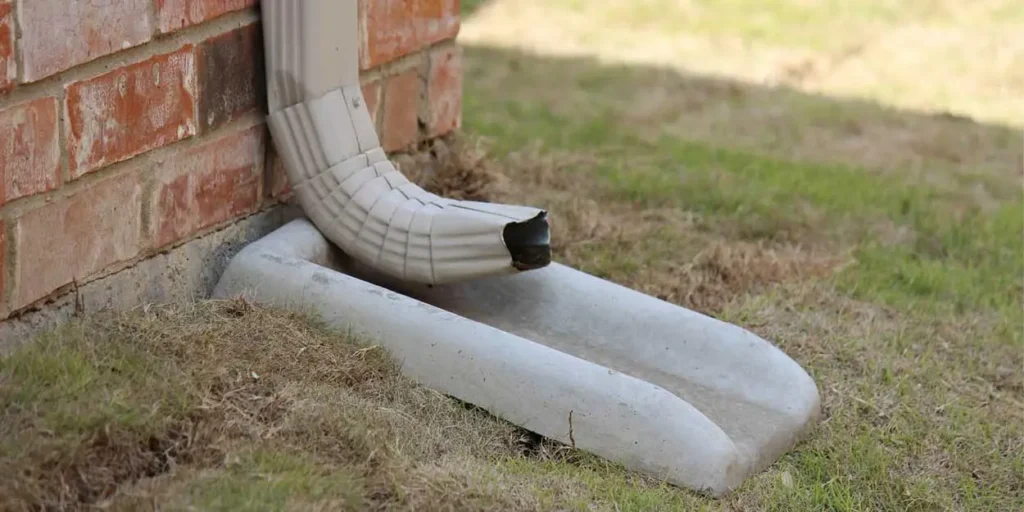
Albany and Upstate NY homeowners know that water has a way of finding the weakest point in a house. The surprise for many isn’t where the water goes—it’s how small components like splash blocks determine whether it quietly flows away from your foundation or slowly undermines it.
When splash blocks are properly sized, positioned, and integrated with your downspouts and yard grading, they act like simple but powerful traffic directors for runoff. They protect basements, crawlspaces, and landscaping with a minimal cost compared to water damage repairs. In a region with heavy snowmelt, freeze-thaw cycles, and intense summer storms, getting the basics right is critical—and that starts with understanding splash blocks as part of a smart drainage and gutter maintenance plan.
For local insight you can trust, homeowners often turn to Oleg of United Gutters, who approaches splash blocks not as accessories but as essential tools in a full-system strategy that prevents water from pooling against your home.
What Are Splash Blocks & Why Do They Matter?

Splash blocks are the sloped trays placed at the base of downspouts. Their job is simple: disperse the concentrated water jet from the downspout and send it away from your foundation. That seemingly small redirection prevents soil erosion, protects plant beds, and, most importantly, reduces hydrostatic pressure against foundation walls.
Key functions of a splash block
- Reduces soil compaction and erosion directly under the downspout
- Directs runoff away from the foundation by at least 2–4 feet
- Slows and spreads water to keep it from tunneling into the soil
- Protects mulch, landscaping, and walkways from splashback
Common materials
- Concrete: Heavy, stable, and durable; great for high-flow downspouts
- Polyethylene (plastic): Lightweight, affordable, and easy to reposition
- Decorative stone/resin: Aesthetic options that still provide slope and channeling
In Albany’s climate, durability matters. Concrete splash blocks resist movement during freeze-thaw cycles and won’t blow away in winter storms. Plastic blocks can work well if they’re properly secured and sized for your downspout’s capacity.
How Improper Water Dispersal Damages Foundations, Basements, and Landscaping
When downspouts dump water right next to your house—or when splash blocks are missing, undersized, or misaligned—problems tend to compound:
- Foundation pressure and cracking: Saturated soil expands and contracts against basement walls, creating cracks, leaks, and bowing.
- Basement moisture and mold: Persistent dampness invites rot, mold, and indoor air quality issues.
- Frost heave and slab shifting: Freeze-thaw cycles expand water in the soil, potentially shifting slabs and stairs.
- Landscape erosion: Mulch and soil washouts expose roots and undermine plantings.
- Walkway and driveway settlement: Water undermines base materials, causing dips or cracks.
Albany’s storm patterns amplify these risks. Spring snowmelt can release weeks of accumulated moisture in a few days. Sudden summer cloudbursts can overwhelm small splash blocks. And fall leaf drop can clog gutters, increasing overflow right where you least want it—at the foundation line.
Signs You Need to Upgrade Your Splash Blocks (And What to Look For)

Consider a splash block upgrade if you notice any of the following:
- Ponding within 3–5 feet of your foundation after rainfall
- Mulch displacement or exposed roots near downspouts
- Staining on siding near downspouts (a sign of overflow or back-splash)
- Soil erosion trenches at the end of a downspout
- Basement musty odors or damp corners
- “Floating” splash blocks that migrate during storms
What to look for in a better splash block
- Length and slope: 24–44 inches with a defined channel and downward pitch
- Weight: Enough mass (concrete or weighted plastic) to resist movement
- Edge profile: Channels or side lips to guide water
- Compatibility: Fits the width of your downspout discharge
- Placement flexibility: Allows extension further downslope if needed
Gutter Repair Strategies That Include Splash Block Optimization
Upgrading splash blocks works best when it’s part of a whole-system water management plan. That plan should include:
- Downspout assessment: Confirm each downspout is handling an appropriate roof area and that discharge is not concentrated in one location.
- Gutter pitch and fastening: Make sure gutters are pitched 1/16–1/8 inch per foot toward downspouts and securely fastened to resist ice and wind.
- Downspout elbows and outlets: Check for crushed elbows or undersized outlets that “jet” water too aggressively onto your splash block.
- Splash block positioning: Centered under the downspout, downhill-facing, and set on a stable base with a slight grade away from the house.
- Grading touch-ups: Maintain a 5% slope (about 6 inches over 10 feet) away from the foundation.
- Extended dispersal: Where soil stays wet, add extensions or a stone drip path to carry water farther.
If your gutters sag, overflow, or drain too close to the foundation, schedule a gutter repair assessment before the next heavy storm. Optimizing both the collection (gutters) and discharge (downspouts + splash blocks) protects your home far more effectively than treating each component in isolation.
Risk Comparison Table: Homes With vs Without Proper Splash Blocks
| Category | With Proper Splash Blocks | Without Proper Splash Blocks |
|---|---|---|
| Foundation Health | Lower hydrostatic pressure; reduced crack and leak risk | Higher pressure; increased cracking, seepage, and bowing risk |
| Basement Moisture | Drier corners and walls; less mold potential | Persistent dampness; musty odors and mold growth |
| Landscaping | Mulch and soil stay in place; healthier plant roots | Erosion trenches; mulch displacement; plant stress |
| Walkways/Driveways | Stable bases; fewer frost heave issues | Undermined bases; cracking and settling |
| Maintenance Needs | Routine cleaning and seasonal checks | Frequent regrading, foundation patching, interior dehumidifying |
| Overall Costs (5–10 yrs) | Lower long-term costs; preventive focus | Higher repair costs; reactive fixes to damage |
Seasonal Alerts for Albany Homeowners
Late Winter / Early Spring
- Snowmelt surge: Ensure downspouts discharge onto correctly positioned splash blocks before thaws.
- Freeze-thaw checks: Look for heaved splash blocks or ones that have migrated off their bases.
Spring Storms
- Gutter cleanout: Remove winter grit and early pollen to prevent overflow.
- Soil wetness: If the ground stays saturated near the house, extend discharge paths beyond the splash block.
Summer Downpours
- High-flow demand: Concrete splash blocks and additional extensions can handle intense storms better than lightweight plastic alone.
- Landscape protection: Use splash blocks with side channels to avoid mulch washouts.
Fall Leaf Drop
- Gutter guards or frequent cleaning: Prevent overflow that defeats even the best splash block setup.
- Pre-winter inspection: Make sure splash blocks are aligned and secured before freeze-up.
Integrating Splash Blocks with Gutter Extensions

In many Upstate lots, splash blocks alone aren’t enough. If your soil stays wet, your lot is flat, or your foundation sits lower than surrounding grade, you’ll likely benefit from extensions.
Spring Gutter Installation in Latham
Spring is prime time to optimize your system before heavy rains. If you’re considering new gutters or a reconfiguration, learn more about timing, scope, and regional best practices here: spring gutter installation in Latham.
Why Your Home Needs Downspout Gutter Installation Extensions
Extensions push water well beyond the splash block’s reach, ideal for clay soils or homes with minimal setback between the foundation and hardscapes. See how and when they make the biggest difference: why your home needs downspout gutter installation extensions.
When to Consider gutter repair Alongside Better Drainage Planning
Combining drainage improvements with gutter fixes maximizes the benefits of your splash blocks. Consider a coordinated approach if you notice:
- Frequent gutter overflow during moderate rains
- Sagging or back-pitched gutter sections
- Loose or undersized downspout outlets that “hammer” the splash block
- Persistent foundation dampness, despite using splash blocks
- Evidence of runoff tunneling under walkways or steps near downspouts
By tackling these issues together, you reduce the chance that one weak link undermines the rest of your system.
How Oleg Helps Homeowners: Evaluating Slope, Spacing, Block Type, and Downspout Needs
Every property sheds water differently. Oleg looks at your roof geometry, soil type, driveway and walkway layout, and where your lot slopes. A thorough assessment typically includes:
- Roof area-to-downspout ratio: Ensures each downspout serves a reasonable square footage.
- Discharge mapping: Checks whether outlets concentrate too much water in one spot.
- Block selection: Matches block size, weight, and channeling to flow volume.
- Placement precision: Aligns the block with the downspout, rotates it with the yard’s fall, and stabilizes the base.
- Grading improvement: Adds soil or minor swales to guide water beyond the “splash zone.”
- Extension integration: Recommends rigid or flexible extensions where needed.
- Long-term maintenance plan: Schedules seasonal check-ins, especially before snowmelt and after leaf drop.
The result is a balanced system that handles peak storms without overwhelming any single component.
DIY vs Pro Installation: What Homeowners Should Know
DIY can work when:
- Your lot already slopes away from the house at 5% or more
- Downspout flow is moderate and evenly distributed around the home
- You use weighted or concrete blocks that won’t shift easily
- You take time to level a base and align the block for proper runoff
DIY pitfalls to avoid
- Placing the block on soft mulch or uneven soil where it can rock or drift
- Choosing undersized or ultra-light blocks that flip during storms
- Pointing the block toward walkways, steps, or planting beds
- Ignoring grading issues that trap water near the house
When professional help pays off
- Recurring basement dampness or visible foundation cracking
- Flat lots or properties with complex drainage paths
- Large roof areas feeding a few downspouts
- Clay-rich soils that hold water around the foundation
- Need to coordinate gutter re-pitching, added downspouts, or buried extensions
A pro will select the right block, set it on a proper base, and ensure the rest of your drainage system supports it. Compared to the cost of water damage remediation, it’s a smart investment.
FAQ: Quick Answers
- Do I need splash blocks for every downspout? Yes—each downspout concentrates water that needs redirection. If a downspout connects to a buried drain in good condition, a splash block may be optional.
- Can I use rocks instead of splash blocks? A stone drip path can work if it’s properly sloped and extends several feet away. But a shaped splash block offers consistent direction and speed control.
- How far should water be directed from the foundation? At least 4–6 feet in most Upstate lots; more for flat yards or heavy soils.
- Which is better—plastic or concrete? Concrete is more stable and durable in Albany’s climate. Heavy-duty plastic can work when secured and properly sized.
- What if my yard slopes toward the house? You’ll likely need extensions, grading corrections, or a combination of both—not just splash blocks.
- Do splash blocks require maintenance? Periodically realign them, clear debris, and ensure the base remains level and stable.
- How do I stop mulch washout near splash blocks? Add edging, use heavier mulch, or transition to a stone drip area where the block meets the soil.
Infographic: Anatomy of a Proper Water Drainage Setup
Think of your water management as a chain; each link must be strong and aligned:
Roof catchment (shingles) -> Gutters (correct pitch, debris-free) -> Downspouts (adequate size, clean elbows) -> Splash Blocks (aligned, sloped) -> Graded Soil (5% away from house) -> Discharge Path (extensions, stone channel, or swale as needed)
- Gutters: Keep clean and pitched toward downspouts; securely fastened to resist ice loads.
- Downspouts: Match capacity to roof area; avoid crushed or undersized elbows.
- Splash Blocks: Long enough, heavy enough, correctly positioned, and set on a stable base.
- Soil & Path: Maintain slope; use stone or turf to dissipate energy and prevent erosion.
Simple Bar Graph: Water Damage Costs With and Without Splash Blocks
Typical 5-year cost comparison in Upstate NY homes:
Note: Ranges reflect real-world scenarios; actual costs vary by home, soil, and weather severity.
Checklist for Homeowners
- [ ] Each downspout ends in a correctly sized, aligned splash block
- [ ] Splash block sits on level, compact base (not loose mulch)
- [ ] Discharge direction faces away from the home and walkways
- [ ] Water travels at least 4–6 feet from the foundation
- [ ] Soil grade slopes away from the house (about 6 inches over 10 feet)
- [ ] Landscaping won’t trap or redirect water back toward the house
- [ ] Downspouts are clear; elbows not crushed or clogged
- [ ] Gutters fastened and pitched correctly
- [ ] Extensions added where soil remains wet
- [ ] Seasonal checks: pre-thaw, post-storm, and after leaf drop
Long-Term Value of Combining Gutter Repair and Splash Block Installation
When you combine splash blocks with a strong, well-maintained collection system, you’re making a long-term investment in a dry, healthy home. Proactive improvements cost far less than remediating flooded basements or repairing cracked foundations. Thoughtful upgrades also preserve your landscaping and maintain curb appeal through every season.
Budgeting for preventative work—including targeted gutter repair, improved downspout capacity, and correctly installed splash blocks—delivers durable peace of mind. You’ll spend less time reacting to storms and more time enjoying a home that’s built to handle them.
Conclusion
Splash blocks may be small, but they play a big role in keeping Albany and Upstate NY homes dry and stable. When they’re properly selected, aligned, and integrated with your gutters, downspouts, and grading, they quietly eliminate the conditions that lead to foundation and basement problems. If you’re ready to evaluate your setup, get expert guidance that ties splash blocks into a smart, whole-home drainage plan. That’s the approach homeowners appreciate from United Gutters: practical, preventative, and tailored to local weather and soil realities.
Protect your foundation from the next storm before it’s on the radar. Book a system check, plan your improvements, and install the right components in the right places—then let your drainage system do the work while you stay dry.
Next steps
For the full walkthrough, read What Is a Downspout? Insights from a Gutter Contractor — Oleg’s complete guide for Capital Region homeowners. Ready to book work? Request a free on-site estimate on our Downspout Installation service page, or call (518) 928-4954.
