

Fix Fascia Rot Before New Gutters | Gutter Repair Services

New gutters do not solve hidden wood rot. If the fascia behind your old system has softened, your new system will sag, leak, and fail early. You waste money and time. Albany and Upstate NY homes face long winters, heavy snow, and ice. Moisture finds weak points along roof edges. A quick fascia check before you buy new gutters protects your investment. Oleg brings a clear process that puts your roofline first. United Gutters stands for honest diagnostics and Gutter Repair Services that last.
Before replacing your system, consider scheduling gutter repair near me to inspect and reinforce fascia boards—ensuring your new gutters have a solid foundation and preventing costly repeat repairs in Albany’s tough winter climate.
What Is Fascia Rot? What Causes It?
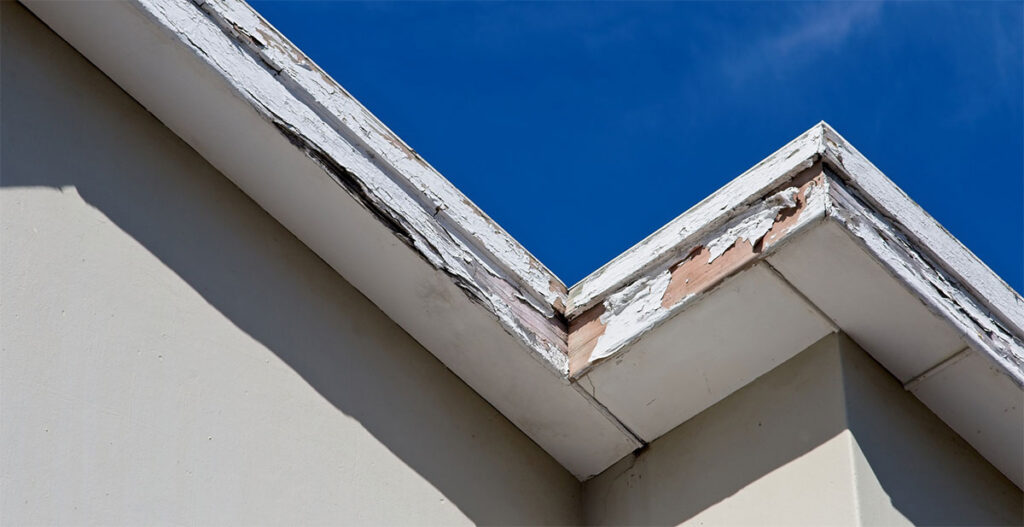
The fascia is the vertical board that caps the ends of your roof rafters. Your gutters attach to this board. When water sits against the fascia, fungi break down the wood. The board softens, loses strength, and starts to crumble.
Main causes in Upstate NY:
- Clogged gutters that overflow during storms
- Poor slope that traps water near hangers
- Missing or short drip edge that lets water wrap behind the gutter
- Ice dams that push meltwater under shingles
- Open seams at gutter end caps and corners
- Loose fasteners that let gutters pull away from the board
- Unprimed or unpainted fascia ends and cut edges
- Older aluminum wraps with open joints
Basic roof edge layout:
           Roof shingles
        /\  Water flows off roof
       /  \____________________________
      /                                \
     /  Drip edge  ->  |\\              \
Roof deck               | \\  Aluminum   \
Rafter tail             |  \\  K-style    \
                        |   \\  gutter     \
                        |    \\            \
                        |     \\___________ \
                        |     Fascia board  \
                        |____ Soffit panel   \
When the drip edge is short or damaged, water wraps around the shingle edge. It contacts the fascia face or the top edge behind the gutter. Repeated wetting starts decay.
Signs of Fascia Rot Every Homeowner Should Know
Look for these symptoms during a dry day inspection:
- Peeling or bubbled paint along the eaves
- Soft spots when you press a screwdriver into the fascia
- Dark streaks or stains below gutter seams
- Gutter sag at midspans or near corners
- Rust on nails or hangers
- Nails backing out or holes that will not hold a screw
- Musty smell near soffits
- Mildew on soffit vents or siding under the eaves
- Water behind the gutter during a hose test
- Warped aluminum fascia cover that ripples or bulges
Quick test you can do:
- Set a stable ladder on level ground. Follow safe ladder practices.
- Probe the fascia every 16 to 24 inches near hangers.
- Take moisture readings if you own a meter. Above 20% suggests decay risk.
- Run a gentle hose stream on the roof for two minutes. Watch for water behind the gutter lip.
- Snap photos of any soft zones, peeling paint, or open seams.
Early detection helps avoid gutter pull-outs, soffit damage, and ice dam growth.
Fascia Rot by the Numbers: When to Repair vs Replace
Use these thresholds to guide your decision.
| Condition | Repair Path | Notes |
|---|---|---|
| Rot length under 4 feet | Spot replace board section | Match material. Add drip edge and seal end caps. |
| Rot length 4 to 12 feet | Sectional board replacement | Stagger joints. Prime all six sides. |
| Rot length over 12 feet or multiple sides | Extended replacement | Evaluate gutter age and capacity at same time. |
| Wood moisture 20% to 28% | Dry and treat, then replace affected areas | Borate treatment on adjacent solid wood. |
| Wood moisture over 28% | Replace boards and inspect roof edge | Check for under-shingle leaks and ice damage. |
| Gutters older than 15 years with leaks and sag | Consider new system | Evaluate 5-inch vs 6-inch capacity. |
When Professional gutter repair services Are the Answer
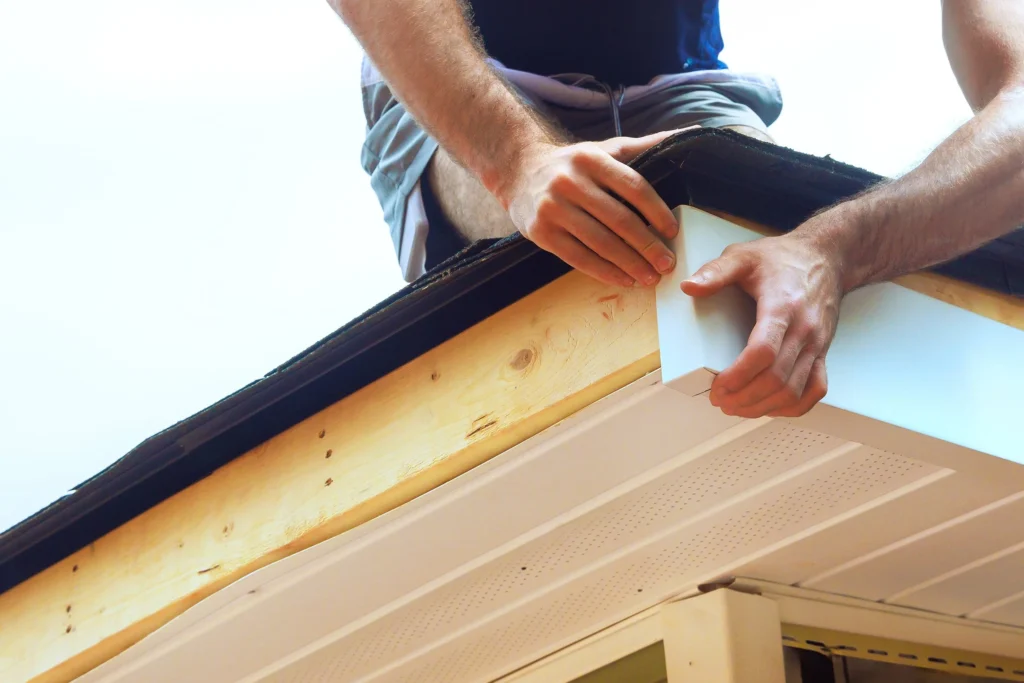
Call a pro when any of these apply:
- Rot hides behind aluminum wraps
- Multiple hanger lines pulled out of mushy wood
- Ice dam history along eaves
- Two-story or steep slopes that require staging
- Lead paint risk in homes built before 1978
- Open joints at roof edge flashing
- Animal or insect damage near soffits
A pro should document findings with photos, moisture readings, and a clear scope. The scope should list materials, flashing work, hanger spacing, sealants, and test steps. A good repair restores structure and slope. It does not only cover the damage.
How Fascia Rot Affects Gutter Performance and Your Roofline
- Sag. The gutter loses pitch. Water sits, then overflows.
- Backflow. Water runs behind the gutter into soffits and walls.
- Shingle edge wicking. Water wicks under the starter course.
- Ice growth. Standing water freezes and pries the gutter off the fascia.
- Fastener failure. Screws lose bite in soft wood.
- Soffit rot. Vent paths clog with wet debris and mold.
Correct pitch is about 1/16 to 1/8 inch drop per 10 feet. Rot forces hangers to settle and break that slope. That invites overflows and ice dams. The problem grows each season.
The Repair Process: What To Expect Step-by-Step
- Assessment. Measure affected lengths. Take moisture readings. Photograph all seams, corners, and hangers.
- Protection. Set tarps. Remove downspouts near the work area.
- Careful removal. Unfasten gutter sections. Label and set aside hardware you plan to reuse.
- Expose the fascia. Remove bent aluminum wraps. Pry off rotted boards. Inspect rafter tails.
- Treat adjacent wood. Apply a borate preservative to solid but wet wood. Allow drying as needed.
- Install new fascia. Use primed cedar, pine, or PVC/composite. Prime cuts and ends before install.
- Flash the edge. Install proper drip edge that overhangs into the gutter trough. Seal joints.
- Rehang gutters. Use hidden hangers every 24 inches or less. Set correct pitch.
- Seal and reinforce. Seal seams with quality polymer sealant. Add end-cap support where needed.
- Water test. Run a hose on the roof. Confirm no leaks behind the gutter. Confirm steady flow to the downspout.
- Clean up. Remove debris. Leave photos and a simple maintenance plan.
Material Choices: Wood vs PVC vs Aluminum Wrap
| Material | Pros | Cons | Typical Use |
|---|---|---|---|
| Primed wood (cedar or pine) | Strong. Easy to match. Paintable. | Needs regular paint. Vulnerable if unsealed. | Most standard homes |
| PVC/composite | Moisture resistant. No rot. Low upkeep. | Higher cost. Thermal movement needs gaps. | High exposure areas |
| Aluminum wrap over wood | Clean look. Protects paint. | Can hide rot if water gets behind wrap. | Paired with drip edge and sealant |
When Fascia Rot Means Full Gutter Replacement
Repair the fascia. Then review the gutter system. Full replacement often makes sense when:
- More than 25 linear feet of fascia needs replacement on one run
- Gutters leak at multiple seams or corners
- Hidden hangers every 36 inches or more, which is too wide
- 5-inch gutters under a large roof with long valleys
- Downspouts are undersized or too few for the roof area
- Old spikes have enlarged holes in the fascia
- Aluminum is bent from snow slides or ladder impacts
Pairing new fascia with a new, correctly sized system reduces call-backs and water damage. If you plan new gutters, get a quote that includes fascia line repairs and slope correction. A complete scope through professional gutter repair services often costs less over five to ten years than piecemeal work.
Seasonal Impact: Why Fascia Failure Happens in Upstate NY Winters
Freeze and thaw cycles drive water into small gaps, then expand. Repeated cycles split wood fibers and open joints.
Winter stress points in Albany and nearby towns:
- Sun on roof snow during the day. Meltwater runs to cold eaves and refreezes at night.
- Ice dams form at the gutter line. Backed-up water flows under shingles and wets the fascia top edge.
- Heavy, wet snow loads bend gutters that already lack support.
- Wind-driven rain finds open seams at end caps and miters.
Roof insulation and attic ventilation matter. Poor ventilation keeps eaves colder than the main roof. That increases the risk of ice dams. Sound drip edge and sealed valleys help direct meltwater into the gutter, not behind it.
Keep Water Moving: Cleaning and Drainage Resources for Upstate NY Homes
Clean gutters and clear downspouts protect the fascia. Overflow is the first step toward rot. Many Albany homes need spring and late fall cleanings. Pine needles, oak tassels, and maple seeds fill troughs fast.
- Read this seasonal guide on when it is time to clean your gutters. The piece explains timing around pollen, leaf drop, and early freezes.
- Improve flow away from the foundation with these gutter drainage strategies in Latham. Better drainage reduces overflow strain on fascia during big storms.
Two simple checks reduce risk all year:
- Downspout output flow. Run a hose for one minute. You want steady discharge with no backflow. If the flow slows, clear the elbows.
- After a storm. Walk the perimeter. Look for streaks on siding or splash marks under elbows. Fix those points fast.
If overflow shows up after cleanings, have your slope and hanger spacing checked by professional gutter repair services. A small pitch fix and a couple of added hangers protect the fascia for years.
How Oleg Helps: Fascia inspection, honest reports, expert fixes
Oleg follows a simple process that saves you from repeat problems.
- Walkthrough and questions about leaks, ice, and past repairs
- Ladder inspection with moisture readings at suspect points
- Photo report that marks rot, open seams, and slope issues
- Written scope with materials, hanger spacing, and flashing details
- Clear pricing that separates fascia work from gutter work
- Water test at the end so you see the result
What you get:
- Solid attachment points for hangers
- Controlled flow to downspouts
- Sealed end caps and miters
- Drip edge that directs water into the trough
- Maintenance tips that match your tree cover and roof shape
If you need both fascia repairs and a system reset, ask for a combined plan through trusted gutter repair services. That way pitch, hangers, and materials all align.
Maintenance Checklist: How to Prevent Fascia Rot with Seasonal Care
Spring
- Clean gutters after pollen and seed drop
- Flush downspouts and check elbows
- Look for winter lift at drip edge
- Touch up paint on fascia and exposed cuts
Summer
- Trim branches away from the roof edge
- Check hanger spacing and tighten loose fasteners
- Seal small end-cap weeps and micro leaks
Fall
- Clean gutters mid-season and after heavy leaf drop
- Confirm 1/16 to 1/8 inch drop per 10 feet pitch
- Check for staining below miters
- Extend downspouts 4 to 6 feet from the foundation
Winter
- After storms, knock down safe icicles from the ground
- Watch for ice bands at the gutter line
- Note any ceiling stains near exterior walls
- Plan repairs for the first thaw
Table: Repair Cost Breakdown vs Replacement Cost Analysis
| Scope | Typical Items | Upstate NY Range | Notes |
|---|---|---|---|
| Fascia spot repair (under 4 ft) | Removal, new board, primer/paint, drip edge, rehanging | $350 to $650 | One-story access at eaves |
| Sectional fascia replacement (4–12 ft) | Multiple board sections, borate treatment, drip edge | $650 to $1,200 | Add for two-story or complex rooflines |
| Extended fascia replacement (over 12 ft) | Full run, materials upgrade, wrap removal | $1,200 to $2,500 | Price depends on access and finish |
| Full gutter system, 5-inch aluminum | Linear footage 120–180 ft, hidden hangers, outlets | $1,600 to $3,200 | Costs rise with miters and extra downspouts |
| Full gutter system, 6-inch aluminum | For larger roofs or steep valleys | $2,200 to $4,200 | Better for heavy rain and ice |
| Gutter guards (optional) | Per linear foot install | $6 to $12 per foot | Only after slope and fascia are sound |
These ranges reflect straightforward conditions. Repairs with hidden rot in rafter tails or complex soffit returns cost more. A clear site visit and a written scope prevent surprises.
FAQ: Fascia Boards and Gutters
1) What is the fascia board made of on most homes?
Most homes use primed pine or cedar. Some newer homes use PVC or composite. Aluminum wraps often cover wood for a clean look.
2) Do I need to replace the whole run if I find one soft spot?
No. If the soft spot is short and the rest of the board reads dry, a spot repair works. Cut back to solid wood. Prime all cuts. Add drip edge and seal nearby seams.
3) How long does a fascia repair last?
With sealed drip edge, correct gutter pitch, and regular cleaning, a repair holds for many years. The key is to remove all decay and keep water off the board.
4) Do gutter guards stop fascia rot?
Guards reduce debris. They do not fix bad pitch, leaky seams, or short drip edge. Fix slope and sealing first. Then choose a guard that fits your roof and tree cover.
5) How do I know my gutter pitch is right?
Run water. You want steady flow to the outlet with no pooling. A level can confirm a small drop toward the downspout. If water hangs at midspan, adjust hangers.
Fascia rot is a warning, not a crisis if you act fast. Repair the structure, correct the slope, and protect the roof edge. Then size and set your gutters for local storms and snow.
Next steps for Albany and Upstate NY homeowners
- Walk your eaves and document signs of rot.
- Check slope and run a hose test.
- Decide on spot repair, sectional replacement, or full run based on length and moisture.
- Confirm drip edge coverage into the gutter.
- Schedule a pro assessment if you see hidden damage or multi-story risks.
- Plan gutter work only after the fascia is sound.
You deserve a clear plan and work that holds up through winter. Oleg delivers thorough inspections and straight answers. United Gutters helps you choose repairs or replacements that match your home and budget. Get your roof edge right before you invest in new gutters. Book a fascia check and a full water test today.
Next steps
For the full walkthrough, read Protect Your Home with Gutter Repair in Upstate NY — Oleg’s complete guide for Capital Region homeowners. Ready to book work? Request a free on-site estimate on our Gutter Repair service page, or call (518) 928-4954.
When you’re ready to have someone look at your own situation, our gutter installation in Albany, NY page walks through what to expect.
