

Hanger Spacing 101: How Many Brackets Do Your Gutters Actually Need? Insights from a local gutter contractor
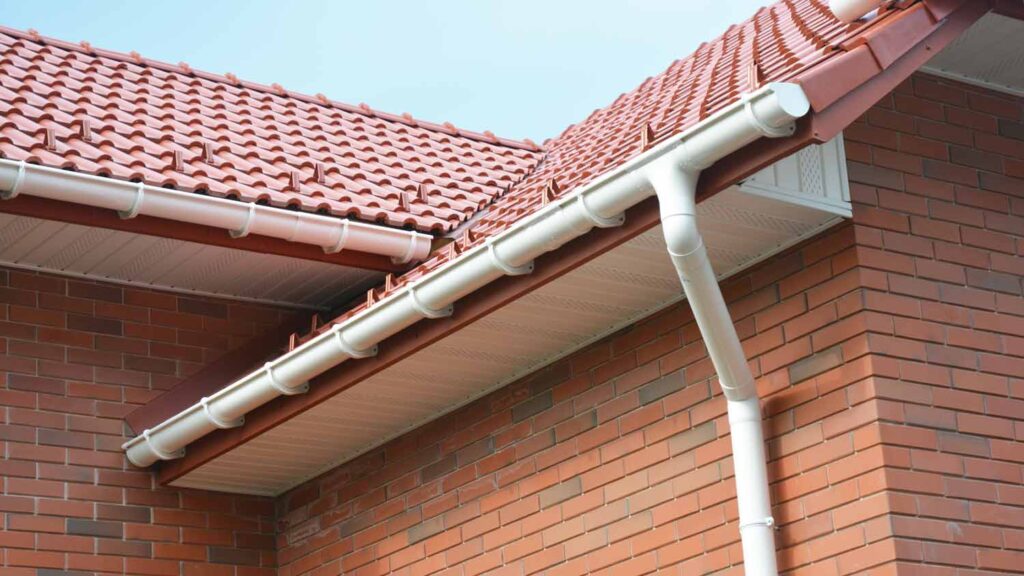
Gutter hangers (also called brackets) are the unsung heroes of your rain management system. They secure each section of the gutter to your home, hold the pitch, and keep water moving toward downspouts instead of spilling over your landscaping or seeping into your foundation. In Albany and across Upstate NY, where snow loads, freeze-thaw cycles, and wind can punish exterior systems, proper hanger spacing isn’t a nice-to-have—it’s mission-critical.
If you’ve ever asked, “How many brackets do my gutters actually need?” you’re not alone. The answer depends on your gutter material, roof, fascia condition, and local climate. In this guide, we’ll break down the spacing rules that protect your home and explain when it’s time to call a seasoned gutter contractor for a professional assessment. You’ll also get expert guidance from Oleg of United Gutters, who has helped countless Upstate homeowners dial in the right spacing to stand up to harsh winters.
Why Gutter Hangers Matter

Think of gutter hangers as the structural backbone of your gutter system. They do much more than simply “hold the gutter up.” The right hanger type, spacing, and fasteners determine whether your gutters can resist heavy snow, wind, debris, and the daily stress of water flow.
They preserve structural support
Gutters are long, often continuous runs of material. Without adequate support points, the weight of water, snow, or trapped debris creates leverage that can twist, bend, or detach sections. Properly spaced hangers distribute that load evenly along the fascia, lowering stress at any single point.
They maintain pitch integrity
Gutters need a subtle slope—usually about 1/4 inch per 10 feet—so water drains efficiently to downspouts. Too few hangers allow the channel to bow between supports, flattening or reversing the pitch. That leads to standing water, accelerated corrosion, gunk buildup, and ice formation.
They prevent sagging and overflow
When hangers are spaced too far apart or fastened poorly, gutters can sag. Sagging causes water to roll over the front lip during storms, drenching siding, windows, and foundation plantings. Over time, that overflow can erode soil, stain siding, and invite basement moisture or mold.
What Is the Standard Spacing for Gutter Hangers?
There is a “rule of thumb,” but it varies by material and climate. In general, most aluminum systems in temperate climates do well with hangers every 24–36 inches. Upstate NY’s snow and ice push that recommendation tighter—closer to every 18–24 inches—especially on long runs or wind-exposed elevations.
Typical hanger spacing by gutter material
| Gutter Material | Typical Hanger Spacing (Temperate Climates) | Recommended Spacing for Upstate NY | Notes |
|---|---|---|---|
| Aluminum (most common) | 24–36 inches | 18–24 inches | Balance lightweight strength with winter loads; hidden hangers with long screws are ideal. |
| Vinyl | 24–30 inches | 16–24 inches | Vinyl can flex in heat and become brittle in extreme cold; closer spacing helps. |
| Galvanized Steel | 30–36 inches | 24–30 inches | Heavier and stiffer, but weight demands robust fasteners and solid fascia. |
Climate “chart”: how weather changes spacing
Colder regions with heavy snow and frequent freeze-thaw cycles need tighter spacing to resist downward force and ice load.
| Climate Zone | Typical Winter Load | Recommended Spacing | Rationale |
|---|---|---|---|
| Warm/Southern (minimal snow/ice) | Low | 30–36 inches | Less weight and freeze stress; standard spacing suffices. |
| Temperate/Mid-Atlantic | Moderate | 24–30 inches | Occasional snow and ice warrant modestly closer spacing. |
| Cold/Northeast & Upper Midwest (Albany/Upstate NY) | High | 18–24 inches | Snow, ice, and wind increase downward and shear forces. |
| Mountain/Heavy Snowfall Areas | Very High | 16–20 inches | Frequent heavy loads and drifting make tight spacing essential. |
Note: Downspout outlets, mitered corners, and end caps are stress points. Add extra hangers within 6–12 inches of these features regardless of material or climate.
Factors That Affect Bracket Spacing
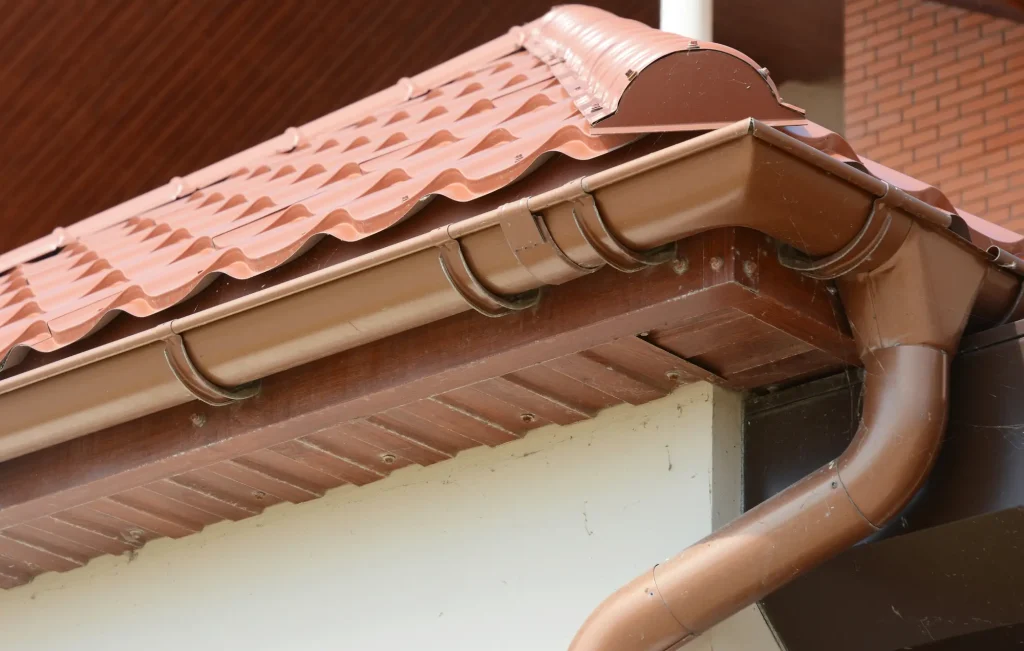
Roof type and pitch
Steeper roofs shed snow faster, sometimes in heavy sheets. When that load hits the gutter edge, the impact can be significant. Homes with metal roofing or smooth shingles that encourage “snow slides” benefit from tighter spacing and snow guards. Lower-slope roofs may hold snow longer, increasing sustained weight on the gutter; again, closer spacing helps.
Local snowfall and ice damming
Albany and Upstate NY see frequent freeze-thaw cycles that encourage ice dams. When warm attic air melts roof snow, water runs to the colder eave, freezes, and forms ice ridges. Gutters adjacent to ice dams endure both static weight and freeze expansion forces. Closer hanger spacing and longer, structural screws into solid framing are your best defense.
Gutter material weight
Aluminum offers a strong strength-to-weight ratio. Vinyl is lightweight but less rigid and more sensitive to temperature extremes, so it needs a denser hanger layout in our climate. Steel is strong but heavy; ensure hangers are rated and fastened to sound wood.
Home age and fascia condition
Older homes may have fascia boards with weathering, delamination, or prior fastener damage. Even with close spacing, a weak substrate won’t hold. Before setting spacing, a pro inspects fascia integrity, replaces rotten sections, and uses proper fasteners (e.g., stainless or coated screws) to ensure a lasting bite.
Risks of Improperly Spaced Gutter Hangers
Sagging and detachment
Long gaps between brackets create “bridges” that sag under weight. Over time, you’ll see waves or dips along the gutter run, especially in the center between hangers. The result can be partial or complete detachment during a heavy snow slide or wind event.
Water overflow and siding damage
When pitch is lost due to sagging, water stalls in the channel and spills over instead of draining to downspouts. Overflow can streak and stain siding, rot window trim, erode landscaping, and even flood basement perimeters. It’s a small spacing mistake with big, costly consequences.
Ice buildup and roof edge deterioration
Standing water in a poorly pitched gutter freezes into blocky ice, magnifying weight and prying force at the eave. Over multiple winters, that stress can deform drip edges, compromise fascia, and wrinkle shingles. Tight, consistent spacing reduces these risks by holding shape and slope.
Why Working with a Trusted gutter contractor Matters for Bracket Placement
Hanger spacing is part math, part building science, and part local experience. A seasoned pro brings all three to your project—measuring run lengths, selecting hanger types, accounting for roof pitch and snow behavior, and placing extra supports at stress points. They’ll also evaluate eave ventilation and insulation issues that contribute to ice dams, which affect spacing and hardware choices.
An experienced gutter contractor also understands fastener selection. Long, exterior-grade screws that reach solid framing outperform nails or short screws that only bite the fascia skin. In Upstate NY, that difference often decides whether your gutters hold through a blizzard or fail when you need them most.
Visual Examples
Infographic: correct vs. incorrect spacing
Graph: Probability of gutter failure vs. spacing interval
As spacing increases, the risk of failure rises—especially under snow load. Here’s a simplified representation to illustrate the trend.
| Spacing Interval | Estimated Failure Risk in Heavy Snow | Notes |
|---|---|---|
| 16 inches | Low (5–10%) | Often used for extreme or mountain climates. |
| 18–20 inches | Low–Moderate (10–15%) | Sweet spot for Upstate NY on many homes. |
| 24 inches | Moderate (15–25%) | Acceptable on well-protected elevations with sturdy fascia. |
| 30 inches | Elevated (25–40%) | May be fine in milder climates; risky with snow/ice. |
| 36 inches | High (40–60%) | Too wide for most Upstate NY conditions. |
These are illustrative figures to convey the relationship between spacing and risk; actual risk depends on material, fasteners, fascia condition, and microclimate exposure (wind, drifting snow).
Tips for Albany and Upstate NY Homes
- Favor tighter spacing: Aim for 18–24 inches for aluminum or vinyl and 24–30 inches for steel. Add extra hangers within 6–12 inches of corners, end caps, and downspout outlets.
- Inspect after storms: After a heavy snow slide or ice event, look for new dips, separations, or wrinkled drip edge along the eave. These are signs hangers need reinforcement.
- Mind the trees: Homes under maples, oaks, and pines carry extra debris weight. Consider closer spacing and maintenance-friendly hardware.
- Seasonal maintenance: Before summer thunderstorm season, read the Summer Gutter Prep Guide for Albany to keep channels clear and reduce strain on brackets.
- Debris management: If you’re weighing cover options, here’s a balanced look at whether gutter guards are worth it in Upstate NY and how they affect maintenance and weight.
- Snow management: On roofs prone to snow slides, ask about snow guards and robust hidden hangers coupled with long exterior screws into rafter tails where possible.
- Fascia health first: Replace rotten or delaminated fascia before adding hangers. Good spacing won’t save a failing substrate.
How Oleg Helps Homeowners
Customized inspections, right at the eaves
Every home is different. Oleg begins with a thorough eave and fascia evaluation—checking wood condition, existing hanger types, spacing consistency, downspout locations, and pitch. He identifies stress points (long runs, inside/outside miters, outlet transitions) and plans extra supports there.
Hardware tuned for snow loads
In Upstate NY, it’s not just about how many brackets; it’s which brackets and fasteners. Oleg favors heavy-duty hidden hangers with reinforcing ribs and long, exterior-rated screws that bite into solid framing. On vulnerable elevations, he tightens spacing and uses additional supports to resist snow slides and ice expansion.
Affordable retightening and replacement plans
Sometimes your gutters are fine—you just need more hangers and better fasteners, placed strategically. Oleg provides clear, budget-friendly options: retightening, selective reinforcement near stress points, or full replacement when necessary. You’ll know exactly what you’re getting and why, with photos and straightforward explanations.
How Many Hangers Do I Need? A Practical Estimator
Use this simple calculator mindset to estimate bracket count for a single straight run:
- Measure the run length in feet (e.g., 40 ft).
- Choose your Upstate NY spacing target (e.g., 20 inches). Convert to feet (20 inches ÷ 12 = 1.67 ft).
- Divide run length by spacing: 40 ÷ 1.67 ≈ 24 hangers.
- Add extra supports: +1 near each end cap and +1 within 6–12 inches of each downspout outlet. For a 40-ft run with one outlet, add 2–3 more total.
Result: 26–27 hangers for that 40-ft run under typical Upstate NY conditions. Longer runs, wind exposure, or known snow-slide areas may require even tighter spacing and more reinforcement.
Installation Best Practices That Protect Your Investment
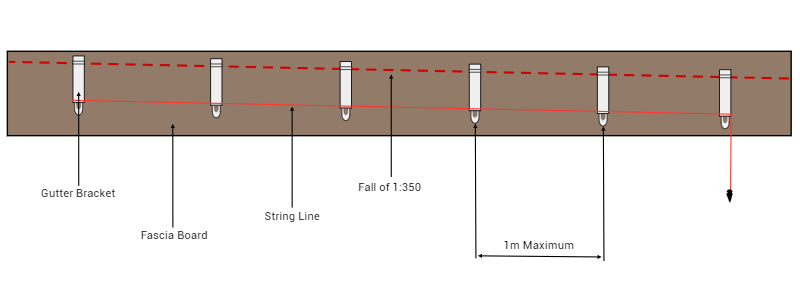
- Start straight: Snap a chalk line to establish pitch (about 1/4 inch per 10 ft). Hang your first and last brackets to the line and fill in the rest at consistent intervals.
- Hit solid backing: Whenever possible, drive fasteners into rafter tails or solid blocking, not just thin fascia skin.
- Use long, exterior-rated screws: Stainless or coated structural screws outperform nails and short screws in pull-out strength, especially under winter load.
- Reinforce stress zones: Place additional brackets within 6–12 inches of outlets, miters, and end caps.
- Seal and protect: Seal fastener penetrations where appropriate and maintain drip edge alignment to protect fascia.
Maintenance Habits That Extend Gutter Life
- Clean routinely: Clear leaves and pine needles before late fall and again in spring. Less debris means less weight and lower risk of sag.
- Post-storm checks: After big wind or snow events, scan for new dips, fastener heads backing out, or fascia staining.
- Address ice early: Improve attic insulation and ventilation to reduce meltwater and ice dams at the eave.
- Annual tune-ups: A quick pro inspection can tighten fasteners, adjust pitch, and add reinforcement before issues escalate.
Real-World Scenarios in Upstate NY
Scenario 1: 60-foot back run, two downspouts, aluminum gutters
Standard 5-inch K-style aluminum with tree cover and moderate snow load. Target spacing: 20 inches. 60 ft ÷ 1.67 ≈ 36 hangers. Add 1 near each end, and 1 near each outlet (2), plus one at the miter: total around 40 hangers. This higher count prevents mid-span sag and overflow during summer downpours and winter freeze.
Scenario 2: 30-foot garage run under a metal roof
Metal roofs shed snow rapidly. Even short runs experience heavier impacts. Target spacing: 16–18 inches with reinforced hidden hangers and long screws into rafter tails. Expect roughly 20–22 hangers for the 30-ft span, plus extras at ends and outlet.
Scenario 3: Vinyl gutters on an older fascia
Vinyl flexes and can become brittle in deep cold. Old fascia may have prior fastener damage. Target spacing: 16–20 inches and consider partial fascia replacement before installing. The denser layout and refreshed substrate prevent seasonal pull-away.
FAQ: Gutter Hanger Spacing and Hardware
1) Do all gutter materials need the same bracket spacing?
No. Aluminum often performs well at 18–24 inches in Upstate NY, vinyl needs tighter spacing (16–24 inches), and steel can sometimes stretch to 24–30 inches if the fascia is sound and fasteners are robust. Climate and roof design still matter more than material alone.
2) Can I add hangers to existing gutters?
Yes. Many spacing problems are solvable without full replacement. A pro can add hidden hangers, replace undersized screws with longer structural ones, and reinforce stress points. This is one of the most cost-effective upgrades for sagging gutters.
3) Are gutter screws better than spikes?
In snowy, windy climates, yes. Exterior-grade screws deliver better pull-out resistance and are less likely to loosen over time. Spikes can back out with freeze-thaw cycles and vibration. Hidden hangers with long screws offer the best combination of strength and aesthetics.
4) What if my gutters pull away every winter?
That’s usually a sign of wide spacing, weak fasteners, failing fascia, or snow-slide impact. The fix often includes closer spacing, stronger fasteners into solid backing, and occasionally adding snow guards on steep or metal roofs. A local gutter contractor can pinpoint the root cause during an inspection.
Checklist for Homeowners: Is Your Hanger Spacing Right?
- Measure spacing: Are hangers consistently 18–24 inches apart (Upstate NY baseline) for aluminum/vinyl, or 24–30 inches for steel?
- Stress points: Do you see a hanger within 6–12 inches of each corner, end cap, and downspout outlet?
- Sag or waves: Sight down the gutter line—any dips or bows between hangers?
- Separation: Any gaps between gutter apron/drip edge and gutter back? Any fasteners backing out?
- Hardware: Are hangers modern hidden types with long, exterior-rated screws?
- Fascia health: Is wood solid, without rot or delamination? Any staining that suggests overflow or wicking?
- Winter wear: Evidence of ice ridges, bent gutters, or pulled fasteners after storms?
- Confirmation: If unsure, schedule a quick visit from a trusted gutter contractor for peace of mind.
When to Upgrade vs. Reinforce
If your gutters are relatively new but sagging at mid-span, reinforcement with additional hangers and upgraded screws may be all you need. If you see corrosion, repeated leaks at seams, or chronic ice-dam damage, consider full replacement with hanger spacing customized to your home’s exposures. Pair that with attic insulation/ventilation improvements to address the source of ice dams.
Seasonal Scheduling Tips
- Early spring: Inspect and reinforce before spring rains. Combine with cleaning and downspout checks.
- Late summer: Prep for fall leaves and winter—review the Albany summer prep checklist to minimize clogs that increase weight.
- Late fall: After leaves drop, final clean and a quick tightening pass. Consider whether gutter guards make sense for your tree cover and snow conditions.
Bottom Line: Spacing That Stands Up to Upstate Winters
For most Albany and Upstate NY homes, the safe starting point is 18–24 inches between hangers on aluminum and vinyl gutters, with 24–30 inches for steel—plus extra brackets within 6–12 inches of corners, downspout outlets, and end caps. Couple that with long, exterior-rated screws into solid backing, and you’ll dramatically reduce sagging, overflow, and winter pull-away.
If you’d like a precise count and placement plan tailored to your home, book a quick inspection with Oleg of United Gutters. He’ll assess fascia health, choose the right hardware for snow loads, and map out spacing that protects your siding, foundation, and roof edge for years to come. Don’t wait for the next nor’easter to stress-test your gutters—schedule your visit today and make sure your system is built like it should be by a trusted pro.
Next steps
For the full walkthrough, read The Ultimate Guide to Gutter Installation Near You — Oleg’s complete guide for Capital Region homeowners. Ready to book work? Request a free on-site estimate on our Seamless Gutter Installation service page, or call (518) 928-4954.
