

Why Did My Gutter Sag After One Summer Storm in Albany, NY?
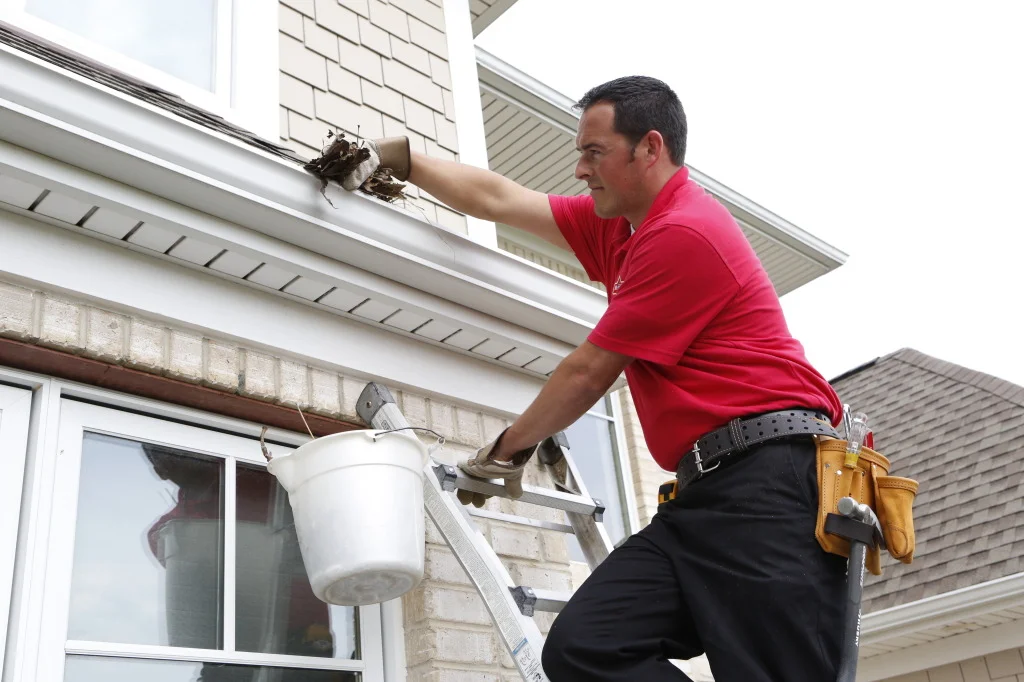
The situations described here are composites drawn from the types of jobs and decisions we encounter regularly. Names and specific figures are illustrative.
The call came in early July, the day after one of those summer storms that drops an inch of rain in twenty minutes. A homeowner in Delmar described water sheeting off the back corner of her gutter and a steady drip onto her deck for an hour after the rain stopped. She thought she needed a new section. What she actually needed was a careful look at the slope, the hangers, and the fascia behind them. That diagnosis is the most common reason we get called for gutter realignment in Albany, NY during summer storm season, and it is almost always cheaper than the replacement people brace themselves for.
Where the call usually starts
Most realignment calls start the same way. A storm rolls through, the homeowner stands under the eave, and they see something they have not seen before. Water spilling over the front lip in one spot. A sag in the middle of a long run. Water running back toward the house instead of out to the downspout. The Delmar caller described all three, which told us before we left the shop that we were probably looking at a pitch problem rather than a section that needed cutting out.
Pitch is the slow problem. A gutter installed correctly drops about an eighth of an inch over every ten feet of run. That is enough to move water without looking visibly tilted from the curb. When a long run develops a low spot, it might only be a half inch out of true, but a half inch is enough to pond water, hold debris, and pull the hangers downward over a few seasons until the whole middle starts to sag. By the time a homeowner notices, the gutter is usually fine. It is the slope that has failed.
What we found behind the downspout
When we got to the house, the front of the home looked sharp. Vinyl siding, dark trim, gutters that had been installed by a previous owner maybe eight years earlier. The back was a different story. The long run along the rear eave had a visible dip about two-thirds of the way to the downspout. From the ground it looked like maybe an inch. Up on the ladder, with a level, it was closer to three quarters of an inch low at the deepest point.
The hangers told the story. Three of them in that middle stretch had pulled forward, leaving the back lip of the gutter sitting low against the fascia. One had a visible gap between the hanger and the fascia board. When we pressed on the fascia where the hanger was set, the wood gave a little. Not rotten yet. But on its way. The previous installer had used hidden hangers, which are usually the right call, but had spaced them about thirty inches apart on a run that gets a lot of roof discharge from a wide pitch above. That spacing is fine for a quiet eave. It is not enough for the volume coming down that section in a real storm.
The misconception we had to walk through
The homeowner had already gotten a number from another contractor for a full tear-off and replacement of the back run. She mentioned it on the porch before we went up the ladder. Most homeowners we meet in this situation assume the same thing. They see a sag, they hear “your gutters are failing,” and they assume the only fix is new metal. That is rarely true on a system this young.
The gutter itself was sound. The seams were tight. The downspout cleared. The aluminum had no real corrosion. What had failed was the relationship between the gutter and the fascia, and that is a repair problem, not a replacement problem. We walked her through what we were seeing and what the order of operations would be. She was skeptical for the first few minutes, which is fair. Nobody wants to hear that a contractor told them they needed something they did not actually need.
What the realignment actually involved
We started by pulling the three loose hangers and inspecting the fascia. The wood was soft in two spots, both about the size of a credit card. We treated those areas, replaced one short section of fascia board where the rot had gone deeper than the surface, and let it set before going back up. Skipping that step is how realignments fail. If you reset the hangers into compromised wood, the same sag shows up again inside a year, and the next call is for a full fascia rebuild instead of a small patch.
With the fascia solid again, we re-snapped a chalk line from the high end of the run down to the downspout outlet, set the new pitch at a little more than an eighth of an inch per ten feet to give the water some help, and reset the hangers on tighter spacing. Eighteen inches on that stretch instead of thirty. We added two extra hangers, brought the gutter back up to the chalk line, sealed the inside corner where a small fatigue crack had started, and flushed the system with a hose to confirm water was running cleanly to the outlet. Total time on site was a long morning and a short afternoon.
Where spending more would have stopped making sense
If the fascia had been further gone, the math would have shifted. Once you are replacing more than ten or twelve feet of fascia board, you are into a different job. At that point a homeowner has to weigh whether to keep patching or to plan a coordinated fascia and gutter rebuild during a dry stretch. We have done both. The break point is usually whether the rot extends behind the soffit return or stays at the face. Surface rot at the face is a repair. Rot that has crept up into the soffit framing is a project.
The Delmar job sat clearly on the repair side of that line. Spending replacement money would have given her a brand-new gutter sagging into the same soft fascia within a couple of summers. We have seen that exact outcome on homes where the previous contractor sold a tear-off without ever putting a moisture meter on the fascia.
What homeowners usually ask at this point
Once the work is laid out, the questions tend to be the same. How long will the realignment hold. Whether the hanger spacing needs to be that tight everywhere or just on that run. Whether the rest of the house should be checked. The honest answers are: a properly reset system with sound fascia behind it should hold its pitch for the life of the gutter, which on aluminum in our climate is roughly twenty years if it is cleaned twice a year. Hanger spacing depends on the volume each run carries, not a fixed rule. And yes, when we are already on the ladder, it makes sense to walk every run and flag anything that looks like it is heading the same way.
On the Delmar house we found two more hangers on the side eave that were borderline. We reset them while we were there. That decision added a small amount of time to the visit and likely saved her another service call in the fall. That kind of small preventive call is what makes the difference between a system that quietly does its job and one that becomes a recurring problem.
What the homeowner walked away with
She kept her existing gutters, paid a fraction of what the replacement quote had been, and got a written summary of what was repaired, what was preventive, and what we would want to look at again in a year. We do not put a hard sell on the next visit. We tell people what we found, what we did, and what we would keep an eye on. If they want us back, they call. If a neighbor’s contractor handles their cleaning, that is fine too.
The lesson sitting underneath this job is small but important. A sagging gutter is usually a slope and fastening problem, not a metal problem. The metal is the part everyone looks at. The fascia, the hanger pattern, and the pitch are what actually decide whether water leaves the roof or sits there waiting to cause damage. Anyone offering a realignment quote without inspecting the fascia is skipping the step that decides whether the repair lasts. That is the heart of how we approach gutter realignment in Albany, NY on every job, summer storm season or otherwise.
If you are looking at a sagging run or water in the wrong spot after a storm, the cheaper conversation usually starts with a careful look rather than a replacement quote. Our gutter services across the Capital Region cover the diagnosis and the repair on the same visit, and our seamless gutter installation work is reserved for the systems that genuinely need it. For the technical side of how slope and hangers interact, our guide on gutter slope and what to ask before hiring covers the same ground in more depth, and the hanger spacing breakdown walks through why thirty inches is too far on a high-volume run.
Book service with a licensed Capital Region crew
Ready for a real on-site look at your gutter repair project? See our Gutter Repair in Albany & the Capital Region service page for pricing, process, and next steps — or call (518) 928-4954. Oleg picks up the phone.
