

How Do You Prevent Ice Dams from Damaging Your Gutters in Albany, NY?
Summary
- Ice dams form when heat escapes through your roof, melts snow, and that meltwater refreezes at the cold eaves — gutters get caught in the middle.
- The most effective prevention happens at the roof and attic level, not the gutter level alone.
- Heated cables and gutter guards both play a role, but neither substitutes for proper attic insulation and ventilation.
- Gutter condition before winter matters — clogged or sagging gutters make ice dam damage significantly worse.
- In Albany and the Capital Region, ice dams are a recurring seasonal problem — not a freak event — and need to be treated that way.
How Do You Prevent Ice Dams from Damaging Your Gutters in Albany, NY?
Ice dams come up every winter in this region. I work in Albany, Saratoga, Mechanicville, and the surrounding Capital Region, and I’ve seen the damage they leave behind — gutter systems pulled off fascia boards, rotted soffit, water stains running down the inside of walls. The thing most homeowners don’t understand until after the fact is that the gutters themselves are rarely the cause. They’re more like bystanders. The real problem starts at the roof.
That said, the condition of your gutters before winter hits makes a significant difference in how badly they hold up. And if you want to understand ice dam prevention albany ny, it’s worth going through this carefully — because the common shortcuts don’t work as well as the underlying fix.
Here’s how I approach this problem, and what I’ve seen work — and fail — on houses throughout the Capital Region.
Why Ice Dams Happen in Albany-Area Homes
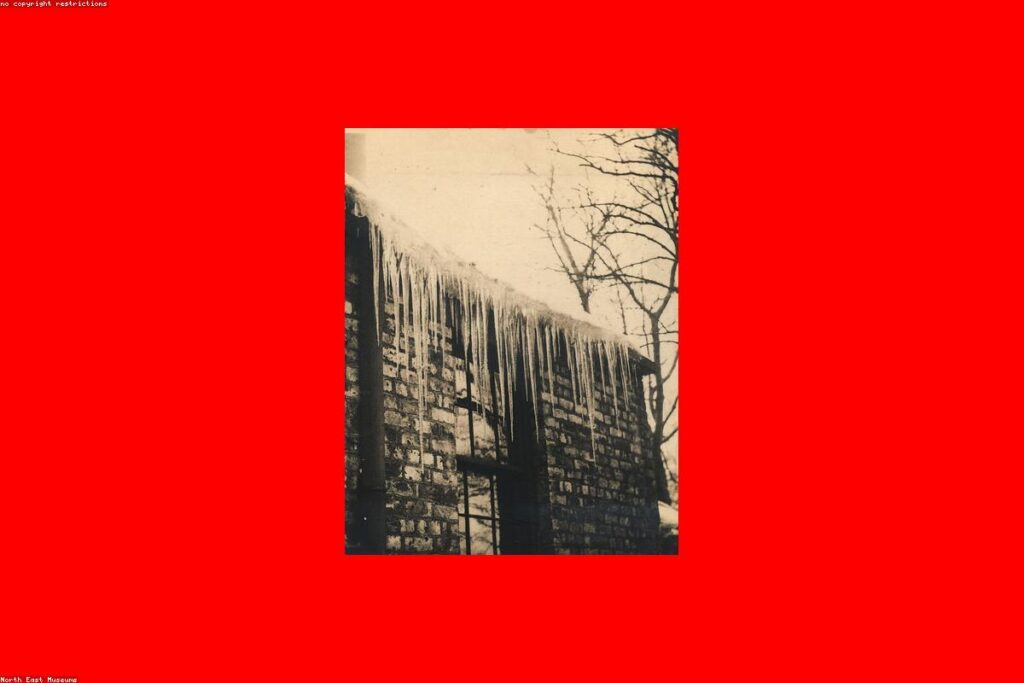
An ice dam forms when the upper portion of your roof gets warm enough to melt accumulated snow, but the lower edge — where your gutters sit — stays below freezing. The meltwater runs down the roof, hits the cold zone, and refreezes. Over days and weeks of freeze-thaw cycles, that ice ridge grows. Eventually, water backs up behind it and works its way under shingles, into the roof deck, and into the structure below.
Albany winters are particularly prone to this because we get a combination of cold temperatures and significant snow accumulation. It’s not the extreme cold that causes ice dams — it’s the temperature differential between your warm attic and the cold outside air. A poorly insulated attic heats the underside of the roof deck, and that’s where the problem starts.
Your gutters sit at the eave — the exact zone where meltwater refreezes. When ice builds up in and around them, the weight and expansion pressure can pull mounting brackets off the fascia, crack the gutter seams, or rip the system off entirely.
What Actually Prevents Ice Dams
Fix the Attic First
I tell homeowners this every year and most of them have already heard it, but it’s still the answer: proper attic insulation and ventilation is the single most effective way to prevent ice dams. If your attic stays close to the outdoor air temperature — instead of being warm from interior heat loss — the roof deck stays uniformly cold and snow doesn’t melt unevenly.
This isn’t a gutter job. It’s an insulation and building envelope job. But it directly affects how your gutters perform in winter and how long they last. I mention it because homeowners often come to me expecting a gutter-specific fix, and there isn’t one that addresses the root cause.
Clean Gutters Before the First Freeze
Clogged gutters make ice dams worse. When your gutters are full of leaves and debris, meltwater can’t drain. It backs up, freezes faster, and adds weight the system wasn’t designed to hold. I’ve seen entire gutter sections fail — brackets pulled, fascia cracked — on houses where the gutters were just never cleaned before winter.
Cleaning is one of the most reliable things you can do to protect your gutters specifically. We handle gutter cleaning across Clifton Park and the broader Capital Region, and late fall is always the busiest time for a reason. Waiting until after the first freeze means you’re already behind.
Check Gutter Slope and Mounting
Gutters need to maintain a slight pitch toward the downspouts — roughly a quarter inch of drop for every ten feet of run. When that slope flattens out over time (which happens when hangers loosen), water pools. Pooled water freezes. Frozen water expands. And the gutters get pushed or pulled out of position.
Before winter, I check every gutter run for proper slope and look for hangers that have pulled away from the fascia. It takes maybe twenty minutes on a single-story home. On a house that’s been through several hard Albany winters, you’ll almost always find something that needs to be reset.
Should You Use Heated Cables?
Heated gutter cables — also called heat tape or de-icing cables — are a legitimate option for high-risk areas. They run in a zigzag pattern along the roof edge and into the gutters, keeping a channel open for meltwater to drain through. They don’t prevent ice dam formation entirely, but they can limit how much water gets trapped behind a dam.
They work reasonably well when installed correctly. The problems I see are usually from improperly routed cables, cables that failed and weren’t replaced, or cables used on gutters that were already damaged going into winter.
They also add to your electricity bill. If your house has significant heat loss through the attic and you’re running cables every winter to manage the symptoms, you’re paying ongoing costs for a problem that has a more permanent structural fix. That’s worth factoring in before you go this route.
Do Gutter Guards Help with Ice Dams?
This one comes up a lot. The short answer: some types help a little, most don’t directly address ice dams. Micro-mesh guards do keep debris out, which keeps gutters clear going into winter. That’s a real benefit. But no gutter guard prevents the temperature differential that causes ice to form in the first place.
Some guards can actually complicate things. Solid-cover systems can cause water to overshoot the gutter entirely in heavy rain, and in winter, ice can form across the top surface of the guard and bond to the roof edge in ways that are hard to clear without damaging something.
If you’re considering gutter guards, it’s worth reading through how a local Albany gutter contractor approaches guard selection before committing to a system. What works in a drier climate doesn’t always translate well to Upstate NY winters.
A Job That Comes to Mind
A few winters ago, I worked on a house in Mechanicville — older colonial, the kind that’s common in that area, two stories with a long front roofline. The owners called in February after noticing water stains inside the front bedroom. When I got there, the front gutter section was almost completely separated from the fascia, held on by two brackets. The fascia itself was wet and beginning to rot.
The ice buildup had been severe — several inches thick along the entire front eave. The gutters had gone into winter fully clogged with leaves, the attic had basically no insulation above the bedroom, and the house sits in a low-wind area where snow accumulates and doesn’t blow off naturally.
We replaced the gutter section and the damaged fascia. The homeowner got an insulation contractor in the following fall. The next winter, there was still some icing — you can’t completely eliminate it in certain climates — but nothing close to what had happened the year before. No structural damage, no water intrusion. That’s usually how it goes when the attic issue gets addressed properly.
Ice Dam Prevention Checklist for Albany Homeowners
| Task | When | Why It Matters |
|---|---|---|
| Clean gutters of all debris | Late October / early November | Prevents water backup and pooling at eaves |
| Inspect and re-pitch gutter runs | Before first freeze | Ensures meltwater drains instead of pooling |
| Tighten or replace loose hangers | Fall | Reduces risk of weight failure from ice accumulation |
| Check attic insulation and ventilation | Fall (every 3–5 years at minimum) | Addresses root cause of uneven roof temperatures |
| Install or inspect heat cables if using them | Before first snowfall | Cables in poor condition don’t work and can cause issues |
| Check fascia condition behind gutter line | After major ice event clears | Early rot detection prevents structural damage from spreading |
When to Call Someone In
If you see gutters pulling away from the fascia, water stains on interior walls below roof eaves, or visible daylight between your gutter and the roofline after an ice season, those aren’t problems to defer. Fascia rot spreads quickly once it starts, and water that’s gotten into a wall cavity doesn’t resolve on its own.
If you’re not sure what you’re looking at, our contact page is the easiest way to describe what you’re seeing and get a straight answer about whether it warrants a visit.
Frequently Asked Questions
Can I remove ice from my gutters myself?
You can, carefully. Calcium chloride ice melt in a tube sock placed perpendicular to the gutter will create a drainage channel without damaging the roofing. Avoid using rock salt — it stains and corrodes aluminum gutters. Don’t chip ice with a hammer or axe near the gutter line.
Does ice dam prevention albany ny apply if I have gutter guards?
Yes. Ice dam prevention albany ny is primarily about attic conditions and roof heat, not what’s on the surface of your gutters. Guards can help with debris, but they don’t change the thermal dynamics that allow ice dams to form.
How much does ice dam damage typically cost to repair?
It ranges widely. A gutter section that pulled off and needs remounting might be a few hundred dollars. If there’s fascia rot and water intrusion that reached wall framing, you’re in different territory — potentially several thousand. Catching it early makes a significant difference in what the repair involves.
Is one ice dam season enough to cause permanent damage?
It depends on how severe the season was and the condition of the gutters and fascia going in. One bad season on an already-weakened gutter system can cause failure. On a well-maintained, properly mounted system, the same conditions might cause only minor deformation.
My neighbor has the same house and doesn’t get ice dams. Why do I?
Attic insulation levels vary house to house even in identical floor plans. Sun exposure on the roof, roof pitch, and tree shading all affect how snow behaves. It’s not unusual for adjacent houses to have very different ice dam histories.
What I’ve Learned from Upstate NY Winters
After working gutter jobs across Albany, Saratoga, and the Capital Region for years, what I’ve found is that the houses with the worst ice dam damage are almost always ones where nothing was done preventively. Not because the owners didn’t care — usually they just didn’t know it was an issue until something failed visibly.
The combination of well-maintained gutters going into winter and decent attic insulation handles most of what this climate throws at a house. Not every solution requires a big investment. Some of it is just timing — doing the cleaning and inspection before the ground freezes, rather than after.
