

Gutter Replacement vs. Repair in the Capital Region: How to Decide

Summary
- Know the warning signs that separate repair from full replacement.
- Use cost thresholds and lifespan math to protect your budget.
- Account for Capital Region weather: snow, ice, wind, and heavy leaf fall.
- Follow a step-by-step checklist to assess gutter condition fast.
- Call a pro when safety, scope, or recurring leaks outweigh spot fixes.
Gutter Replacement vs. Repair in the Capital Region: How to Decide
Introduction
Gutters protect your foundation, siding, and roof. In Albany and the rest of Upstate NY, weather pushes gutters hard. Snow loads, Nor’easters, ice, and heavy leaf fall expose weak seams, loose hangers, and shallow pitch. You need a clear way to decide when a simple repair is enough and when a full replacement saves money and stress.
Exploring professional gutter services helps you understand how local weather patterns affect drainage performance and long-term durability. Experienced crews know how freeze–thaw cycles distort pitch, how snow loads stress hangers, and how leaf buildup triggers overflow and fascia rot. Their insight makes it easier to choose the right fix at the right time, without overspending or delaying critical work.
This guide gives you a practical framework. You learn the symptoms, the risks of waiting, and the true costs. You also get a homeowner checklist you can complete in under an hour. If you want a trusted local opinion, United Gutters has helped many Capital Region homeowners choose the right path.
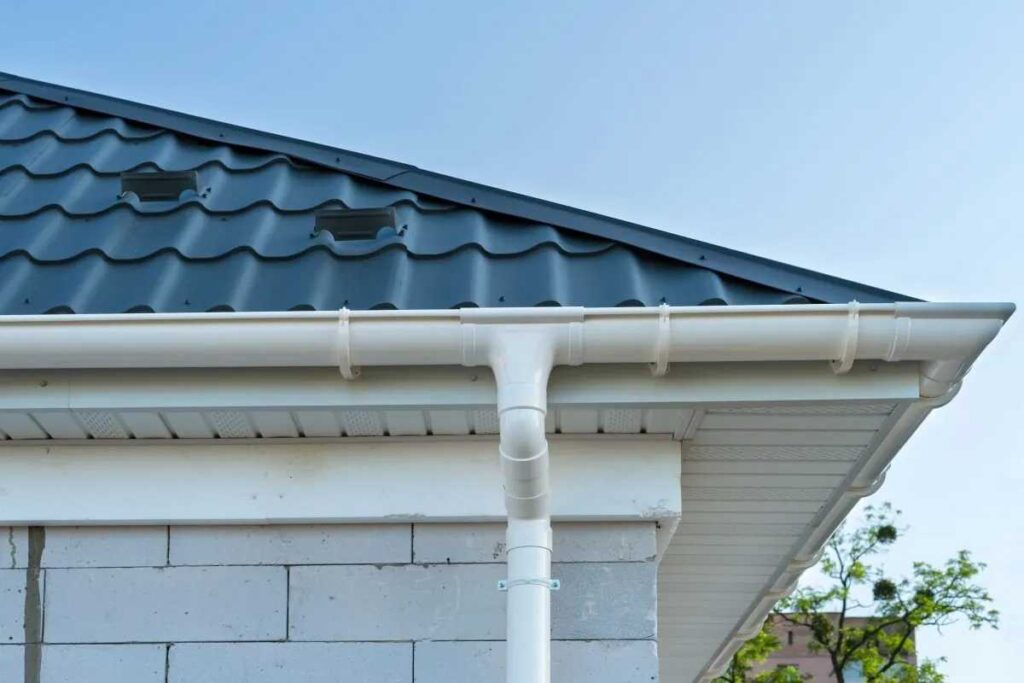
Why Gutters Matter
Your gutter system does five core jobs:
- Moves water away from your foundation and prevents basement leaks.
- Protects fascia, soffits, and siding from rot and staining.
- Reduces ice dam formation by clearing meltwater off the roof edge.
- Protects landscaping and walkways from washouts and ice sheets.
- Limits pest and mosquito growth by reducing standing water.
In the Capital Region, quick weather shifts test every joint and hanger. A small leak can become fascia rot fast. A slight sag can turn into an ice trap in January. That is why timely action matters.
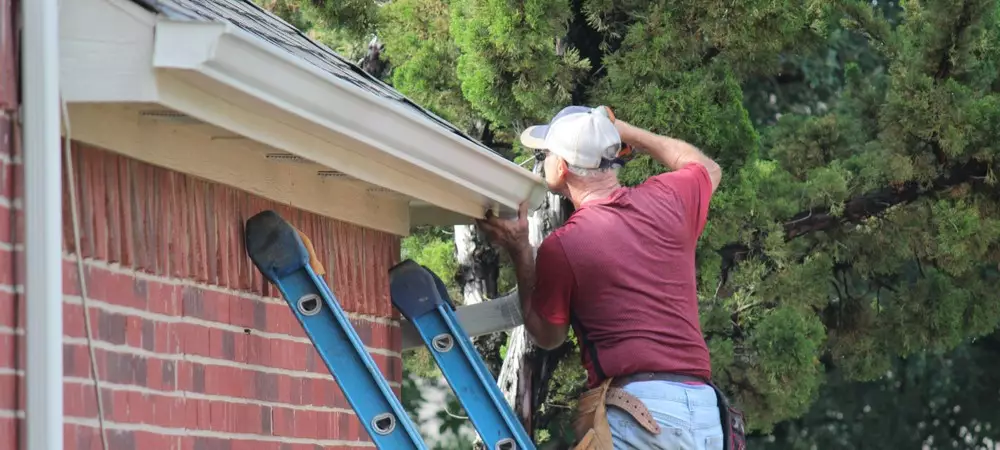
Signs You Need Repair vs Replacement
Repair Symptoms (minor leaks, loose joints, etc)
- Isolated drip at a seam or end cap.
- One or two loose hangers or spikes.
- Minor pitch issue on a short run.
- Small hole from corrosion or a fallen twig.
- Downspout elbow clog or crushed section you can swap.
- Short run detaching from fascia, but fascia is solid.
- Gasket wear on a hidden hanger, but other hangers hold fine.
Repairs make sense when damage is localized, materials are in good shape, and the fix restores full function. Use sealant for small leaks, add or replace hangers, correct slope, and clear clogs. If repairs will cost less than 30 percent of a new system and the gutters still have 5 or more years of life, a repair usually wins.
Replacement Symptoms (sagging, rust, major failure)
- Multiple sagging sections across long runs.
- Widespread rust or pitting in steel gutters.
- Frequent leaks at many seams or corners after recent repairs.
- Repeated ice dam issues due to poor pitch or undersized runs.
- Severe fascia rot behind several sections.
- Crushed or bent runs from ladders or snow slides.
- Improper sizing or poor layout causing overflow in normal rain.
- Seam separation on half or more of the system.
When problems are many and spread out, full gutter replacement often costs less over five to ten years than patchwork fixes. If your gutters are 20 years old or more and you see recurring issues, replacement is likely the right move.
Risks of Delaying Gutter Work
- Foundation stress: Poor drainage sends water to the base of your home. This can cause cracking and basement seepage.
- Fascia and soffit rot: Leaks and backflow soak wood trim. Repairs get more expensive the longer water sits.
- Siding damage: Overflow can stain, warp, or rot siding.
- Ice hazards: Standing water freezes. You get heavy ice at the eaves and dangerous icicles over walkways.
- Roof damage: Water backs up under shingles, then freezes and expands.
- Pests: Stagnant water attracts mosquitoes. Debris can invite birds and rodents.
- Interior leaks: In bad cases, you can see stains in ceilings or walls near exterior edges.
A small sag in October can be a large ice dam in January. Address minor issues before the first deep freeze.
Comparing Gutter Repair and Replacement Costs
Use cost bands and lifespan math to decide. The numbers below reflect typical Capital Region pricing. Homes vary by height, access, material type, and complexity.
| Work Type | Typical Scope | Estimated Cost | Expected Benefit |
|---|---|---|---|
| Minor repair | Seal one seam, add a hanger, clear a clog | $150 to $350 | Stops a leak or sag in one spot |
| Moderate repair | Replace 10 to 20 feet, fix a corner, add downspout section | $300 to $900 | Restores function for a small area |
| Large repair | Multiple sections, pitch correction, several corners | $900 to $1,800 | Good when the rest of the system is sound |
| Full replacement: aluminum | K-style 5 or 6 inch, seamless runs | $7 to $15 per linear foot | 15 to 25 years with maintenance |
| Full replacement: steel | Coated steel gutters | $10 to $18 per linear foot | Durable, heavier, good for snow load |
| Full replacement: copper | Premium material | $25 to $45 per linear foot | 50+ years with care |
| Downspout work | Replace one or more downspouts | $150 to $400 each | Improves flow and reduces overflow |
Rules of thumb:
- If repair cost exceeds 30 to 40 percent of full replacement, compare warranties and expected lifespan. You may get better long-term value from new gutters.
- Older than 20 years and showing widespread leaks or sagging: replacement is often the better call.
- Home height adds cost. Two and three story homes raise labor and safety requirements. Factor this into repeated repair visits.
- Seamless aluminum fits many homes and budgets. Steel can handle heavy snow areas and long runs. Copper suits historic homes and coastal-grade longevity.
When you factor time, safety, and repeat service fees, full gutter replacement can beat multiple repair trips over a five year period.
Budget-Savvy Tips to Extend Gutter Life
- Clean twice a year minimum. In wooded neighborhoods, plan quarterly checks.
- Install screens or guards that match your debris type. Large-leaf screens for oaks and maples. Fine mesh for pine needles.
- Check pitch with a level. You want about 1/4 inch drop for every 10 feet toward the downspout.
- Add hangers every 24 to 36 inches. Tighten old spike-and-ferrule systems or upgrade to hidden hangers with screws.
- Seal inside seams with high-grade gutter sealant. Apply on dry, clean metal.
- Extend downspouts 4 to 6 feet away from the foundation. Use rigid extensions or buried drain lines.
- Install splash blocks where grade slopes back toward the home.
- Trim branches that hang over the roof. Reduce heavy leaf loads and impact damage.
- Add heat cable in chronic ice areas. Use a thermostat control to avoid waste.
- Inspect after every major storm. Catch loosened brackets or tree strike damage early.
Capital Region Seasonal Factors That Affect Decision
Albany and surrounding towns face four distinct seasons that influence gutter performance and timing.
Winter: Snow, ice, and freeze-thaw
- Ice weight stresses hangers. Weak points sag and pull fasteners.
- Repeated freeze-thaw opens seams. Old sealant cracks.
- Late fall repairs that address pitch and drainage reduce ice dams and midwinter emergencies.
Spring: Thaw, wind, and roof melt
- Meltwater tests capacity and downspout layout. Overflow points show up now.
- Wind can shift long runs if hangers are too far apart. Look for new gaps or racking.
- Use spring to assess lingering winter damage and plan targeted fixes or replacement.
Summer: Heavy rain and hail
- Downpours test seam integrity and outlet size. If corners leak in summer storms, seams or sizing need work.
- Hail can dent aluminum. Dents near outlets can trap debris.
- Now is a good window to complete full installs before fall leaf drop.
Fall: Leaf and needle load
- Maple and oak leaves fill runs. Pine needles bridge screens. Clean early and often.
- Schedule inspections and cleaning before first freeze. Wet debris becomes heavy, then solid ice.
- If you need pricing guidance for smaller fixes, review this gutter repair cost and tips for homeowners resource. For vertical drainage planning, see this downspout repair cost breakdown.
Plan work by season. Repairs fit well in spring and early fall. Full installs slot best in late spring through early fall when sealants cure fast and crews have safer roof access.
When Hiring a gutter replacement Expert Is the Right Choice
- Multiple sections sag or leak. You would chase issues across the home.
- Your gutters are 20 years old or more. Materials and sealants are near end of life.
- Second or third story work. Safety and access need trained crews and proper fall protection.
- Fascia is soft or rotted. You need carpentry repairs before new hangers go in.
- Undersized system. 5-inch gutters overflow under normal rain. You need 6-inch runs and larger outlets.
- Layout is wrong. Not enough downspouts or poor placement for roof valleys.
- You want seamless runs, custom corners, and color-matched components.
- You want a clean, warrantied result done on a tight timeline.
Pro crews also handle disposal, protect landscaping, and check pitch with proper tools. The finished system looks better and drains better.
How Oleg Helps You Choose Smart
Oleg brings a simple, direct process. You get clarity fast and without pressure.
- Walkthrough and listening session: You share leaks, overflow points, and goals.
- Full perimeter inspection: Oleg checks pitch, seams, hangers, outlets, and fascia condition.
- Photo and video proof: You see exactly what he sees, including hidden trouble spots.
- Water flow test: If weather allows, he runs water to confirm slope and outlet performance.
- Root cause report: He explains whether issues come from pitch, sizing, debris, or material failure.
- Repair vs replace math: Clear estimate for both paths when viable.
- Material options: 5 or 6 inch, aluminum, steel, or copper. He reviews pros and cons for your roof and tree cover.
- Downspout strategy: He sizes outlets and maps discharge away from the foundation.
- Warranty review: You get parts and workmanship details in writing.
- Clean site promise: Protection for shrubs and paths. Full cleanup at the end.
His goal is long-term performance. If a repair will hold and save you money, he will tell you. If a replacement prevents repeat service calls, he will show you the numbers so you can decide with confidence.
Step-by-Step Gutter Condition Checklist
Set aside 45 to 60 minutes. Use a sturdy ladder, gloves, a level, a measuring tape, a bucket, and a hose.
- Safety first: Stable ladder on level ground. Have a helper if possible.
- Visual scan from the ground: Look for visible sags, separations, and stains on siding.
- Check downspouts: Confirm every spout is connected. Look for crushed elbows or missing straps.
- Inspect hangers and spikes: From the ladder, tug gently on the front lip. If it flexes easily, add hangers or tighten fasteners.
- Test pitch: Place a 2 to 3 foot level in the trough. You should see a slight drop toward the outlet.
- Look for seam cracks: Pay attention to inside corners and end caps.
- Clean and flush: Scoop debris into the bucket. Run water from the high end toward the outlet.
- Watch flow: Note any pooling spots or slow drains. Mark them with painter’s tape.
- Check fascia: Probe wood behind gutters with a small screwdriver. Soft wood indicates rot.
- Downspout discharge: Confirm water exits at least 4 feet from the foundation. Add extensions if needed.
- Record trouble areas: List location, type of issue, and severity.
- Decide path: If two or fewer areas need light work and the rest looks solid, plan repairs. If problems span more than a third of the system or wood is soft, consider full gutter replacement.
The True Long-Term Value of Smart Gutter Work
Look beyond upfront price. Think lifecycle cost and risk reduction.
- Fewer service calls: One quality install avoids several repair visits.
- Lower water risk: Dry basements and protected framing save thousands.
- Better winter performance: Correct pitch and sizing reduce ice formation.
- Higher curb appeal: Straight, color-matched gutters improve the look of your home.
- Stronger resale story: Buyers like recent exterior upgrades and clean inspection reports.
Simple ROI snapshot
Example: Your home needs three repair visits this year at $350 each. That is $1,050 with no warranty on aging material. A full replacement estimate is $2,900 with a warranty and 15 years of expected life. If you avoid two more repair years at $700 to $1,000 each, the new system pays for itself in avoided work and risk. You also reduce the chance of a costly interior leak.
Conclusion
Use symptoms, cost thresholds, and seasonal timing to decide your next step. Repairs make sense for isolated leaks, short sags, and younger systems. Replacement wins when problems are widespread, the system is old, or layout and sizing are wrong for Capital Region weather. If you need a clear plan and a fair quote for gutter replacement or targeted fixes, contact United Gutters. Oleg will inspect, explain the options, and help you choose the best fit for your home and budget.
