

Best Time of Year for Gutter Cleaning and Repair in Upstate NY
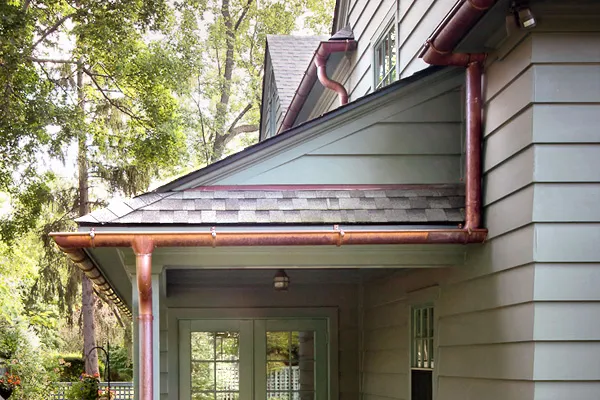
Upstate New York homeowners face a unique climate: heavy snowfall, spring thaws, summer downpours, and autumn leaves all impact your home’s drainage. Choosing when to install new gutters (or schedule critical gutter cleaning and repair) can mean the difference between a smooth project and seasonal headaches. Timing affects everything from sealant performance to contractor availability and even your return on investment. This guide examines each season’s pros and cons for gutter work, with data-driven insights tailored to the Albany/Capital Region climate. (Did you know a few inches of rain on an average roof can produce thousands of gallons of runoff? Properly timed gutters are your home’s first line of defense.) In the sections below, we’ll explore how Upstate NY weather windows, freeze-thaw cycles, and maintenance needs all factor into the best time for gutter cleaning and repair. (Spoiler: It pays to plan ahead!)
For homeowners planning ahead, scheduling gutter repair near me during early spring or late summer can help you avoid weather delays, lock in better pricing, and ensure your system is ready for Upstate New York’s heaviest rain and snow seasons.
United Gutters, a trusted Capital Region installer, notes that being strategic with timing not only protects your home but can also save you money in the long run. Let’s break down season by season why timing matters for your gutters.
Why Timing Matters for Gutter Cleaning and Repair
Weather and seasonality play a huge role in gutter installation success. In Upstate NY, winter cold and summer heat impose different challenges:
- Temperature Windows: Gutter sealants and caulks have optimal temperature ranges for curing. In cold weather, standard adhesives may not set properly. Professionals often use special cold-weather sealants or pre-warm materials when installing in winter. Conversely, extreme summer heat can cause rapid drying or make metal gutters uncomfortably hot to handle. For best results, many installers aim for mild days (around 50–80 °F) for gutter work.
- Material Performance: Vinyl gutters become brittle in freezing temps, raising the risk of cracks if handled or if ice forms. Metal gutters (aluminum, steel) hold up better in cold, but they expand and contract with temperature swings. For example, a 50-foot aluminum gutter installed at 30 °F can expand about 3/4 of an inch by the time summer heat hits. Without allowance for this expansion, gutters can buckle or pull away from the house over time. Experienced installers factor this in by using expansion joints or flexible hangers. Timing your install in moderate weather (spring or early fall) can minimize extreme expansion/contraction during the initial curing period.
- Freeze-Thaw Cycles: Albany averages ~64 freeze-thaw cycles per year (days that swing above and below freezing). Installing gutters just before these cycles ramp up (late fall) or during mid-winter means new seams and seals are immediately stressed by ice. Ice in gutters can also lead to ice dams, where melting snow refreezes at the eaves. According to IBHS, keeping gutters clear of debris before winter allows meltwater to flow freely, reducing ice dam riskibhs.org. In short, timing your gutter project to avoid peak freeze-thaw periods – or cleaning before they occur – is key to preventing leaks and damage.
- Precipitation & Storms: Upstate New York sees over 39 inches of precipitation annually, including heavy spring rain and snowmelt. Gutters need to be ready before these wettest periods. If you wait until, say, April to address failing gutters, you might already have basement leaks or erosion from March rains. Likewise, late-summer thunderstorms can dump inches of rain in hours. Installing new gutters ahead of the rainy season ensures your home is protected when those downpours hit. Many pros advise, “Replace gutters before the wet season arrives,” so your system can handle spring rains.
- Contractor Schedules & Costs: The home improvement industry has peak seasons. In Upstate NY, exterior contractors often book up in late spring and fall (everyone rushing to fix winter damage or button up before snow). Mid-summer can also be busy with construction. Off-peak times – winter and the fringes of summer – may mean shorter wait times and occasional discounts. For instance, some homeowners report better deals in winter when gutter companies are less busy. However, always weigh this against the challenges of winter installation. Quality should never be sacrificed for a lower price. If you do schedule in the off-season, verify the installer has experience with cold-weather techniques.
Bottom line: The “when” of gutter cleaning and repair is just as important as the “how.” Proper timing allows you to work with the weather, not against it. Next, we’ll examine each season in Upstate New York to see how timing your gutter project – be it a full install, replacement, or a much-needed repair – can set you up for success.
Spring — Pros, Cons & Prep
Pros: Spring is a popular time for gutter replacements and repairs, and for good reason. By early spring (March–April in Upstate NY), the deep freeze has usually passed – snow has melted and temperatures moderate, making installation easier on materials and crews. Sealants cure well in spring’s mild weather, ensuring watertight seams. Crucially, new gutters in spring are ready to handle the surge of water from spring rainstorms and snowmelt. (Albany’s spring precipitation is substantial – part of an annual ~39″ of moisture that can saturate soils.) If your old gutters struggled last spring (overflowing or sagging during the thaw), replacing them now means you won’t “ride out” another wet season with faulty drainage. Contractors also tend to have good availability in early spring before the late-spring home improvement rush. You may get quicker scheduling in March or April than if you wait until May.
Spring is also the ideal moment for a thorough gutter cleaning and repair session on existing gutters. Clearing out winter debris and inspecting for winter damage (loose fasteners, ice impact, etc.) will prep your gutters for the heavy use of spring. In fact, gutter experts note that a twice-annual cleaning schedule – once in spring, once in fall – can double the lifespan of some gutter systems compared to just annual cleaning. Use spring cleaning to spot any sections needing patching or re-pitching.
Cons: The downside to spring gutter projects is the unpredictable weather. Early spring can bring frequent rain (or even late snow). Frequent wet days might cause scheduling delays – installers need a dry day with safe roof conditions. Spring temperatures can also swing widely. A cold snap in March could momentarily stiffen sealants or make vinyl gutters finicky to work with. It’s wise to plan for installation in mid to late spring when consistent mild weather is more likely. Another consideration: by spring, contractors start to receive many calls (everyone who noticed gutter and roof problems over the winter). There can be a rush of work orders in April. Booking early (even in late winter) can help secure your preferred timing.
Prep Tips: As the snow retreats, do a walk-around inspection of your eaves and foundation. Look for any paint peeling or rot on fascia boards (the wood behind your gutters) – a sign gutters overflowed or ice backed up. Address fascia repairs before or during the gutter installation. Many gutter installers, including United Gutters, will replace rotted fascia as part of the job if needed (it’s essential for anchors to hold). Also, check that your roof’s drip edge is intact; if a drip edge is missing, consider having one installed along with new gutters to prevent water from sneaking behind the gutter.
If you’re replacing gutters, decide on material early. Spring is a good time to choose aluminum (a common choice in NY) or steel if you want extra strength for future winters. Avoid vinyl if your home sees lots of ice – vinyl’s lower 10–15 year lifespan can be even shorter in Clifton Park’s freeze-thaw climate (vinyl often cracks sooner under Upstate NY conditions). Aluminum or galvanized steel (properly coated) can last 20–40 years here with good maintenance. Knowing this, many homeowners schedule a spring gutter replacement around the 20+ year mark of their existing system. It’s far better to renew aging gutters in spring before the heavy spring rains hit, rather than after a failure. (For more on gutter lifespans and signs of failure, see our guide on How Long Do Gutters Last in Clifton Park NY which covers material durability in our climate.)
Finally, spring is a smart time to consider adding downspout extensions or French drains if water has been pooling near your foundation. The ground is soft enough to trench, and you’ll instantly benefit when spring storms arrive. By directing downspouts 5+ feet from the foundation (a Building America guideline), you greatly reduce basement seepage risk.
Summary (Spring): A prime window for gutter installation and heavy maintenance. Aim for early to mid-spring when temps are moderate. You’ll head into the rainy months with a robust, clean gutter system ready to protect your home.
Summer — Pros, Cons & Prep
Pros: Summer offers the steadiest weather for gutter projects in Upstate NY. From June through August, you’ll get warm temperatures and generally drier conditions (apart from intermittent thunderstorms). Installers love summer’s long daylight hours and predictability – no frost to contend with, and materials like aluminum are more pliable in warmth. In fact, many roofers and gutter pros consider summer ideal for replacement because “the weather tends to be drier and more stable”. Sealants cure quickly in the warmth, often achieving a good bond within hours. There’s also an immediate benefit: by installing or fixing gutters in summer, you prepare your home for late summer’s thunderstorms and even the occasional tropical storm remnants that can hit New York. These intense rain events can dump inches of water rapidly. New 6″ gutters with well-placed downspouts will channel those deluges away, protecting your foundation and landscaping when the ground is already saturated from summer rain.
Another pro: if your schedule missed the spring window, summer is your next best chance to act before fall and winter arrive. It’s common for homeowners to address issues in summer that were noted in spring. For instance, maybe you saw gutters overflowing in April but held off; scheduling a gutter cleaning and repair mid-summer (after spring seed pods and pollen have passed) can ensure the system is clear for the rest of the year. Summer is also a popular time to install upgrades like gutter guards (more on guards in the fall section) or to paint and seal gutters, since surfaces dry fast.
Cons: The biggest challenges in summer are heat and demand. Albany summers can see highs in the 80s and low 90s °F. Working on ladders in full sun can be taxing (though not a direct risk to gutter quality, it can impact crew endurance and thus project scheduling). Extremely hot days can cause metal gutters to expand slightly during installation – a professional will account for this when cutting lengths. (Remember that if you install gutters in peak summer heat, they’ll contract come winter. Proper hanger systems with some flex will handle this, but it’s another reason why precise installation matters year-round) On the homeowner side, expect many contractors to be busy with all kinds of exterior work in summer – roofing, painting, siding, etc. Lead times in June/July might be a few weeks out. By late July, some gutter companies actually hit a peak (especially if early summer storms revealed problems in many homes). To beat the rush, consider booking in early summer. Another con: summer foliage. If your home is surrounded by trees, early summer installs can occasionally get slowed by things like falling blossoms or sap (less of an issue than leaves, but sticky sap can make a mess). Crews will usually lay tarps to catch debris while working.
Prep Tips: Stay on top of summer maintenance. If you haven’t cleaned gutters since last fall, do so by early summer. Debris like helicopter seeds (maple seeds) in May or pine pollen clusters in June can clog downspouts by July. A mid-summer cleaning clears spring leftovers and can catch any issues (like loose spikes or minor sagging) that a repair crew can fix on the spot. This is especially important if you plan to install gutter guards later – you want a clean slate first.
During summer storms, do a quick performance check: after a heavy rain, look for any water overflowing. If you see overflow and the gutters are clean, it might indicate undersized gutters or too few downspouts for the roof area. Summer is a good time to upsize from 5″ to 6″ gutters or add an extra downspout, because installers can work in stable weather and you’ll immediately benefit in the next storm. (Homes with large or steep roofs in our region often need 6″ gutters and large 3″x4″ downspouts to handle torrential rain.)
Keep an eye on thermal expansion issues in midsummer. If you notice gutters bowing or pulling away at the center during the hottest days, it might be thermal stress – a sign that when they were installed (perhaps in cold weather previously) the installer didn’t allow for movement. A summer re-install or retrofit with expansion joints can solve this. For example, using hidden hangers with a screw-set that allows slight movement can prevent thermal bowing. Discuss this with your contractor if you’re replacing gutters in summer; they might install slip joints on very long runs as a precaution.
Summary (Summer): Overall, summer is excellent for gutter installation and major repairs. Aim for a window that avoids extreme heat if possible (early morning installs or target June/August instead of late July). Ensure your gutters are cleaned out by end of spring so they’re ready for any summer projects or inspections. A summer gutter upgrade or tune-up will fortify your home well before fall leaves and winter ice arrive.
Fall — Pros, Cons & Prep
Pros: Early fall (September into early October) often provides ideal working conditions for gutter projects in Upstate NY. Temperatures cool off from summer highs, but are not yet freezing – perfect for sealants and comfortable for crews. Rainfall in early fall is moderate and predictable. Importantly, installing or fixing gutters by fall means your home is prepared for the twin challenges of late autumn leaves and impending winter snow. Many experts actually consider fall the last wise chance to get your gutters in shape: “Winter elements can cause severe damage to an old or weathered gutter system, and you do not want to wait until it is below zero to have your gutters replaced,” one contractor cautions. Replacing aged gutters in fall ensures they can withstand heavy wet leaves, gusty fall storms, and the first freeze. It also spares you from dealing with emergency fixes in frigid weather.
Another big advantage of fall installs is you can pair it with roof and yard maintenance. For example, after most leaves have fallen, you might schedule a gutter replacement and simultaneously have the crew install gutter guards or perform a thorough cleaning. By late fall (November), the majority of leaves in Albany and the Capital Region are down. This timing is perfect to consider gutter guards – putting them on just after the trees are bare. A quality guard system (like micro-mesh guards) can block leaves and pine needles, reducing clogs by up to 70% year-round. Many Upstate NY homeowners choose to add gutter guards in fall so that come the next year, spring debris and autumn leaves are less of a hassle. (Our detailed guide Gutter Guards in Upstate NY: Are They Worth It? breaks down the cost-benefit — e.g. 44% of surveyed homeowners reported never cleaning gutters again after installing guards.) By installing such upgrades in fall, you immediately protect against leaf buildup and also help prevent winter ice blockages (some guards help mitigate ice dams by keeping gutters flowing, especially certain designs suited for snowy climates).
Cons: The biggest challenge in fall is timing and demand. Everyone wants their home winter-ready, so gutter contractors get very busy by October. If you wait until late fall to call, you might find schedules full or get pushed into a cold-weather installation in November/December. It’s best to plan a fall gutter project by late summer or very early fall. Another con: leaf interference. If you install gutters in mid-autumn when leaves are actively falling, those leaves can continuously clutter the work area and even immediately clog your brand-new gutters if no guards are installed. Installers working in October might need to repeatedly clear leaves out during the job. One workaround is to install in early fall before peak leaf drop, or do it right after the major drop and include a post-install cleaning. Similarly, roof debris (like twigs, acorns, pine needles) is at its peak in fall and can fill gutters quickly. Without guards, you’ll want to schedule a cleaning after the last leaves have fallen even if you got new gutters in September. Essentially, new gutters won’t stay clear by themselves through a Northeast fall.
Late fall also brings the risk of early snow or freeze. It’s not uncommon for Upstate NY to see a November snowfall or overnight freeze. Installing gutters during a hard freeze is not advised – sealants won’t cure properly and vinyl or rubber components become inflexible. If an early snow hits before your install date, there could be delays until it melts and the roof is safe. Moreover, any gutter work done after the first frost needs extra care: professionals will check that fascia wood isn’t icy (hangers should only go on dry surfaces) and that residual ice in the old gutters is removed. These factors can slightly complicate late-fall jobs and might incur a minor cost premium for the extra effort.
Prep Tips: Timing is everything. Book your fall gutter service early. If you aim for a late-September install, contact companies in August or early September. Ask them about contingency plans if leaves are a problem – many will include a final cleaning or come back to adjust things after leaves drop. If you’re getting guards, discuss which type works best for your trees (e.g., micro-mesh for pine needles vs. larger screen for oak leaves).
Before the install date, do a preliminary rake of nearby trees or at least clear your roof if it’s safe to do so – less debris to fall in while gutters are going up. Trim any overhanging branches that you’ve been meaning to cut; this not only reduces immediate debris, but also lessens the risk of branches crashing onto new gutters in winter storms. A good rule is keep branches 6–8 feet away from the roofline if possible.
If you’re holding off on full replacement but know your existing gutters have weak spots, at minimum get a fall gutter tune-up. This could include sealing up minor seam leaks, tightening loose brackets, and verifying downspouts are clear. Ensure your downspout extensions are in place and directing water away from the foundation (at least 5 feet) before the ground freezes. Any sagging sections should be rehung now; sagging invites water to pool and freeze into heavy ice, which often rips gutters off the house in winter.
For those opting for gutter cleaning and repair only (not full replacement) in fall, do it late – once the majority of leaves are down (typically early November in the Capital Region). This one big cleaning will carry you through winter. And remember IBHS’s advice: going into winter with clear gutters significantly reduces the chance of ice dams forming at the eaves. Clean gutters let meltwater flow rather than refreeze in place.
Summary (Fall): Early fall provides a sweet spot for installing new gutters or finishing up repairs under pleasant conditions. Your home will be armored for winter’s onslaught. Just plan ahead for contractor availability, and be mindful of leaves. Incorporating gutter guards or scheduling one last post-foliage cleaning will set you up well. By addressing gutters in the fall, you essentially “winterize” one of your home’s most important defense systems.
Winter — When It Can Still Work (and When to Wait)
Can you install gutters in Upstate NY winter? In a word, yes – but it’s not ideal unless necessary. Professional gutter companies do operate in winter and can successfully complete installations even in December or January, given the right conditions. Let’s explore the special considerations of a winter gutter project:
Advantages of Winter Installation: The main reason to do gutter work in winter is urgent need. If your gutters failed in late fall or you moved into a home without gutters, you don’t want to leave your foundation unprotected through freeze-thaw cycles. Water collecting near the foundation in winter can freeze and cause heaving, or seep in during thaws. Replacing damaged gutters immediately, even in winter, can prevent more severe issues like basement flooding or ice dams forming due to non-functioning gutters. Another potential perk: faster scheduling. Gutter contractors see a lull in mid-winter, so you might get an appointment within days. Some companies may offer off-season rates or discounts to keep crews busy (always ensure they still provide full quality and warranty, of course). If you can catch a milder winter week (temperatures in the 40s °F), a skilled crew can do the job almost as easily as in fall.
Challenges and Risks: Winter is by far the most challenging time to install gutters. First, there’s safety and feasibility: roofs and eaves may be icy or snow-covered, posing hazards. Installers need to clear snow/ice from the work area, which can add time and cost. Cold temperatures affect materials significantly. Adhesives and sealants become less effective below their rated temps – many standard gutter sealants need 40 °F and above to cure properly. If installed in sub-freezing weather, seams might not seal, leading to leaks come spring. However, specialized silicone-based sealants can be used in cold weather, and pros often keep these materials warm until application. Likewise, rubber gasket style connectors (used in some gutter systems) can stiffen up and not compress fully in extreme cold. Vinyl gutters are generally a no-go in winter – as noted, they get very brittle and can crack during handling or when drilled for fasteners. Aluminum and steel gutters hold up, but must be handled carefully to avoid denting cold metal.
Another risk: ice and thermal movement right after install. A gutter installed on a 25 °F day will be fully contracted (shortened). If we get an unseasonably warm winter day of 50–60 °F, that long gutter could expand a bit. Without expansion joints, that can put stress on endcaps and seams. Over the rest of winter, repeated freezes can cause small ice patches in gutters (especially if any debris was left); this ice adds weight and can pry apart improperly sealed seams. Essentially, winter installed gutters face a trial by fire (or rather, by ice). An inexperienced installer might see more call-backs for leaks in spring if they weren’t meticulous. This is why if you must do a winter install, it’s crucial to hire a seasoned company that has a protocol for cold-weather installs – like using extra hangers for support, cold-rated sealants, and scheduling a follow-up inspection in spring.
When to Wait: If your situation isn’t urgent – say you were considering an upgrade to larger gutters, but your current ones are serviceable – it may be wiser to wait until spring. Temporary measures can bridge the gap. For instance, if minor seams are leaking in winter, an interim fix is to clear any ice and apply a bead of gutter sealant on a warmer day (above 40 °F). It won’t be a perfect fix, but could hold water back until a proper spring repair. Likewise, if downspouts are dumping water too close to the house and you worry about foundation freeze, you can add inexpensive extensions (even plastic ones) during winter to carry water further away until a full install can be done. Focus on mitigating immediate damage: keep gutters clear of big icicles, use roof rakes to reduce snow load and the meltwater going into gutters (preventing ice dams), and monitor your basement for any moisture.
Tips for Successful Winter Gutter Projects: If you proceed, pick a day above freezing if possible. Many contractors will schedule installs during mid-day when temps peak, and may use heated garages or vehicles to keep materials warm prior to hanging. As a homeowner, ensure your driveway and areas around the house are cleared of snow/ice for the crew’s ladders. Discuss with the installer how they handle sealants – some use silicone-based sealants rated for -20 °F, which remain flexible and cure slowly but steadily even in cold. Ask if they use raytec hangers or similar heavy-duty hangers; these have a bit of give for expansion and are very sturdy, crucial in winter expansion/contraction cycles.
Also, be prepared for a slightly longer installation time. What might be a 4-hour job in summer could take 6+ hours in winter as workers move cautiously and possibly have to heat up certain components (there are cases of contractors using heat guns to warm a section of gutter for a tight fitting endcap, etc., as a workaround in freezing temps).
After installation, keep an eye on things through the winter. It’s wise to do a check during the first big mid-winter thaw (usually there’s a January or February thaw day). Walk around the house and look for any drips or leaks at seams while snow is melting. If you spot any, call the installer – reputable companies will come out and fix winter-installed systems as soon as weather allows. You should also plan on a spring follow-up: inspect all seams and re-seal any that show weakness, since the first few freeze-thaw cycles can sometimes reveal issues.
Summary (Winter): Winter gutter installation is feasible and sometimes necessary (especially to prevent ongoing water damage). You benefit from contractor availability and solving problems immediately, rather than risking your foundation or roof through winter. However, expect more caution and some limitations: materials and sealants need special handling, and extreme cold or storms can postpone work. If you choose this route, hire experienced professionals and use top-grade cold-weather materials. If the need isn’t critical, it’s usually best to hold off until the mercury rises. In the meantime, perform interim repairs and keep gutters as clear as possible to survive the winter.
Cost, ROI, and Longevity Factors
Timing your gutter project doesn’t just affect performance – it can also influence your budget and the long-term value you get from the upgrade. Here are some key financial and longevity considerations:
- Typical Costs: Gutter installation or replacement costs can vary by season and material. Nationally, the project runs about $1,300–$6,500 for an average home (approximately $4–$13 per linear foot). In Upstate NY, where many homes are two-story, expect the higher end if scaffolding or extra labor is needed. There isn’t a huge “seasonal discount” on materials – aluminum costs what it costs year-round – but labor promotions might pop up in slower months. However, don’t chase an off-season install purely to save a few dollars. It’s far better to have it done right in spring or summer than to gamble on a bargain winter job by an less experienced crew. To get the most value, comparison shop a few quotes regardless of season. And consider that if you delay a needed replacement by a season, any interim water damage (fascia rot, landscaping fixes, basement drying) could cost you more than the gutter job itself.
- ROI (Return on Investment): While new gutters might not boost home resale price dramatically (buyers simply expect a house to have functional gutters, much like tires on a car), they prevent loss of value by protecting your property. Think of gutters as a low-cost insurance policy for your home. Foundation repairs from water damage, for example, can cost tens of thousands of dollars. Avoiding one major issue easily pays back the $2–$5k expense of a quality gutter system. According to a 2025 industry analysis, gutter upgrades offer high ROI because they are relatively affordable yet safeguard multiple aspects of the home (foundation, siding, landscaping)l. New gutters also improve curb appeal – clean, nicely trimmed gutters (especially seamless ones with a color match to your trim) signal a well-maintained home. This indirectly supports your home’s value. If you plan to sell your home in the next few years, installing new gutters at the right time (ideally a year or more before sale) can prevent inspection issues. Savvy buyers in the Albany area often ask about basement water; having a newer gutter system with extensions is a big plus.
- Longevity Factors: How long your gutters last will depend on material and how well you time and maintain them. Common gutter materials have these typical lifespans in our climate: Aluminum: 20–40 years, Galvanized Steel: ~20–30 years, Copper: 50+ years, Vinyl: 10–15 years. Notice the ranges are broad – that’s where maintenance and climate come in. Upstate NY’s heavy snow loads and ice can shorten these spans if gutters are not installed and cared for properly. For instance, aluminum might last closer to 40 years if kept clean and not banged up by ice; but if you never clean it and ice dams form, you might start seeing seam leaks or sagging in 20 years or less. One remarkable stat: increasing cleaning frequency from once to twice a year can significantly reduce wear and prevent many problems. It’s the freeze-thaw and corrosion from debris that usually kill gutters early. By timing your cleanings in late fall and early spring, you remove the main threats (decaying leaves and ice expansion).
Also, consider timing of upgrades for longevity. If your area is prone to ice dams (common in older homes in Albany with poor attic insulation), you might invest in heated gutter cables or a hot-edge system in the fall before winter hits. This can greatly extend gutter life by preventing massive ice buildup that warps gutters. Similarly, installing gutter guards at the right time (as discussed, after leaves drop) keeps debris out and slows down rust and rot – metallic gutters often fail first at clogged areas where water sits and corrodes the metal. A United Gutters review of homeowners found that 82% with good gutter guards could cut cleaning to once a year or less, which suggests less standing debris and longer material life.
Warranty is another longevity aspect tied to timing. Many professional gutter installations come with a warranty (say 20 years for materials, or a few years on labor). These warranties often require regular maintenance (e.g. you can’t never clean the gutters and then claim warranty when they overflow). If you get new gutters in fall, be sure to still inspect them in spring for any issues and clear out whirlybird seeds or pine pollen. Keeping a record of cleaning (even DIY logs) can help if you ever need to make a warranty claim – it shows you didn’t neglect the system. Check if your installer offers a maintenance plan; signing up for a spring/fall service might even extend their warranty on workmanship.
Finally, timing replacement just before a material fails completely is key. If you have an old steel gutter that’s 25 years old and rusting, don’t wait for it to develop dozens of leaks or detach during a snowstorm. Proactively replacing at, say, year 20–25 (for steel) in a dry period (summer) saves you the potential water damage that could occur if it failed in the middle of a storm. It’s the concept of planned replacement. This is where an inspection every year or two pays off – you might notice in fall that many hangers are loose or rust holes are starting; rather than patch repeatedly, schedule a replacement in the upcoming spring. You’ll avoid the scenario of emergency replacement in January because the gutter fell off under ice weight.
In summary, investing in gutters at the right time yields a high ROI by avoiding costly repairs, and strategic timing coupled with regular cleaning maximizes their lifespan. A well-timed project – done in fair weather by skilled installers – means your gutter system will likely outlast its expected life, giving you decades of worry-free performance.
Common Mistakes & How to Avoid Them
Even the best timing won’t help if the installation or upkeep is done incorrectly. Here are some common gutter mistakes Upstate NY homeowners should watch out for (and tips to avoid them):
- Improper Slope (Pitch): Gutters need a gentle slope toward downspouts. A classic rookie mistake is installing them dead-level or with too much tilt. Too little pitch and water pools instead of flowing (leading to sludge buildup, mosquito breeding, and rust in metal gutters). Too steep a pitch and water rushes so fast it can overshoot the downspout or cause noise and erosion where it exits. The ideal is about 1/16 inch drop per 1 foot of gutter run, or roughly 1/2 inch for every 10 feet. This looks almost level but ensures drainage. Avoid long stretches with no pitch by splitting runs – on a long roofline, it’s better to have a high point in the middle and slope down in both directions to downspouts at each end, rather than trying to slope 40–50 feet continuously in one direction. How to avoid: Hire experienced installers who measure and snap a chalk line for the slope. If DIYing, use a level and mark a decline of ~0.5″ per 10′. And periodically check installed gutters (pour water with a hose): if you see standing water after it drains, adjust the hanger heights to introduce a bit more pitch in that section.
- Too Few Downspouts: Oversimplified gutter jobs might skimp on downspouts. Each downspout can only handle so much water. Building codes and best practices often recommend a downspout every 20–40 feet of gutter, depending on roof area. If you only have one downspout on a long run, heavy rains will overwhelm the gutter – water will gush over the sides mid-run. Likewise, if your downspouts are undersized (2″x3″ on a big roof) or clogged frequently, it’s as bad as not having enough. How to avoid: Ensure your gutter design includes sufficient downspouts. For complex roofs, have downspouts at each major roof section. Consider upsizing to 3″x4″ rectangular spouts (or 4″ round) which can carry roughly double the water of the smaller ones. If adding downspouts isn’t feasible, you can install internal downspout diverters (little dam-like devices that split flow toward multiple exits) – but adding proper downspouts is usually the best fix. Internally, don’t neglect to extend downspouts well away from the foundation (at least 5’); short downspouts that dump at the foundation are a recipe for basement water, a very common mistake.
- Inadequate Gutter Support: Gutters should be attached with robust hangers or straps at regular intervals. A frequent installation mistake is spacing hangers too far apart – or using flimsy spikes that have already loosened. In snowy regions like Upstate NY, gutter hangers should be no more than 24 inches apart (2 feet), and even closer (18″) for heavy steel gutters or areas with extreme snow loads. If hangers are 3+ feet apart, the gutter will bow in the middle under the weight of water, wet leaves, or snow, causing sagging. Eventually, sections can pull away from the house. How to avoid: Use high-quality hidden hangers (preferably screw-in types, not just long nails). Space them every 2 feet or less. Always add extra hangers near corners and at downspout outlets, where stress is higher. After any major storm or annually, do a quick check: if you can see a gutter bending or hear it creaking in wind, you may need more support. Many older homes with spike-and-ferrule hangers (the long nails) can be retrofitted with new hidden hangers in between to tighten things up.
- Poor Placement and Drip Edge Errors: The gutter’s positioning under the roof edge is critical. Push it too far under the eave, and rain (especially if it sheets off a steep roof) can fly over the gutter. Hang it too far outward, and water might drop behind it, especially in windy rain. There’s also the drip edge factor: a roof should have a metal drip edge flashing that directs water into the gutter. Without it, water can wick back under the shingles and behind the gutter board, rotting the fascia. Some common mistakes are not installing a drip edge when needed, or not tucking the gutter up to be just under the drip edge. How to avoid: Ensure a drip edge is present along your roofline (required by modern building codes in most areas). The gutter should be mounted so that its back is behind the drip edge, or a gutter apron flashing is installed to bridge any gap. Typically, about half of the gutter’s width should sit beneath the roof edge. As a rule, when you look up at your gutter, you should see the roof shingles extending about an inch or so over the gutter; the gutter should not be set way down or way out. Professional installers often use a string line to ensure straight, correctly positioned gutters.
- Overlooking Expansion/Contraction Needs: We touched on thermal expansion – it’s often overlooked in DIY installs. Using one continuous 50-foot gutter without any allowance can lead to the gutter “self-destructing” over a couple of years of seasonal movement. Similarly, tightly screwing in downspouts or corner pieces without slip joints can cause materials to crack at joints. How to avoid: For long runs, ask for an expansion joint (these are specialized two-piece couplers that allow movement) typically every 40-50 feet. If not using formal expansion joints, at least be aware that aluminum expands ~1/8 inch per 10 feet for a 50 °F change – leave a small gap at corners that’s sealed with a flexible sealer. Use hangers that lock gutters in but don’t clamp them so rigidly that they can’t slide a fraction of an inch. The Ned Stevens gutter experts in Long Island note that using high-quality alloy hangers can give the gutters “the support they need with enough leeway for expansion”. Essentially, don’t “pin” everything in place with no flexibility.
- Wrong Gutter Size or Type: Installing a gutter that is too small for the roof’s watershed is a mistake that becomes evident in the first downpour. Likewise, using sectional gutters with many seams on a long run (where seamless would be better) introduces leak points. In Upstate NY, 5-inch K-style aluminum gutters are standard on most homes, but large or complex roofs often benefit from 6-inch. Using 5″ where 6″ is needed (or too few downspouts as above) is a sizing mistake. Another error can be using cheaper materials that aren’t suited for the climate – e.g., lightweight vinyl on a tall multi-story home that gets a ton of snow. How to avoid: Have a professional do a gutter capacity calculation (considering roof area, slope, and rainfall intensity). They can tell you if 6″ gutters or extra downspouts are needed. Lean towards seamless gutters if possible – cut on-site to the lengths needed – to eliminate many seams. Modern seamless aluminum is affordable and drastically reduces leaks compared to piecing together 10-ft sections from the hardware store. Save sectional DIY gutters for small shed projects, not your main house.
- Neglecting Maintenance (Post-Installation): A very common “mistake” is assuming once new gutters are up, you’re done forever. Even the best gutter system needs regular cleaning (unless you have top-tier guards) and inspections. Failing to clean gutters, especially after leaf season, leads to clogs that defeat the whole purpose of having gutters. Water will spill over, potentially causing all the same damage as if you had none. Clogged gutters in winter become heavy ice-filled troughs that can tear away under weight. How to avoid: As we’ve stressed, clean at least twice a year – late spring and late fall. If you have dense tree cover, consider mid-summer and late fall, or invest in gutter guards (which themselves will need clearing of surface debris a couple of times a year, but it’s much easier). Also, make it a habit each year to walk around after heavy rain and observe your gutters in action. Spot any overflows or drips and address them. Tighten any loose hangers – expansion/contraction and heavy wind can wiggle screws loose over time. Keeping up with minor fixes will prevent most major failures.
- Improperly Handling Runoff: Finally, a mistake beyond the gutters themselves is not managing where the water goes after the downspout. If you just let it pour next to the foundation or onto a walkway, you can cause foundation seepage or icing on sidewalks. We see this often: a beautiful gutter installation dumping all water at the corner of the house with no extension – leading to a perpetually wet corner basement. How to avoid: Use downspout extensions or underground drain lines to carry water away. Aim for at least 5–6 feet from the house, or tie into storm drains if your area permits. Use splash blocks on the ground to prevent soil erosion where water exits. In winter, if you have extensions that could freeze, consider flip-up extensions you can close in winter, but then be vigilant about clearing the outfall area of snow. Essentially, sending water far from the foundation is part of a correct gutter system design.
By avoiding these common pitfalls, you’ll ensure that the money and effort you put into your gutter cleaning or installation pays off. A properly pitched, well-supported, adequately sized gutter system with clear downspouts and regular upkeep will protect your Upstate New York home for decades. As one more tip: always follow manufacturer or installer guidance on your specific system – for example, don’t ignore any recommended mid-winter checkups or retightening schedules they suggest. Attention to detail in both timing and technique is what makes the difference between a troublesome gutter system and a trouble-free one.
Conclusion
Timing truly matters when it comes to gutters. By now, we’ve seen how each season in the Capital Region presents its own set of opportunities and obstacles for gutter installation and maintenance. So when is the best time? For most Upstate NY homeowners, spring and early summer are optimal – you can inspect after winter, address issues in pleasant weather, and be ready before the heaviest rains. Late summer into early fall is a close second, allowing you to fortify your home just before leaves and snow arrive. Winter installations, while possible, should be reserved for urgent situations. The key is to plan ahead: don’t wait until your gutters are hanging off the house or your basement has flooded to take action.
In practical terms, consider this seasonal decision framework:
- Spring (Mar–Apr): Best for replacing old gutters discovered over winter, adding new systems before spring storms, and doing deep cleaning. Moderate weather helps ensure quality installs.
- Summer (Jun–Aug): Great for stable, dry installs. Tackle upgrades like larger gutters or extra downspouts to handle summer thunderstorms.
- Fall (Sep–Nov): Ideal for last-minute replacements and adding gutter guards. Prep the system for winter by cleaning after leaves fall. Do not delay past mid-fall if avoidable.
- Winter (Dec–Feb): Only install if necessary (to prevent active damage). Use professionals with winter experience. Otherwise, perform temporary fixes and schedule a permanent solution come spring.
By aligning your gutter cleaning and repair efforts with Mother Nature’s cycles, you’ll extend the life of your gutters and protect your home when it needs it most. Water management around the home is all about staying proactive – a little foresight goes a long way toward avoiding rot, leaks, and foundation issues.
As a final note, every home is a bit different. If you’re unsure about the state of your gutters or the right timing for service, it’s wise to consult with a local expert. Reach out to United Gutters for a professional evaluation – they can recommend the best seasonal game plan for your specific property (and budget). With the right timing and care, your gutters will reliably shield your Albany/Upstate NY home from water damage for many years to come.
