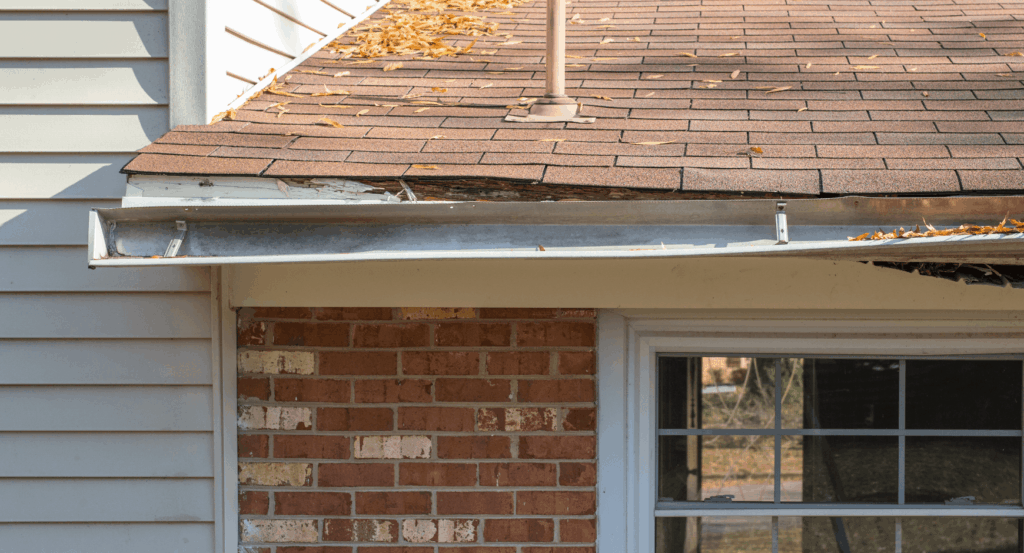

Gutter Repair Near Me: 9 Signs Your Gutters Need Attention

gutter repair near me
Summary
  • Spot 9 clear signs your gutters need attention before leaks damage fascia, siding, or your foundation.
  • Use same-day fixes you can do safely or schedule fast service to stop active leaks and clogs.
  • See typical repair costs in Albany and Upstate NY, with factors that raise or lower price.
  • Know when a full replacement beats repeat repairs over the next 3 to 10 years.
  • Follow the checklist to assess gutters after storms, freeze-thaw cycles, and leaf drops.

Gutter Repair Near Me: 9 Signs they Need Attention, Same-Day Fixes & Typical Costs

Gutters do a simple job. They collect roof runoff and move it away from your home. In Albany and across Upstate NY, that job gets harder with heavy fall leaves, winter snow and ice, and fast spring thaws. If you are searching for practical answers on gutter repair near you, this guide gives you clear signs to watch, quick fixes you can do today, and fair price ranges to help you plan.

If you’re unsure whether you need a simple cleaning, a repair, or a full system upgrade, talking with a local expert who specializes in gutter services can help you make the right call before damage spreads. A quick assessment can pinpoint issues early and keep your home protected year-round.

Why Your Gutters Matter Year-round in Upstate NY

Water is constant here. We see frequent rain in spring and fall, heavy leaf drop in October and November, and long freeze-thaw cycles from December through March. Snow loads and ice dams push on gutter hangers. Early spring thaws send large volumes of water down your roof in a few hours. Every season can expose weak seams, loose hangers, and clogged downspouts.

What your gutters protect

  • Roof edges and fascia boards
  • Siding and window trim
  • Foundation, slab, and basement
  • Walkways, landscaping, and soil grading
  • Attic and wall cavities from hidden moisture

Seasonal risk snapshot for Albany and nearby towns

Month      Main Risks                       Maintenance Focus
Oct–Nov    Heavy leaves, early freeze       Clean gutters, check guards, secure hangers
Dec–Jan    Snow, ice, ice dams              Check slope, add heat cable if needed, clear downspouts
Feb–Mar    Freeze-thaw, fast melts          Inspect seams, seal leaks, extend downspouts
Apr–Jun    Spring rains, storm debris       Re-level sections, reattach loose elbows, flush lines
Jul–Sep    Thunderstorms, wind              Tighten fasteners, replace damaged sections

What Are the Top 9 Signs of Gutter Damage?

Watch for these nine issues during your next walk-around. Catching them early keeps repair costs lower.

  1. Overflow during rain Water spills over the front edge. This points to clogs, improper slope, or undersized downspouts.
  2. Drips at seams or corners Seams dry out or crack. Corner miters often leak first.
  3. Sagging or pulling away Hangers pulled out or fascia rot. Sections may be heavy with debris or ice.
  4. Water stains on siding or fascia Brown or black streaks mark overflow or leaks. Paint may peel near the top of walls.
  5. Pooling near the foundation Downspouts end too close. Extensions are missing or too short.
  6. Visible cracks, holes, or corrosion Sun, ice, or salt exposure can open holes. Steel can rust. Aluminum can pit.
  7. Separated joints or loose elbows Downspout joints come apart with vibration, ice, or wind.
  8. Gutter guards lifting or clogged Debris mats on top cause overflow that looks like a leak.
  9. Ice dams or thick icicles Heat loss from the roof and poor drainage trap ice in troughs and valleys.

Which signs are urgent?

  • Sagging can tear off fascia and drop water near your foundation. Treat as urgent.
  • Active leaks can enter walls. Seal the same day if possible.
  • Foundation pooling after storms can lead to basement moisture. Add extensions right away.

Same-Day Fixes for Common Gutter Issues

Some problems have fast, safe remedies you can complete in a few hours. Only work on gutters if you are comfortable on ladders and can do the job safely with a helper. If not, schedule a pro visit.

Tools and supplies to have on hand

  • Sturdy ladder with standoff stabilizer and a helper
  • Work gloves and eye protection
  • Bucket or contractor bags
  • Gutter scoop or small plastic trowel
  • Garden hose with spray nozzle
  • Gutter sealant rated for wet surfaces
  • Replacement hangers and 1.5 to 2.5 inch exterior screws
  • Downspout screws, straps, and elbows as needed
  • 2 to 4 foot splash blocks or flexible downspout extensions

Fast fixes you can do today

1) Stop a seam or corner drip

  1. Clear debris 1 to 2 feet on both sides of the leak.
  2. Dry the area with a cloth if possible.
  3. Apply gutter sealant along the seam or inside the miter. Smooth it with a gloved finger.
  4. Recheck during the next rain and add a second bead if needed.

2) Re-secure a sagging section

  1. Remove debris to reduce weight.
  2. Find studs or rafters behind fascia.
  3. Replace or add hangers every 24 to 36 inches.
  4. Set a slight slope toward the downspout about 1/4 inch every 10 feet.

3) Clear a clogged downspout

  1. Disconnect the bottom elbow.
  2. Flush from the top with a hose. If blocked, push a plumber’s snake or a long stick down from the top.
  3. Reattach elbows with new screws. Add a strap if the pipe moves.

4) Extend runoff away from your foundation

  1. Attach a 2 to 4 foot extension or add a splash block.
  2. Check that water flows at least 3 to 5 feet from the foundation.

5) Quick winter steps for icicles and ice dams

  • Use a roof rake to pull snow off the first 3 to 4 feet of roof.
  • Clear downspout openings so meltwater can drain.
  • Avoid chopping ice on the gutter. That can bend troughs or break seals.

When to skip DIY and call for service

  • Two-story work without proper ladders
  • Rotten fascia boards
  • Heavily bent or twisted sections
  • Active leaks into interior walls or ceilings

Typical Costs for Local Gutter Repairs

These price ranges reflect common rates seen in Albany and Upstate NY for aluminum or steel systems on single-family homes. The final price depends on height, access, slope corrections, and material. Copper and half-round systems cost more.

Repair TypeWhat It IncludesTypical CostTypical Time
Leak seal at seam or cornerClean area, reseal seams, test flow$120 to $275 per leak30 to 90 minutes
Replace corner miterNew miter, sealant, fasteners$150 to $350 each1 to 2 hours
Rehang or add hangersNew hangers every 2 to 3 feet, re-slope$5 to $12 per linear foot2 to 6 hours
Downspout repairElbows, straps, reconnection$90 to $220 each45 to 120 minutes
Replace short gutter section4 to 10 foot section, match material$12 to $24 per linear foot1 to 3 hours
Fascia spot repairCut out rot, new board, seal$8 to $16 per linear footVaries by extent
Heat cable install at eavesSelf-regulating cable, clips, controller$12 to $20 per linear foot2 to 6 hours
Full gutter cleaning add-onHand clean, flush, bag debris$125 to $275 single story1 to 2 hours

What drives cost higher in Albany and Upstate NY?

  • Two or three stories Increases ladder setup time and safety steps.
  • Poor access Steep grades, decks, or tight alleys slow the job.
  • Material Copper and half-round are premium. Custom colors may add cost.
  • Rot If fascia or soffit are compromised, expect carpentry add-ons.
  • Severe ice damage Bent sections need replacement, not only sealant.

When is Full Replacement the Smarter Option?

Repairs are cost-effective when damage is limited. Replacement starts to make more sense when one or more of these apply.

  • Over 35 percent of the system needs work Multiple leaks, sagging runs, and failing downspouts add up fast.
  • Old sectional gutters with many seams Seamless aluminum reduces leak points and long-term maintenance.
  • Chronic overflow despite cleaning Gutters may be undersized for your roof area or pitch.
  • Widespread fascia rot You will need carpentry and new hangers to hold a new system safely.
  • Major hail or branch impact Dents and bends disrupt slope and flow.

What should a new system cost here?

  • Seamless aluminum K-style About $9 to $18 per linear foot installed depending on home height and options.
  • Galvanized or painted steel About $12 to $20 per linear foot.
  • Copper Often $30 to $45 per linear foot or more.

A typical Albany home with 150 linear feet of gutter may see $1,350 to $2,700 for seamless aluminum, more for steel or copper. Downspouts, extra miters, guards, and heat cables add to the total.

Comparing Long-Term Costs of Repair vs Replacement

Use this simple comparison for planning. Costs are estimates for a 150 linear foot home in our area.

ScenarioYear 1Years 2–3Years 4–55-Year Total
Patch repairs as needed$450 to $900$300 to $750$300 to $900$1,050 to $2,550
Rehang + slope correction$900 to $1,800$150 to $400$150 to $400$1,200 to $2,600
New seamless aluminum$1,350 to $2,700$0 to $250 cleaning$0 to $250 cleaning$1,350 to $3,200

If your current system needs frequent fixes and has slope issues, a new seamless system can be cost-competitive within five years and will perform better during storms and freeze-thaw cycles.

How Albany’s Seasons Make Gutter Upkeep Even More Important

Leaves and pine needles clog gutters in fall. Snow and ice push on hangers and seams all winter. Spring sends fast meltwater that overwhelms small or clogged downspouts. You can reduce risk with proper sizing, professional slope, and reliable fastening. For a deeper look at why proper installation matters, see this resource on the benefits of expert gutter installation in Latham NY. If your gutters overflow during storms, review this local guide on gutter cleaning in Albany and the causes of overflowing gutters.

Simple seasonal maintenance plan

  • Late fall Clean twice if you have heavy leaf drop. Confirm downspouts are clear before first freeze.
  • Mid-winter Keep downspout openings clear of ice and snow. Watch for sagging after heavy storms.
  • Early spring Inspect seams, corners, and hangers after the first big thaw. Re-seal as needed.
  • Summer Trim branches over the roof. Check straps and elbows after wind events.

When to Call a gutter repair near me

You can handle basic clogs and small seal jobs. Call a local pro for anything that risks falls or structural damage, or if you want a fast one-visit solution.

Call right away if you notice

  • Water entering the attic, walls, or basement
  • Gutters pulling away or twisting
  • Downspouts separated from upper elbows
  • Multiple leaks along a run
  • Ice damage after a storm with new sagging

Service speed expectations

  • Same-day or next-day Active leaks, loose sections, missing downspout parts
  • Within a week Slope correction, section replacement, corner miter work
  • 1 to 2 weeks Large repairs, heat cable installs, or partial replacement

How United Gutters Helps Local Homeowners

Here is a typical repair process you can expect from a skilled local crew.

  1. Fast assessment Visual inspection of all runs, corners, and downspouts. Check slope with a level and confirm secure fastening.
  2. Clear estimate A simple line-item plan that lists materials, labor, and options you can accept or decline.
  3. Immediate stabilization Temporary seal or strap to stop active leaks until full work is done.
  4. Repair and tune-up Clean the work area, reseal seams, upgrade hangers, re-slope as needed, and test flow with a hose.
  5. Prevention steps Suggest extensions, guard options that match your trees, or heat cables for known ice dam zones.
  6. Cleanup and photo confirmation Before-and-after photos and debris removal from your site.

Your Homeowner Checklist for Fast, Accurate Assessments

Use this checklist to decide if you can do a quick fix or if you should book service.

Exterior walk-around

  • Look for overflow marks on siding and fascia.
  • Spot-check corners and seams for drips after rain.
  • Confirm downspouts are attached and strapped every 8 to 10 feet.
  • Check for pooling within 3 to 5 feet of the foundation.
  • Note any loose or bent sections.

Roofline and gutter checks

  • Verify a gentle slope toward each downspout.
  • Make sure hangers are present every 24 to 36 inches.
  • Inspect under the gutter for soft or discolored fascia.
  • See if guards sit flat and are clear of debris mats.

After a storm or thaw

  • Look for fresh dents from branches.
  • Check for new leaks at seam lines.
  • Confirm downspout outlets are not blocked by ice or mulch.

How Good Gutter Work Preserves Home Value

  • Prevents fascia and soffit rot Dry wood holds fasteners and keeps gutters straight.
  • Protects insulation and framing Dry eaves and walls mean fewer hidden repairs later.
  • Stops foundation washout Proper extensions keep water away from footings and basement walls.
  • Reduces pest problems Dry siding and soil discourage carpenter ants and mosquitoes.
  • Improves curb appeal Straight, clean gutters and downspouts present a cared-for home.

Q&A: Common homeowner questions

How often should I clean gutters in Albany? Many homes need two cleanings per year. If you have tall oaks or maples, plan for a late fall cleaning plus a mid-spring check after pollen and seed drop.

Can I repair steel and aluminum the same way? Yes for sealing and hangers. For rusted steel, replacement is often best. For pitted aluminum, sealing may hold but replacement lasts longer.

Will heat cables solve ice dams? Heat cables help at the eave and in gutters. They work best along with good attic insulation and ventilation to limit roof melt in winter.

Conclusion

Take a quick look at your gutters after the next rain. If you see overflow, leaks at corners, or sagging, start with a same-day fix to stop water from reaching your siding and foundation. Plan for a repair if problems are limited to one or two areas. If you see widespread issues or chronic overflow, a new seamless system may cost less over five years while protecting your home better through Upstate NY winters and spring thaws.

For fast help and fair local pricing, contact United Gutters to assess your system, stabilize any urgent leaks, and provide clear repair or replacement options. Book a quick visit, protect your foundation, and move water where it belongs today.

Leave a Reply

Your email address will not be published. Required fields are marked *