

Rainwater Harvesting 101: Use Your Gutters to Collect Garden Water—Plus When to Find gutter cleaning services near me
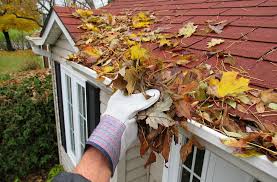
For Albany and Upstate New York homeowners, rainwater harvesting is one of the simplest, most cost-effective ways to make your garden thrive while conserving municipal water. Our region gets consistent precipitation spread across the seasons, and that means your home’s roof and gutters can be turned into a dependable garden irrigation source—especially during those dry late-summer weeks when plants need steady moisture most.
In this guide, you’ll learn how to size, set up, and maintain a rainwater collection system that uses your existing gutters, along with best practices tailored for our snowy winters and leafy falls. You’ll also discover smart maintenance habits that protect your roofline and plumbing while maximizing water quality for your plants. When you’re ready for expert help—from first-flush diverters to winterization—Albany homeowners consistently trust Oleg of United Gutters for precise, reliable workmanship and straight-talk advice.
What Is Rainwater Harvesting?
Definition and Purpose
Rainwater harvesting is the practice of capturing runoff from your roof and storing it for later use—most commonly in rain barrels or larger cisterns. Instead of letting stormwater rush into streets and storm drains, you redirect a portion into a storage container for irrigating garden beds, lawns, and ornamental plantings.
Environmental Benefits
- Conserves potable water: Every gallon you harvest is a gallon you don’t pull from the municipal supply or your well.
- Reduces stormwater runoff: Lower volumes in gutters and downspouts reduce erosion and help protect streams and infrastructure.
- Supports plant health: Rainwater is typically softer and chlorine-free, which many plants prefer over treated tap water.
- Lowers energy use: Municipal water treatment and pumping require energy—harvesting cuts some of that demand.
How Gutters Make Collection Easy
Your gutter system is already the perfect capture device for rainwater. With a few add-ons, you can turn every rainy day into a garden win.
Anatomy of a Gutter System
- Roof surface: Catches rain and directs it to the eaves.
- Gutter channels: Horizontal troughs that carry water to downspouts. Correct pitch (slope) is crucial for smooth flow.
- Downspouts: Vertical pipes that move water from gutters to the ground or into a collection system.
Recommended Add-Ons for Rainwater Harvesting
- Diverter: A device installed in the downspout that redirects water into a barrel or cistern when the container is empty, and bypasses it when full.
- First-flush diverter: Routes the initial runoff (which may contain roof dust, pollen, and debris) away from the barrel to keep stored water cleaner.
- Pre-filter screen: A fine mesh that stops leaves, twigs, and shingle grit before water enters your storage.
- Rain barrel: Typically 50–100 gallons, with a sealed lid, overflow outlet, and spigot. Larger cisterns can be above- or below-ground.
- Overflow routing: A hose or pipe that safely moves excess water away from your foundation when barrels fill.
Requirements for a Functional System
Roof Material Compatibility
- Best choices: Standing seam metal, clay/concrete tile, and most asphalt shingles are commonly used for garden irrigation collection.
- Caution: Avoid using harvested water on edible leaves or fruits if your roof has aging shingles that shed heavy granules or if wood shakes are treated. Use this water for ornamentals or soil-only irrigation (not foliar watering) to be conservative.
Gutter Slope and Size
- Proper pitch: About 1/4 inch drop for every 10 feet of gutter to prevent standing water.
- Downspout capacity: Ensure enough downspouts to handle peak rainfall. Long runs may require multiple downspouts or larger ones.
Cleanliness and Leaf Protection
- Keep channels clear: Clean gutters in spring and late fall (or more often near tall trees). Cleaner gutters mean clearer water in your barrel and fewer clogs.
- Leaf guards: Quality guards reduce debris and maintenance without hindering flow.
- Mesh screens and first-flush: Together, these greatly improve the clarity of harvested water.
If you inherit overflowing downspouts or recurring clogs, a timely cleanout and inspection go a long way. Don’t hesitate to schedule reputable help—many homeowners start by searching for gutter cleaning services near me before their first install to maximize water quality from day one.
Benefits of Using Harvested Rainwater for Your Garden
Cost Savings You Can Measure
One inch of rain on 1,000 square feet of roof yields roughly 623 gallons of water. Multiply that by Albany’s average monthly rainfall, and the savings on summer irrigation can be substantial—especially if you water vegetable beds, perennials, and new trees.
Healthier Plants, Happier Soil
- Soft and oxygenated: Rainwater is typically low in dissolved salts and chlorine, which can benefit soil microbes and sensitive plants.
- Ideal for mulched beds: Gravity-fed irrigation under mulch reduces evaporation loss and keeps plant roots cool and moist.
Environmentally Conscious
- Stormwater management: Barrels and cisterns reduce peak runoff volumes, easing stress on local storm drains.
- Sustainable gardening: Using what falls on your roof is the definition of circular, site-based water stewardship.
Potential Setbacks and How to Prevent Them
Algae Growth
- Keep it dark: Use opaque barrels and minimize light exposure to discourage algae.
- Cool placement: Shade barrels if possible; high temperatures can promote growth.
Mosquitoes
- Seal lids and screens: Ensure every opening is covered with fine mesh.
- Keep water moving: Use barrels with tight-fitting lids and diverters that don’t leave standing pools on top.
Debris and Contamination
- First-flush diverter: Send the initial minutes of rainfall (which carry dust and pollen) away from the barrel.
- Regular cleaning: Empty and rinse barrels at least once per season, more often under heavy pollen.
- Gutter upkeep: A clean gutter is your first filter; clogged gutters can foul collected water.
Seasonal Considerations for NY Homes
Winterizing Your System
- Drain and disconnect: Empty barrels before hard freeze and disconnect hoses/diverters to prevent cracking.
- Store or invert: Flip barrels or store indoors/garage to protect fittings.
- Overflow planning: Ensure winter gutter flow routes water away from foundations after you disconnect barrels.
Snow Loads and Ice
Upstate winters can be tough on gutters. If you’re upgrading or replacing, consider systems that stand up to ice and drifting snow. For material and profile guidance, see this deep dive on the best seamless gutters for snowy climates to avoid midwinter headaches and spring leaks.
When to Search for gutter cleaning services near me for Optimal Harvesting
Timing matters. In Albany and the surrounding region, aim for:
- Early spring: Clear winter debris, check for ice damage, and verify downspout diverters before April showers.
- Mid-late fall: After leaf drop, clean gutters and remove diverters to prep for freeze-thaw cycles.
- After major storms: Inspect immediately following heavy wind or hail events to catch issues before they escalate.
Common Questions Answered
Do I need permits?
Small rain barrel installations rarely require a permit in most Upstate NY jurisdictions, but larger cisterns, hard plumbing, or changes to drainage may. Check your local codes—especially if you plan to tie into irrigation lines or add electrical components like pumps.
Can I drink the water?
No. Rainwater collected from roofs is not considered potable without advanced treatment. Use it for landscape irrigation, compost tea dilution, and tool cleaning—avoid consumption by people and pets.
How often should I clean my gutters?
At least twice a year: spring and late fall. Homes under heavy tree canopy may need quarterly cleanings. Clean gutters prevent overflow, protect fascia, and keep harvested water clearer.
How much water can I collect?
As a rule of thumb, 1 inch of rain on 1,000 square feet of roof yields about 623 gallons. Multiply your roof’s footprint (in square feet) by 0.623 to estimate gallons per inch of rain.
Maintenance Tips for Homeowners
Rainwater harvesting works best when your gutters are sound and your components are inspected regularly. Start with fundamentals and build a schedule you can stick to.
Monthly and Seasonal Checklist
- Spring: Clean gutters, confirm slope, test diverters, and flush first-flush systems.
- Summer: Check screens, tighten barrel lids, and monitor for algae or mosquito activity.
- Fall: Clear leaves, inspect seams and hangers, and prepare for winter disconnects.
- Winter: Keep downspout routes open and confirm snow/ice aren’t stressing hangers or pulling gutters away.
Stay proactive with repairs. Loose hangers, leaking seams, and damaged downspouts waste water and can undermine your foundation. Here’s a helpful overview on why you should never neglect gutter repair—it illustrates how early fixes protect both your home and your harvesting system.
If you spot sagging runs or repeated clogs you can’t safely reach, it’s time to look for gutter cleaning services near me to restore proper flow before peak rainfall.
DIY or Call a Pro? Knowing When to Get Help
Plenty of homeowners install diverters and barrels on their own. If your roofline is single-story, your ladders are stable, and you’re comfortable drilling and sealing fittings, DIY can be straightforward. Call a professional when:
- Heights or access are risky: Two-story eaves, steep grades, and complex rooflines raise safety concerns.
- Your gutters need re-pitching or rehanging: Proper slope is essential to avoid standing water and ensure smooth barrel fill.
- You want a multi-barrel or cistern setup: Series and parallel connections, overflow routing, and pump integration benefit from experienced planning.
- You suspect damage: Rotting fascia, leaking seams, or crushed downspouts should be corrected before you connect a barrel.
For tune-ups and cleanouts—especially at taller eaves—save your weekend and search for trusted gutter cleaning services near me to make sure your system is safe, watertight, and winter-ready.
Helpful Table: Rain Barrel Capacity vs Roof Size
Use this guide to estimate how much storage you may want per inch of rain. Remember: Albany often sees several inches in a month, so plan for overflow routing even if you start small.
| Roof Area (sq ft) | Gallons per 1″ Rain | Typical Barrel Size | Recommended Capacity for 1″ Rain | Suggested Setup |
|---|---|---|---|---|
| 800 | ~498 gal | 50–100 gal | 500+ gal | 5–10 barrels or a 500-gal cistern |
| 1,000 | ~623 gal | 50–100 gal | 600+ gal | 6–12 barrels or a 650-gal cistern |
| 1,500 | ~935 gal | 50–100 gal | 900+ gal | 9–18 barrels or a 1,000-gal cistern |
| 2,000 | ~1,246 gal | 50–100 gal | 1,200+ gal | 12–24 barrels or a 1,250-gal cistern |
Rule of thumb used: 1″ rain × roof sq ft × 0.623 = gallons.
Graph: Seasonal Rainfall in Albany vs Estimated Collection Potential
The graphic below shows average monthly precipitation for Albany and the estimated gallons you could collect from a 1,000 sq ft roof. Use it to plan storage capacity and watering schedules.
Bar heights reflect inches of rain per month and gallons captured for a 1,000 sq ft roof. 1 inch yields ~623 gallons.
Months
Rain (in) / Gallons
Jan
2.9″ (~1,807 gal)
Feb
2.3″ (~1,433 gal)
Mar
3.3″ (~2,056 gal)
Apr
3.0″ (~1,869 gal)
May
3.5″ (~2,181 gal)
Jun
3.9″ (~2,430 gal)
Jul
4.0″ (~2,492 gal)
Aug
3.8″ (~2,367 gal)
Sep
3.6″ (~2,243 gal)
Oct
3.3″ (~2,056 gal)
Nov
3.2″ (~1,994 gal)
Dec
3.0″ (~1,869 gal)
Infographic Suggestion: Step-by-Step Gutter-to-Barrel System
Consider a simple infographic or diagram with these labeled steps:
- Roof & Gutter: Show rain falling onto roof, flowing into a pitched gutter.
- Pre-Filter Screen: Fine mesh at the downspout entry catches leaves and debris.
- First-Flush Diverter: A small vertical pipe that captures the initial, dirtier runoff.
- Downspout Diverter: Auto-switches water into the barrel until full, then sends it back down the downspout.
- Rain Barrel: Sealed lid, screened inlet, brass spigot at the bottom.
- Overflow: Hose routes excess safely away from foundation into a garden bed or splash block.
- Hose/Soaker Line: Connects to barrel spigot for low-pressure watering around the garden.
Design tip: Use arrows and icons for debris, water flow, and overflow safety. Include a winter mode inset showing disconnected hoses and drained barrel.
Putting It All Together: A Simple Installation Plan
- Inspect and clean gutters: Confirm proper slope and reattach loose hangers.
- Choose a barrel location: Level ground near a downspout, slightly elevated on cinder blocks or a stand for better gravity flow.
- Add filtration: Install a screen on the gutter outlet and a first-flush diverter before the barrel inlet.
- Install the diverter: Fit the downspout diverter at the manufacturer’s recommended height.
- Connect overflow: Route to a safe discharge point away from the foundation.
- Test: Use a hose on the roof or wait for the next rain to confirm leak-free connections and proper auto-bypass when full.
Pro Tips for Better Garden Results
- Water early: Morning irrigation reduces evaporation and leaf disease.
- Target the root zone: Soaker hoses or drip lines from your barrel put water where plants need it most.
- Mulch: 2–3 inches of organic mulch cuts evaporation and keeps moisture evenly distributed.
- Use multiple barrels: Connecting in series increases capacity without pumps; keep overflows in mind.
Safety and Quality Notes
- Food safety: Prefer soil-directed watering for edible beds; avoid wetting edible leaves with harvested roof water.
- Materials matter: Choose BPA-free barrels and lead-free fittings where possible.
- Foundation protection: Always ensure overflow moves water away from the house.
Case Example: Sizing for a Typical Albany Home
Say your roof captures 1,200 sq ft over the garage and front gable. Per inch of rain, that’s roughly 1,200 × 0.623 ≈ 748 gallons. Two connected 100-gallon barrels will fill in the first quarter inch of a storm; the rest should safely overflow to a garden bed. If you regularly water perennials and a vegetable patch, consider adding a third barrel or a 300–500 gallon cistern for steadier supply.
Troubleshooting Quick Guide
- Barrel won’t fill: Check for clogs in screens/diverters, verify gutter pitch, confirm the diverter isn’t stuck in bypass mode.
- Barrel overflows prematurely: Ensure the diverter’s fill level matches the barrel height; check for airlock in the barrel if sealed too tightly.
- Cloudy or smelly water: Clean barrel, flush the first-flush chamber, and confirm lids and screens are intact to keep out organic debris.
Long-Term Upgrades
- Pump and filter kit: For drip irrigation, a small pump and inline filter improve pressure and water clarity.
- Smart overflow: Integrate overflow to a bioswale or rain garden to soak stormwater into the landscape.
- Seamless gutter retrofit: Upgrading old, leaky sections can dramatically improve capture and reduce maintenance.
Conclusion: Make Rain Work for Your Albany Garden
Rainwater harvesting is a practical, eco-friendly way to cut water bills, reduce runoff, and grow healthier plants—especially in Albany and Upstate NY, where year-round precipitation can be harnessed with a few smart upgrades. Start with clean, well-pitched gutters, add a diverter and first-flush filter, plan for safe overflow, and you’ll see garden-ready results quickly. For expert setup, winterization, and maintenance advice you can trust, schedule a visit with Oleg of United Gutters today and turn your roof into a reliable water source for seasons to come.
When you’re ready to have someone look at your own situation, our gutter cleaning in Albany, NY page walks through what to expect.
