

5 Gutter Mistakes to Avoid + How Much to Repair Gutters
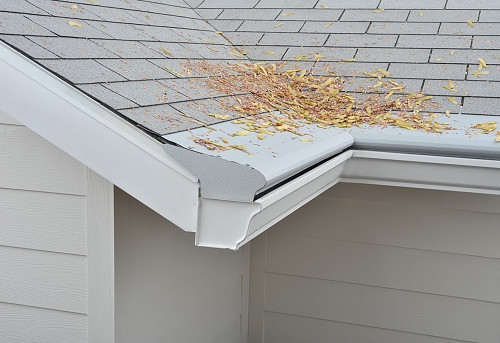
In Albany and across Upstate NY, gutters work overtime: spring downpours, summer thunderstorms, fall leaf-drop, and freeze-thaw cycles in winter all take a toll. A well-maintained system protects your roof, foundation, siding, landscaping, and interior from water intrusion. Neglect, on the other hand, can turn a cheap fix into a pricey structural headache.
Homeowners often ask about costs first, but the truth is that maintenance habits drive the price more than anything else. Fixing issues early keeps repair bills low; letting them linger multiplies the damage. If you want practical, local advice and fair pricing, Oleg of United Gutters has helped thousands of Upstate homeowners make smart, cost-saving decisions.
Why Maintenance Matters: Protect Your Property and Minimize Repair Costs
Your gutters move thousands of gallons of water per storm. When they work, you barely notice them. When they don’t, the damage escalates quickly—and so does the bill. Here’s how basic upkeep protects your wallet:
- Prevents fascia, soffit, and roof rot by keeping water out of the wood around your roofline.
- Stops foundation erosion and basement leaks by directing water away from the house.
- Reduces siding stains, mold growth, and landscaping washouts.
- Decreases the chance of ice dams and winter overflow in our Albany climate.
Typical local repair ranges can vary with height, access, material (aluminum, steel, copper), and how early you catch the issue:
- Routine cleaning: $125–$300 for a typical one- to two-story home (more if steep, tall, or heavily clogged).
- Seal a seam or end-cap leak: $85–$200 per section, depending on access and severity.
- Downspout reattachment or small section replacement: $150–$350.
- Re-pitching sections for proper flow: $200–$600 depending on length and hangers.
- Fascia/soffit repairs from water damage: $300–$1,200+ depending on rot extent and finish work.
- Full gutter replacement (seamless aluminum): commonly $12–$25 per linear foot installed, with premium materials or complex layouts higher.
Curious how much to repair gutters for your specific home? The number depends on condition, materials, and access—but your maintenance habits are what keep that number predictable and manageable.
Mistake #1: Ignoring Small Clogs or Leaks
Small problems rarely stay small in our climate. One drip at a seam or a minor clog at a downspout elbow can quietly send water behind the gutter or over the edge, soaking wood and siding. Once fascia or sheathing gets wet, rot can spread out of sight until you’re replacing lumber, not just resealing a seam.
Why it happens
- “It only drips when it pours.” Many leaks aren’t visible during a light rain.
- Yard looks fine; homeowners assume water is flowing. But it might be pooling at the foundation.
- Tiny twigs and shingle granules settle, clog the outlets, and don’t get noticed from the ground.
What it can cost
- Early fix: reseal joints and clean outlets for a few hundred dollars.
- Delayed fix: fascia/soffit repairs plus re-pitching can push it into four figures.
Pro tip
Do a quick garden-hose test twice a year. Run water in at one end and watch the flow from a ladder at a safe height (or hire a pro). If water hesitates, backs up, or drips from seams, address it now.
Mistake #2: Not Cleaning Gutters Often Enough
Albany and Upstate NY have leaf-heavy fall seasons and lots of spring debris. Even with gutter guards, organic matter accumulates. Overflowing gutters soak siding, bubble paint, and flood planting beds.
Why frequency matters here
- Leaves from maples and oaks drop in layers, especially in October–November.
- Pine needles and helicopter seeds wedge into outlets and hangers.
- Roof granules from winter wear settle in the troughs during spring.
What it can cost
- Routine cleaning once or twice a year: typically $125–$300 per visit for most homes.
- Neglected cleaning: water infiltration leading to exterior repainting, window sill repair, and ground erosion—costs escalate quickly.
Pro tip
In leafy neighborhoods, plan on two cleanings: late fall after most leaves are down, and mid-spring after pollen and seed drop. If you have guards, schedule at least an annual inspection; guards reduce debris but don’t eliminate it.
Mistake #3: DIY Repairs Without a Full Assessment
Many homeowners try to patch a seam or add a splash block and call it good. The risk is missing root causes:
- Improper pitch: Water should drop 1/16–1/8 inch per foot toward downspouts. If not, it stagnates and corrodes sealant.
- Loose or undersized hangers: The gutter can sag, pulling away from fascia during storms or snow loads.
- Undersized downspouts: If your roof area drains to a single 2×3 downspout, it may overwhelm during cloudbursts.
What it can cost
- Spot patch: $85–$200—fine for a simple leak if pitch and supports are sound.
- Full assessment with corrections: may add $200–$600 but prevents recurring call-backs and water damage.
Pro tip
Before sealing a seam, check for pitch, hanger spacing, and downspout capacity. A pressure test with a hose reveals where the water stalls. Fix the underlying issue once so you don’t pay twice.
Mistake #4: Skipping Seasonal Checks (Especially for Albany Winters)
Freeze-thaw cycles are brutal. Meltwater refreezes overnight, expanding in seams and around hangers. Heavy snow loads can flex gutters and loosen spikes. If you skip winter prep and spring recovery checks, tiny issues blossom into big repairs.
Cold-weather risks to watch
- Ice ridges that pry at end caps and mitered corners.
- Downspouts frozen solid—weight and expansion split seams.
- Ice dams at eaves from poor insulation or ventilation, sending water behind gutters.
Why a seasonal rhythm matters
- Pre-winter: Clear debris, check seals and hangers, and confirm downspouts are firmly attached.
- Mid-winter: Visual checks for sagging or ice buildup.
- Early spring: Inspect for pulled fasteners, seam separation, and water stains on fascia.
Not sure whether your system needs a tune-up or a full change after a tough winter? This repair vs replacement guide for Albany homeowners clarifies what to fix now and what to upgrade later.
What it can cost
- Simple winter-related reseals and fastener resets: a few hundred dollars.
- Post-ice-dam fascia replacement and soffit rebuilds: several hundred to a few thousand depending on finish details and paint.
Mistake #5: Choosing Price Over Quality in Materials
Chasing the lowest bid can be expensive long-term. Sectional gutters with thin gauge metals and minimal hangers often leak sooner, sag under snow, and need frequent resealing. In Upstate NY, it pays to choose durable materials and installation methods built for snow, ice, and wind.
What quality looks like
- Seamless aluminum or steel in an appropriate gauge for your roofline.
- Hidden hangers placed closely (often 24 inches on center or tighter) with corrosion-resistant fasteners.
- Properly sized downspouts (often 3×4 on larger roof sections) and strategically placed outlets.
- End caps and miters sealed and mechanically secured.
Where you’ll see savings
- Fewer leaks and service calls over the life of the system.
- Better performance during heavy rain and snow loads.
- Cleaner exterior finishes and less repainting around eaves.
If you’re exploring upgrades, this guide to finding the best seamless gutters near you explains what to look for in materials, installation, and warranties.
Understanding how much to repair gutters Can Save You Money
Knowing the cost drivers helps you choose the right fix at the right time—without overpaying.
Key cost drivers in Upstate NY
- Access and height: Three-story elevations, steep roofs, and limited ladder access take more time and safety setup.
- Extent of damage: Simple reseals versus re-pitching and wood repairs are different projects.
- Material and style: Aluminum is the common, cost-effective choice; steel and copper are higher. Complex rooflines require more corners and labor.
- Downspout configuration: Adding outlets or upsizing downspouts is one of the best performance upgrades and may add modest cost.
- Seasonality: Demand spikes after storms and during peak fall cleanup; scheduling early can keep costs steady.
When replacement is smarter than repairs
Seam fatigue, repeated seam failures, and widespread corrosion are signs that patching will be short-lived. If your gutters are old, undersized, or repeatedly leaking at multiple points, a targeted replacement of the worst runs—or a full seamless installation—can be the more economical path over five to ten years.
Local ballpark examples
- One or two leaking corners and a clogged downspout: $200–$450, including cleaning and resealing.
- Re-pitching a 30–40 ft run and replacing worn hangers: $350–$800.
- Downspout replacement and added outlet for a large roof section: $250–$500.
- Sectional gutter with chronic leaks replaced by seamless aluminum on an average single-story side: $600–$1,200 depending on length and turns.
If you’re actively pricing work and wondering how much to repair gutters on your specific home, a quick on-site assessment is the fastest way to separate “must-do now” from “plan-for-later” and keep your budget under control.
Smart Maintenance Tips to Avoid Costly Repairs
1) Schedule routine cleanings
Set calendar reminders: late fall after the leaves drop, and mid-spring after seeds and pollen. If your property is heavily wooded, consider a third midsummer check.
2) Do visual checks from the ground after big storms
- Look for overflow streaks on siding.
- Check for washouts under downspout outlets.
- Scan for sagging runs or pulled fasteners.
3) Test flow with a hose twice a year
Start at the high end and let water run for a few minutes. Watch for slow drainage, gurgling outlets, or water pooling near seams—these indicate pitch or obstruction issues.
4) Keep splash blocks or extensions in place
Downspouts should discharge at least 4–6 feet away from the foundation. Extensions are inexpensive insurance against basement moisture.
5) Upgrade strategically
- Upsize downspouts on large roof sections to 3×4.
- Add outlets to long runs to reduce volume per outlet.
- Consider leaf protection if frequent cleaning is a safety or access challenge—but still plan annual inspections.
6) Mind winter conditions
Brush off accessible snow loads with a roof rake (from the ground) to reduce weight on gutters. If you notice persistent ice dams, evaluate attic insulation and ventilation with a pro; it’s often a house-wide issue, not just a gutter problem.
How a Local Expert Helps: Honest Pricing and Maintenance-First Service
Working with a reputable local specialist pays off in three ways: a thorough assessment, a clear plan, and realistic pricing. A strong process looks like this:
- Assessment first: Inspect pitch, hangers, seams, outlets, and surrounding roof and fascia. Identify root causes—not just symptoms.
- Prioritized options: Separate safety issues and active leaks from cosmetic concerns. Present repair-now versus upgrade-later paths.
- No-surprise pricing: Provide line-item estimates so you can compare spot-repairs to longer-term solutions.
- Maintenance plan: Recommend cleaning intervals, seasonal checks, and minor preventive tweaks that keep costs low for years.
This maintenance-first mindset is what keeps repair bills predictable and prevents the cycle of quick-fix call-backs. If you’re asking yourself how much to repair gutters this season, an on-site evaluation from a trusted local crew will give you the clarity—and the numbers—you need.
Conclusion: Avoid These Mistakes, Protect Your Home, and Keep Costs Down
Gutter systems are simple, but the stakes are high. Avoiding five common mistakes—ignoring small leaks, skipping cleanings, DIY fixes without assessment, neglecting seasonal checks, and choosing bargain materials—will spare your fascia, foundation, and wallet. Address issues early, and you’ll spend less on emergency repairs and more on smart, lasting improvements.
For an honest, local perspective and no-pressure evaluation, reach out to Oleg of United Gutters. He’ll help you pinpoint what matters now, plan what can wait, and keep your home protected through every Upstate season.
