
11 Signs Your Gutter Needs Repair (Before It Damages Siding or Foundation)
Summary
- Spot 11 early gutter issues that cause damage.
- Learn what happens if you ignore small problems.
- See seasonal patterns for Albany and Upstate NY.
- Get DIY checks, maintenance tips, and when to call.
11 Signs Your Gutter Needs Repair (Before It Damages Siding or Foundation)
Albany weather is hard on gutters. Spring thaws, heavy summer rain, and long freezes test seams, hangers, and downspouts. Small problems grow fast, especially on older homes in Upstate NY. Catch issues early and you avoid rot, mold, and foundation cracks. In this guide, you will learn the top signs your gutter needs repair and what to do next. Keep water moving away from your siding, roof, and basement, without risky ladders or wasted time.
Exploring professional gutter services helps you understand how local weather patterns accelerate wear and where early warning signs often show up. Experienced crews know how freeze–thaw cycles loosen fasteners, how heavy leaf fall clogs elbows and outlets, and how storm runoff tests pitch and drainage. Their insight helps you decide when a quick repair is enough and when a full assessment protects your home better.
Oleg of United Gutters has seen it all from tight city lots in Pine Hills to windy hilltops in Colonie. He recommends quick visual checks after every storm, plus a deeper look each season. You do not need special tools to spot trouble. You need a plan and safe steps. This article shows both. You will learn when DIY makes sense and when to call help, so small leaks do not turn into costly repairs.
Why Early Gutter Repairs Matter
When gutters work, they collect roof runoff and send it to daylight. That protects fascia, siding, windows, and soil. When parts crack or pull loose, water goes where it should not. It seeps behind trim, soaks sheathing, and erodes topsoil. In winter, leak paths freeze and expand. Joints open more. Fixes cost more. Early repairs cost less and take less time. They also keep warranties and insurance claims simple. Document quick fixes, and you build proof that you maintain the home.
What Happens If You Ignore Gutter Problems
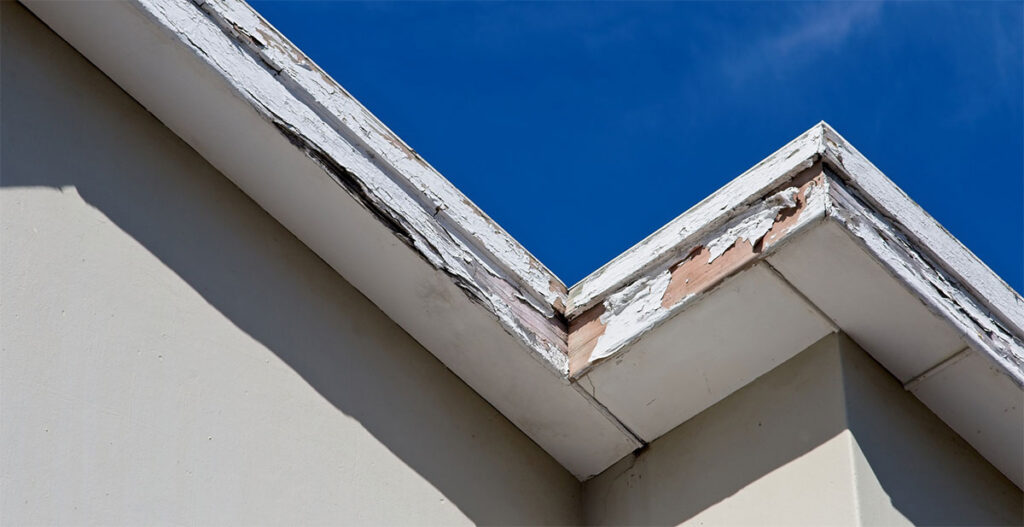
Water is patient. It follows gravity, then finds wood. Ignored leaks stain siding first. Next, they rot trim and window sills. Over time, water loosens paint and feeds mildew. At grade, splashback strips soil and mulch. Soil settlement then shifts walks and steps. Near the foundation, pooling water raises hydrostatic pressure, which pushes moisture through walls. In winter, wet edges freeze, build ice, and pry shingles and drip edge. The final bill can include masonry cracks, interior mold, and sagging eaves.
Gutter Problem vs. Potential Home Damage
Use this quick map to connect common gutter issues with the damage they often cause around Albany homes.
| Gutter Problem | Potential Home Damage |
|---|---|
| Rusted joints | Water intrusion behind siding |
| Loose hangers | Gutters pull from fascia |
| Separated seams | Leaks onto windows and trim |
| Clogged downspout | Overflow at corners and doors |
| Cracked sections | Drips that rot sills |
| Improper pitch | Standing water and mosquito risk |
| Short downspout | Pooling near foundation walls |
| Missing end caps | Stains on siding and walks |
11 Signs Your Gutter Needs Repair
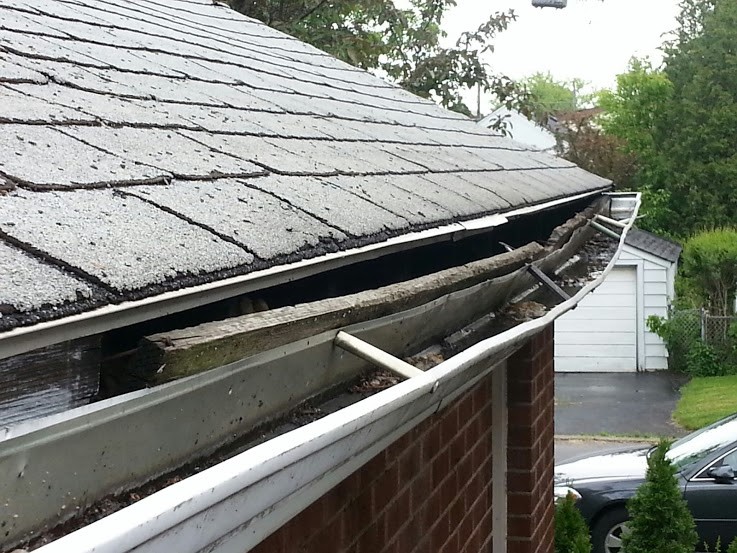
Here is a clear checklist of the most common signs your gutter needs repair, with simple actions you can take today.
- Cracks or splits: Even hairline gaps leak under steady rain. Look at elbows and end caps first. Shine a flashlight from inside during dusk to spot light leaks. Seal small lines with gutter sealant. Replace sections if cracks branch or keep growing quickly.
- Peeling paint near gutters: Paint fails when water lingers. Scan the top two boards under the roofline. If paint bubbles or curls, expect overflow above. Fix the leak source first, then scrape and prime. Fresh paint will not last if runoff still hits.
- Sagging or separated gutters: A sag shows a lost hanger or rotten fascia. Check for gaps at the back edge. If you see daylight, water can flow behind. Refasten with screws into solid wood. Replace fascia if soft, then reset the pitch carefully.
- Pooling water around the foundation: After a storm, walk the perimeter. Puddles mean downspouts are short, clogged, or crushed. Add extenders to move water at least six feet away. Clear the elbow at grade. Regrade soil so it slopes away from walls gently.
- Water marks or mildew on siding: Brown trails or green film tell a story. Follow the stain up to the nearest seam or corner. Look for a leak above. Clean the area with a siding-safe wash. Fix the gutter issue before it returns.
- Rust or corrosion: Orange spots signal long standing water on steel. Probe rusted areas with a pick. If metal flakes, the section is thin and weak. Seal small pits. Replace long rust runs. Consider aluminum or copper in trouble spots to resist wear.
- Screws or fasteners on the ground: Loose hardware means hangers failed. Check the eave line for missing brackets and pulled nails. Replace nails with exterior screws. Add hidden hangers every two feet for support. Tighten into rafters or solid fascia, not punky wood.
- Plants growing in gutters: Seedlings show that debris has been wet for weeks. Soil holds moisture against seams and fasteners. Scoop out the growth, flush the run, and check pitch. Install guards if trees hang over the roof. Plan cleanings to prevent regrowth.
- Overflow during rainstorms: Water should not sheet over the front edge. If it does, the run is clogged or too small. Check first for a leaf dam at the outlet. If clean, consider larger downspouts or an extra one. Verify the gutter pitch.
- Ice dams forming in winter: Icicles look pretty but warn of heat loss and trapped meltwater. Clear roof snow with a rake from the ground. Keep gutters open so meltwater can drain. Add insulation and air sealing at the attic to reduce dams.
- Nesting pests or insects: Birds, bees, or wasps pick clogged gutters. Nests block flow and add weight. Watch for droppings on walks or buzzing near downspouts. Remove nests safely or call a pro. After removal, clean and fix the cause so they leave.
Frequency of Gutter Failure Signs by Season in Upstate NY
Some problems show up more often in certain seasons across Upstate NY.
Spring 35%: Overflow, plant growth, loose hangers
Summer 25%: Heavy storms reveal cracks and seam leaks
Fall 20%: Clogs peak with leaves, pests, and stains
Winter 20%: Ice dams, pulled fasteners, frozen outlets
Albany sees the biggest swings in spring and winter. Freeze thaw cycles open joints, while spring rain exposes weak seams and poor pitch.
Maintenance Tips to Prevent Major Repairs
Simple habits keep gutters clear and stable.
- Clean gutters at least twice a year.
- Trim branches that hang over the roof.
- Flush downspouts with a hose from the ground.
- Add splash blocks or extensions at outlets.
- Use screws instead of nails for hangers.
- Seal small leaks the same day you find them.
For long runs, add a hanger every two feet. Check pitch by watching water flow to the outlet. If water stands after a flush, adjust brackets up or down until the flow moves.
Seasonal Priorities for Albany Homes
Set a seasonal plan that fits local weather. In spring, inspect seams, outlets, and the soil line after snowmelt. In summer, watch for storm damage and clogged outlets after heavy rain. In fall, leaf drop creates fast clogs along tree lines. Choose the right tools for safe, fast work. See our guide to the best tools for gutter cleaning in Latham. If you see water spilling over edges, review this advice on gutter cleaning in Albany for overflowing gutters. In winter, keep roof edges clear and watch for ice along the eaves and valleys. Plan repairs before deep cold, since sealants and patching work best in dry, mild weather.
How to Evaluate Your Gutters
Use this 10 minute walkaround to spot problems early.
- Stand back and scan eaves for sags or gaps.
- Look for stains on siding under corners and joints.
- Check ground for screws, pebbles of sealant, or flakes.
- During rain, view overflow or drips from a window.
- After rain, mark puddles within six feet of walls.
- Test downspouts by running a hose for two minutes.
- Push lightly on fascia to find soft or hollow spots.
- Photograph trouble areas to track change over time.
Score your findings. Zero issues means monitor. One or two minor items means plan repair this month. More than that means schedule service soon. If you are unsure, share photos with a trusted pro for fast guidance.
When to Call a Professional
Q: When should I stop DIY and call help? A: Call when ladders feel unsafe, when sections are high or steep, or when leaks return after a patch. Call if wood under the gutter feels soft.
Q: What can a pro do faster? A: Pros set safe access, measure pitch, reseal long seams, and replace rotten fascia. They can also diagnose roof edge issues that look like gutter problems.
Q: How do I choose? A: Ask for photos, a written scope, and a warranty. Ask how they prevent future issues and confirm they check for the main signs your gutter needs repair.
FAQ Section
Q: What’s the average cost of gutter repair? A: In the Capital Region, small fixes like resealing a seam or resetting a few hangers often run 150 to 300 dollars. Replacing short sections can land between 300 and 600. Larger jobs that include fascia repair or multiple corners may reach 800 to 1,500. Two-story access, steep roofs, or complex layouts add cost. Ask for photos and a written summary so you see what you are paying for.
Q: How long should repaired gutters last? A: A clean, well pitched aluminum gutter can last 20 to 30 years. Quality repairs should carry you several seasons at minimum. Sealed seams often last three to five years. New hangers or screws can last a decade or more. Longevity depends on tree cover, roof size, and snow load. Keep them clean and well supported to extend life.
Q: Is it safe to delay gutter repairs? A: Short delays are sometimes fine in dry spells. If you see stains, puddles, or sagging, act soon. Water damage compounds with time. In winter, small leaks can become ice dams that pull gutters loose. In heavy rain seasons, a single storm can force water into walls. If safety is a concern, schedule a pro rather than pushing risky ladder work.
Q: What’s the difference between cleaning and repairs? A: Cleaning removes leaves, grit, and blockages so water can flow. Repairs fix the system so it stays attached, sealed, and pitched. Many calls start as cleaning, then add small fixes like resealing outlets or replacing a hanger. A good inspection will note both needs so you can choose the right scope and budget.
Conclusion
Spotting gutter trouble early protects your siding, roof edge, and foundation. Small leaks, loose hangers, and clogs always get worse with time. A few simple checks after storms and at each season change will catch problems while fixes are quick and affordable. Use the checklist above to look for cracks, stains, sagging, rust, and puddles. Watch how water moves in a downpour. Note anything that seems off, then fix the source, not just the symptom.
Make a plan that fits Albany weather. In spring, test flow and look for winter damage. In summer, check after big storms. In fall, stay ahead of leaf buildup. In winter, keep edges clear and control ice. The graph shows when issues rise, so you can time work for the best result. If you follow these steps, you will avoid the big bills that come from hidden leaks.
Some repairs are ideal for DIY. Others call for safe access, solid hardware, and seasoned judgment. If you are unsure, ask for photos and a clear scope. A trusted local pro can confirm the main signs your gutter needs repair and help you pick the right fix.
Ready for eyes on your home or a second opinion in the Capital Region? Reach out to United Gutters for a prompt inspection and practical options. Take fifteen minutes this week to walk your property. A short check now can prevent rot, pests, ice problems, and foundation headaches later.